
xMEMS Raises $21 Million Series D to Redefine the Future of Audio with Solid-State Speaker Technology
November 6, 2025
by
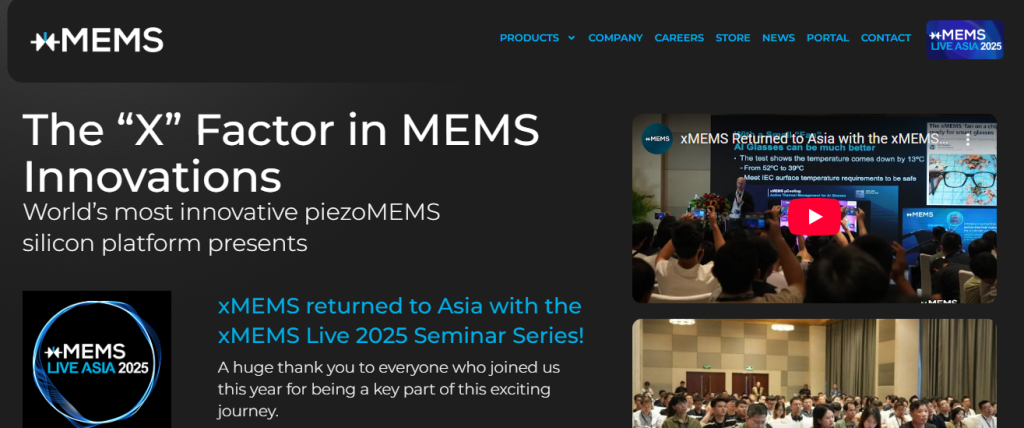
xMEMS has secured $21,000,000 in Series D funding, backed by Boardman Bay Capital Management, Cloudview Capital, CDIB-TEN Capital, Harbinger Venture Capital, SIG Asia Investments, and additional strategic investors. Founded by Joseph Jiang, xMEMS is replacing one of the oldest mechanical components in consumer electronics - the traditional speaker driver - with the world’s first solid-state speaker technology. Instead of a physical coil-and-magnet system pushing air, xMEMS uses silicon microelectromechanical systems (MEMS) to produce sound with micrometer-level precision. The result is unmatched clarity, speed, and detail in audio performance. The company is eliminating the moving components that define 100-year-old speaker architecture and replacing them with chip-based silicon - the same kind of leap the industry saw when film cameras became digital. xMEMS is not improving audio. It is reinventing how sound is created at the hardware level.
Reframing Audio: Not “Better Speakers” - but “A New Audio Engine”
Traditional speakers rely on bulky, physical parts: coils, magnets, diaphragms, glue, multiple plastic assemblies, and unpredictable mechanical tolerances. xMEMS eliminates all of that. A single semiconductor chip is both the speaker and the actuator. Manufacturing becomes predictable, audio becomes consistent, and industrial design becomes dramatically slimmer. In an era where wearables, AR glasses, VR devices, and ultra-compact audio products demand thinner, lighter, more power-efficient components, xMEMS shifts the conversation away from tweaking sound quality to redefining what is physically possible. Solid-state audio isn’t a feature upgrade - it’s a new category.
Infrastructure Over Components: xMEMS Becomes the Silicon Standard for Next-Gen Audio Devices
xMEMS positions itself not as a speaker supplier, but as the foundational audio silicon layer for hardware companies building the next wave of hearables and spatial computing devices. Instead of custom tuning mechanical parts for each product, brands can design around a consistent, precision-manufactured silicon chip. This reduces supply chain risk, increases manufacturing speed, cuts waste, and ensures identical audio performance across every unit. Traditional speaker manufacturing is artisanal. Solid-state audio is automated. When the “speaker” becomes a semiconductor chip, the product roadmap changes. Audio stops being handcrafted - and becomes industrialized.
Category Winners Don’t Compete on Performance - They Compete on inevitability
Here’s the play founders will take notes on: xMEMS didn’t try to outperform mechanical speakers at their own game. They reframed the game entirely. Instead of asking “How do we make drivers sound better?” xMEMS asked, “Why are audio companies still assembling speakers like it's 1924?” This is the type of thinking that wins categories. Industries don’t shift when a product gets better - they shift when a product becomes inevitable. When production becomes cheaper, components become smaller, and performance becomes consistent, no hardware executive will choose the old way. Innovation isn’t about being better than incumbents - it’s about making them irrelevant.
Investor Alignment: They’re Not Betting on an Audio Company - They’re Betting on a Platform
Boardman Bay, Cloudview Capital, and SIG Asia Investments understand something most people miss: solid-state audio isn’t a niche upgrade. It unlocks entire product categories. When speakers become chips, devices can shrink, designs become minimal, and engineering complexity collapses. This positions xMEMS not as an audio accessory supplier, but as the silicon enabler of future consumer devices. Investors aren’t chasing headphones. They’re backing the semiconductor layer powering the future of audio-enabled hardware.
A Market Hungry for Smaller, Smarter, Ultra-Premium Audio
The shift toward wearables and spatial computing is driving unprecedented demand for audio innovation:
- The hearables market (earbuds, smart hearing devices, health-integrated audio) is projected to exceed $180 billion by 2030.
- Global shipments of true wireless earbuds continue to grow double digits YOY, even as smartphone sales slow.
- Meta, Apple, Samsung, and Sony are all doubling down on spatial and immersive audio experiences across VR/AR ecosystems.
- Industry reports estimate that up to 60% of future hearing-assistive devices will be consumer-first, not medical-first.
Yet, audio hardware hasn’t fundamentally changed in more than a century. Mechanical diaphragms simply can’t produce fast enough transient response to deliver true spatial sound. Solid-state drivers can. AirPods, AR glasses, VR headsets, hearing-enhancement earbuds - they all hit a limit with traditional drivers. xMEMS removes those limits. The moment devices can get thinner without sacrificing sound, the market shifts overnight.
Why xMEMS Wins: Precision Beats Power
Mechanical drivers generate sound through displacement. xMEMS generates sound through controlled pressure modulation at the silicon surface level - a fundamentally faster and more precise method. This means:
- Near-zero distortion
- Ultra-fast transient response
- Greater detail in highs and mids
- Reduced power draw for longer battery life
Traditional audio companies will keep improving power. xMEMS improves precision. When the audio engine itself changes, the user experience changes with it. Suddenly, music sounds cleaner. Voice clarity becomes crisp. Spatial audio becomes believable instead of artificial. xMEMS isn’t fighting to be better audio - it’s enabling true audio realism.
What’s Next for xMEMS
With $21M in fresh capital, xMEMS will expand production capacity, deepen semiconductor foundry partnerships, and accelerate design integrations with major consumer electronics brands. The company’s roadmap includes:
- Higher-volume MEMS speaker production at lower cost
- New form factors for ultra-thin wearables
- Advanced tuning frameworks for spatial audio systems
- Custom silicon co-development with OEM partners
The endgame is clear: the company wants every future earbuds, in-ear assistive device, or compact speaker system to run on solid-state drivers. xMEMS isn’t iterating audio. It’s leading the transition from mechanical to digital sound creation.
Final Thoughts
Mechanical speakers defined the last century.
Solid-state will define the next one.
xMEMS represents the moment audio engineering catches up with semiconductor technology. Devices shrink. Sound improves. Manufacturing becomes scalable. The companies that adopt solid-state first will define the new benchmark for audio-driven hardware experiences.
xMEMS isn’t here to compete in the audio industry.
It’s here to replace the foundation the industry was built on.
Related Articles

Latest Rounds
November 30, 2025 by
EcoG Raises $18.57M to Accelerate the Operating System for the Global EV Charging Economy
EcoG has raised $18,573,280 in new funding, led by GET Fund with participation from Extantia Capital and Bayern Kapital. Founded...
Read More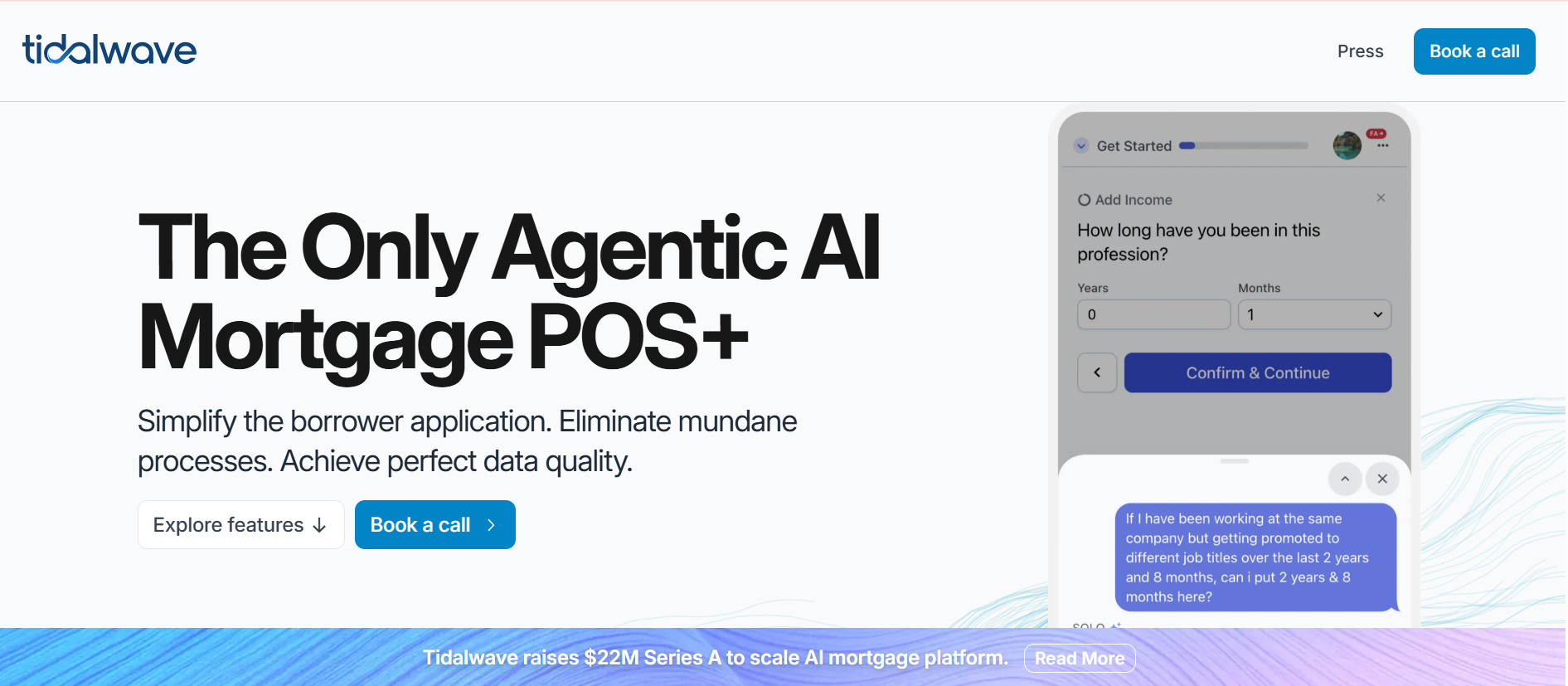
Latest Rounds
November 30, 2025 by
Tidalwave Raises $22M Series A to Build the Infrastructure Layer Modern Homebuilders Need for AI-Driven Operations
Tidalwave has raised $22,000,000 in their Series A, led by Permanent Capital with participation from D.R. Horton, Inc. and Engineering...
Read More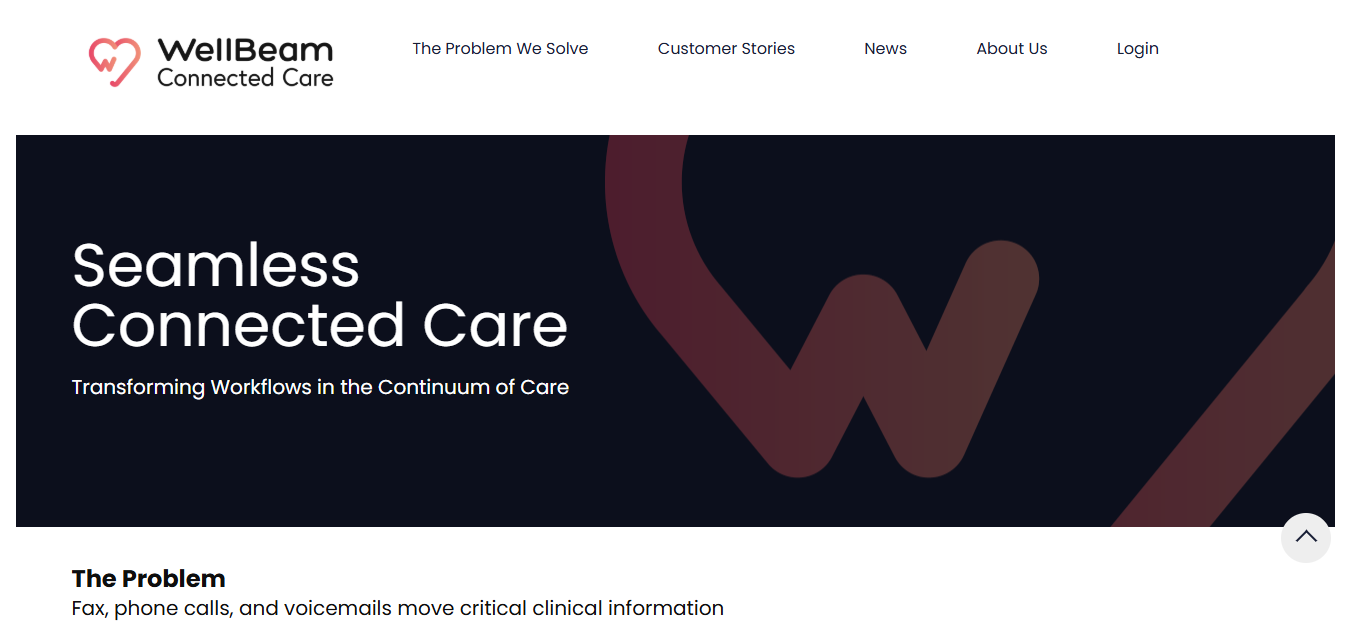
Latest Rounds
November 30, 2025 by 
WellBeam Raises $10M to Unify Care Coordination Across the Entire Patient Journey
WellBeam Inc. has secured $10 million in Series A funding, marking a major step toward fixing one of the most...
Read More
Latest Rounds
November 30, 2025 by
Automat Raises $15.5M to Redefine Industrial Automation With Adaptive AI
Automat has secured $15.5 million in Series A funding, a major milestone for a company working to radically transform how...
Read More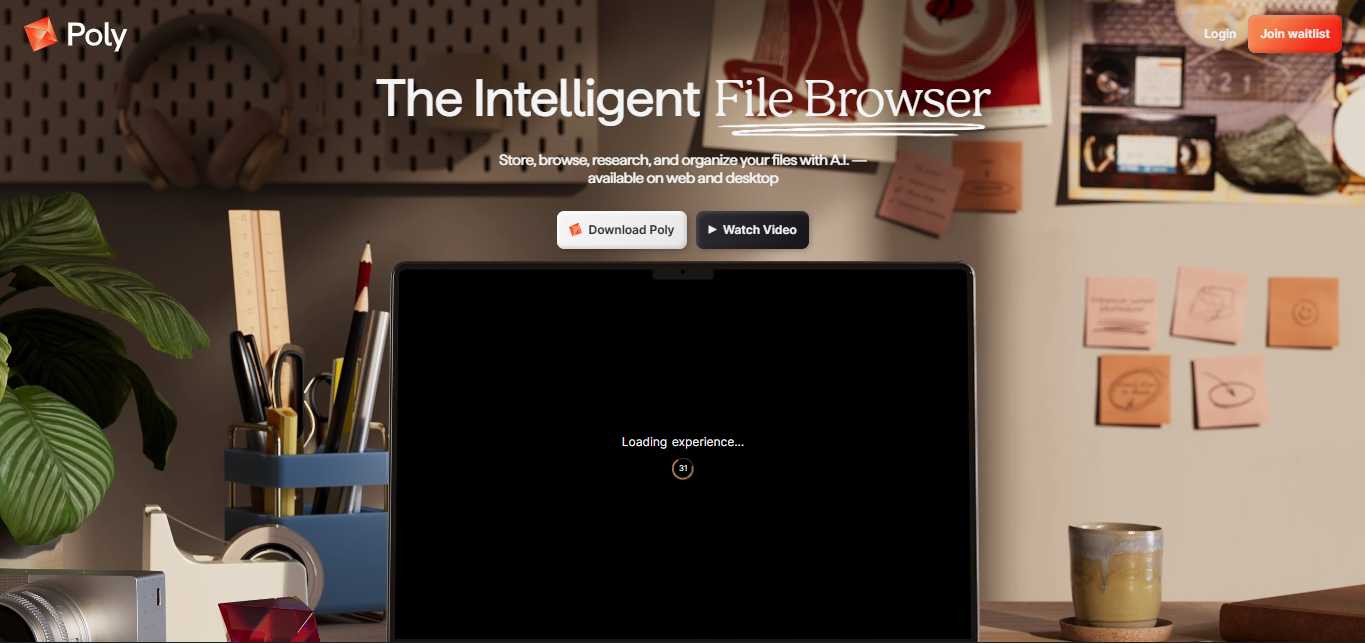
Latest Rounds
November 30, 2025 by
Poly Raises $8M to Reinvent How People Organize, Search, and Think With Their Files
Poly (US) has closed an $8,000,000 Seed round, marking a decisive moment for one of the most ambitious productivity startups...
Read More
Latest Rounds
November 30, 2025 by
Voio Raises $8.6M to Power AI That Understands Patients as Individuals, Not Data Points
Voio has secured $8.6 million in Seed funding, marking a major step forward for a company working to bring true...
Read More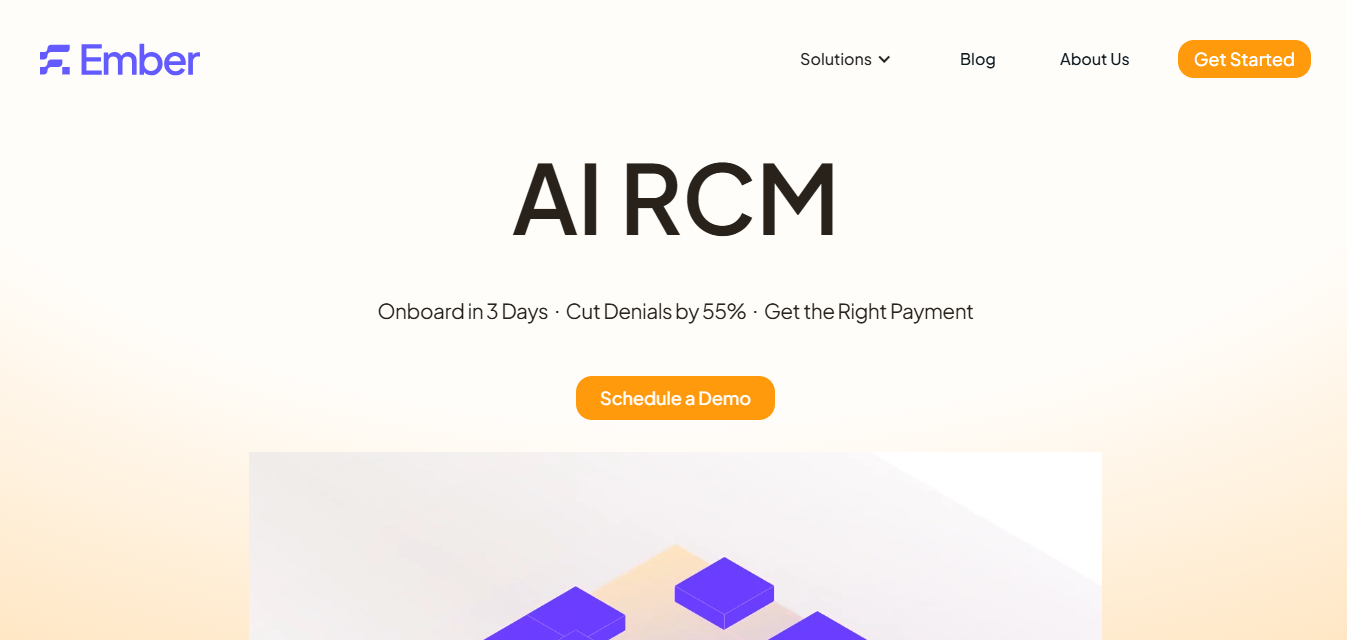
Latest Rounds
November 30, 2025 by
Ember Raises $4.3M to Reinvent AI-Driven Revenue Cycle Management for Healthcare Providers
Ember has secured $4.3 million in Seed funding, marking a major step toward transforming one of healthcare’s most expensive, error-prone,...
Read More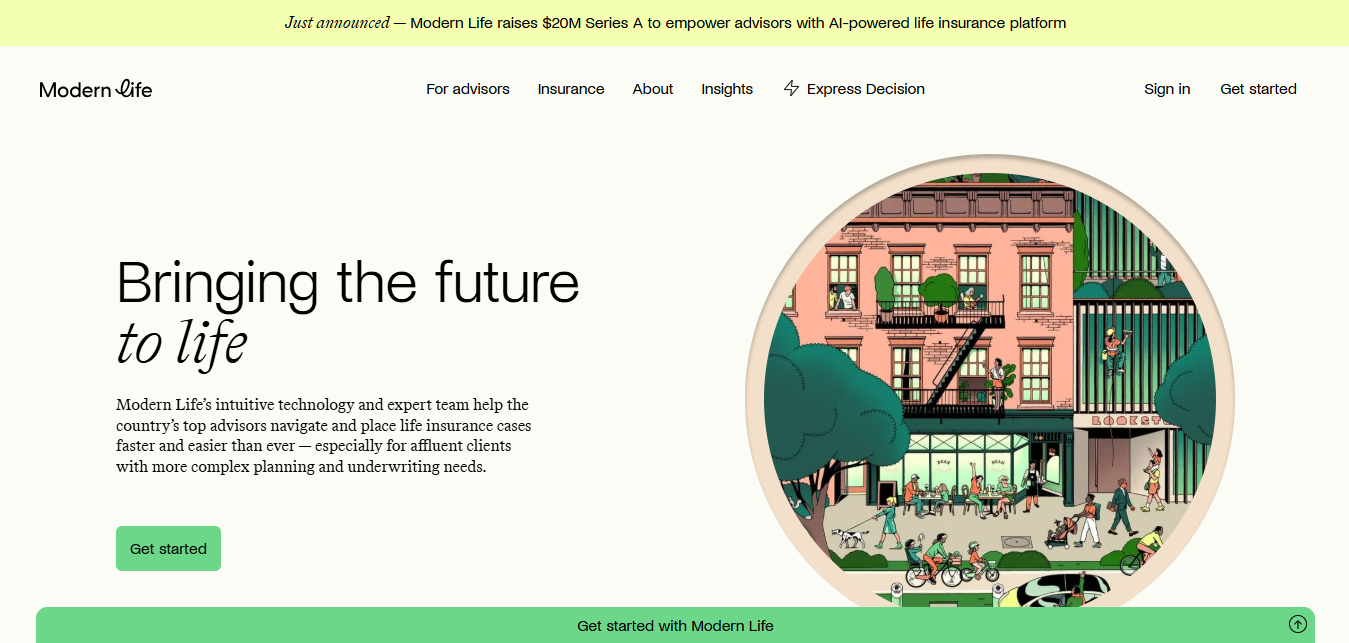
Latest Rounds
November 30, 2025 by
Modern Life Raises $20M to Redefine Life Insurance Infrastructure With AI-Powered Tools for Advisors
Modern Life has secured $20 million in new funding, marking another major milestone in its mission to rebuild the fractured,...
Read More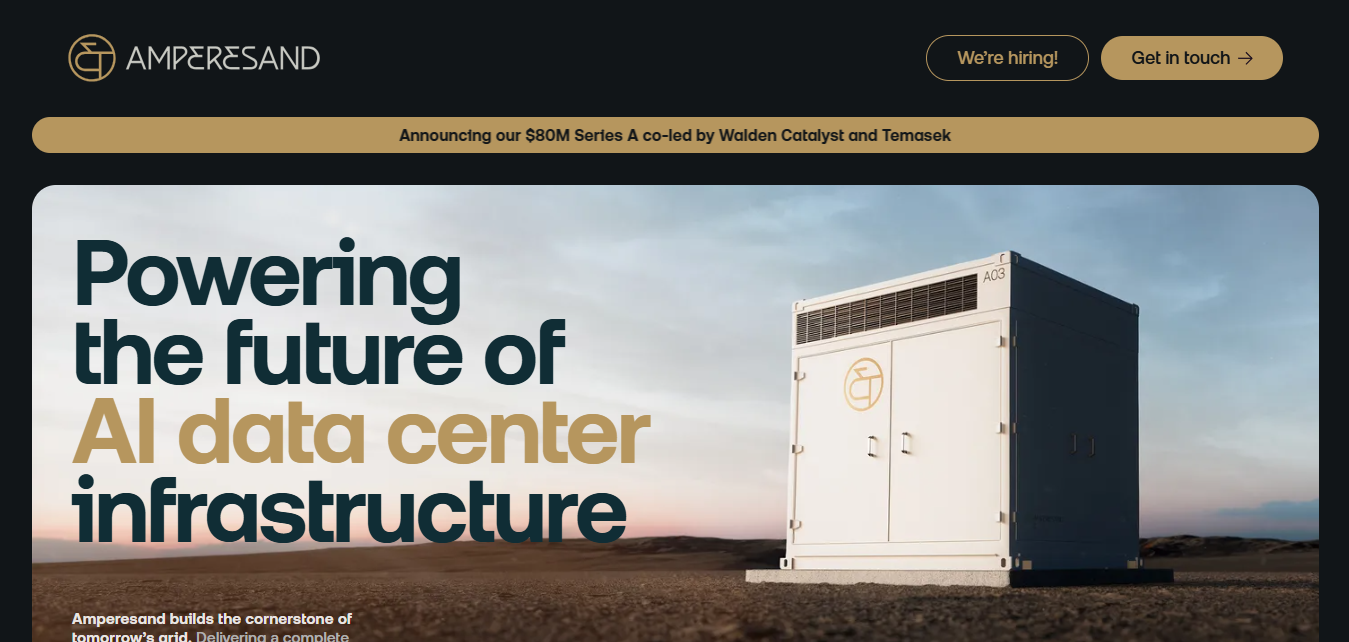
Latest Rounds
November 30, 2025 by
Ampersand Raises $80M to Power the Next Era of High-Performance Materials
Ampersand has secured a major $80 million Series A round, positioning itself as one of the most significant deep-tech companies...
Read More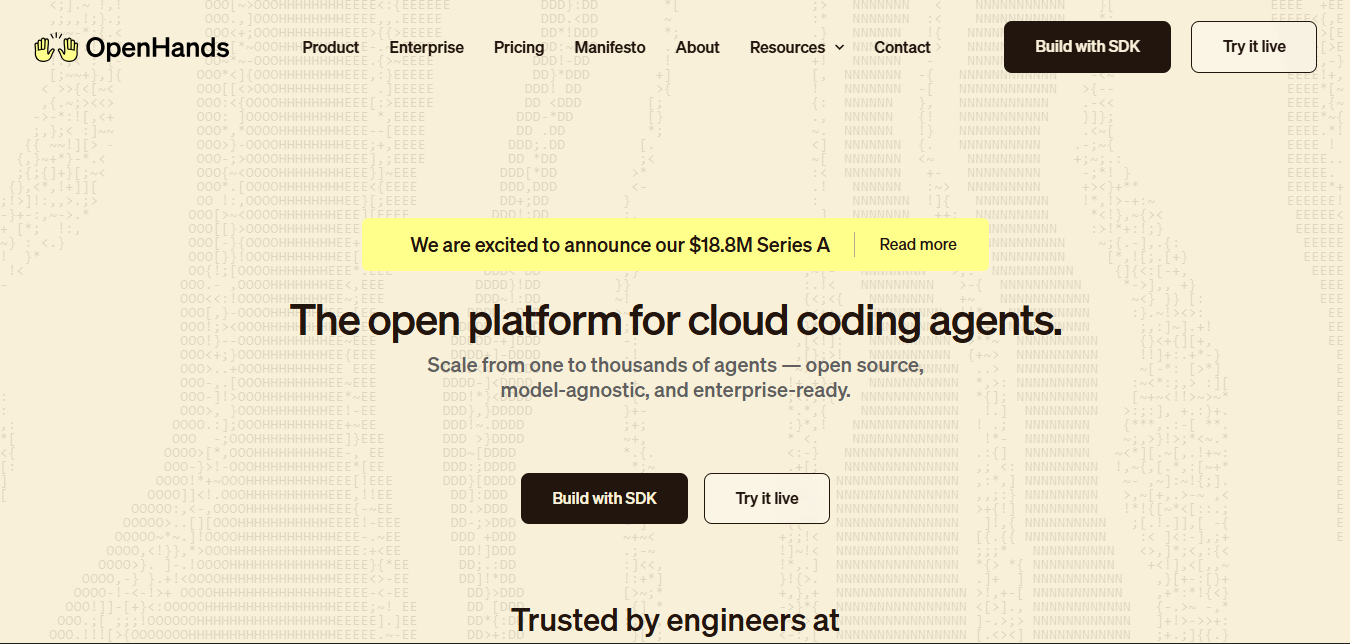
Latest Rounds
November 30, 2025 by
OpenHands Raises $18.8M to Bring Autonomous Coding Agents Into the Enterprise
OpenHands has raised $18.8 million in Series A funding, marking one of the strongest signals yet that autonomous software development...
Read More