
Vend Park Raises $17.5M to Transform Parking Assets Into Revenue-Generating Digital Infrastructure
November 23, 2025
by
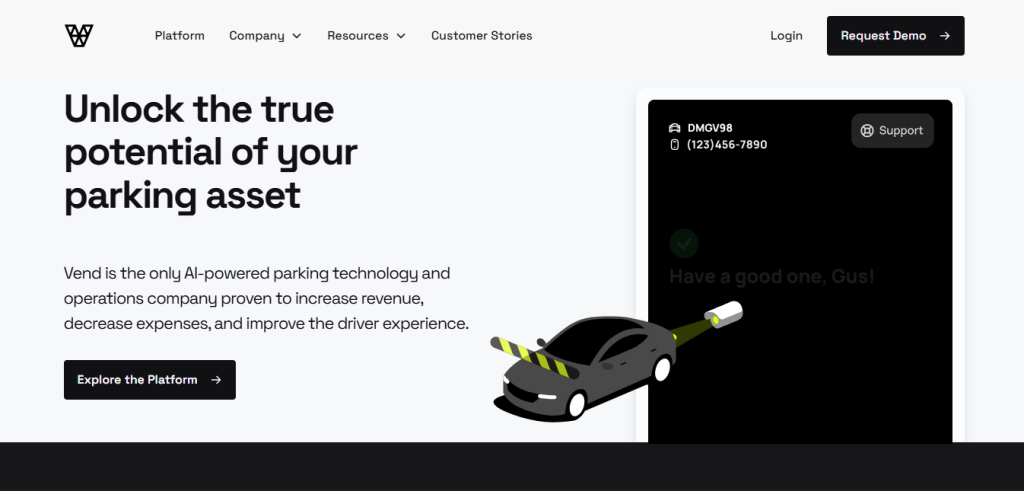
Vend Park has raised $17.5 million in Series A funding, led by Blue Heron Capital, with participation from Nuveen Real Asset Ventures, Communitas Capital, Derive Ventures, Floating Point, PagsGroup, Crossbeam, and others. The funding will accelerate Vend Park’s mission to turn parking spaces - traditionally passive real estate - into dynamic, revenue-optimized digital assets powered by AI-driven operations.
Founded by Michael Miele, Vend Park positions itself as the first fully end-to-end platform that allows property owners to manage, price, monetize, and operate parking assets without fragmented systems or third-party operators. Instead of siloed kiosks, outdated payment systems, and flat-pricing models, Vend Park uses software and live data to increase yield, automate enforcement, improve driver convenience, and reduce operating overhead.
In an industry often seen as legacy infrastructure, Vend Park is treating parking not as a static amenity - but as a controllable digital revenue stream.
Why Parking Is Ripe for Disruption
Parking may not sound like a high-growth market, but the economics tell a different story:
- The global parking management industry is projected to exceed $8.7 billion by 2028, growing at ~10% CAGR.
- U.S. parking assets represent over $130 billion in property value, much of which remains under-optimized.
- Cities lose an estimated $7 billion annually in uncollected parking revenue due to outdated systems.
- More than 60% of private parking spaces sit underutilized during peak hours.
The problem isn’t demand - it's inefficiency. Most property owners either outsource operations to third-party firms (losing margin) or manage manually using disjointed hardware, static price schedules, and outdated enforcement.
Vend Park replaces operational overhead with software-led monetization.
How Vend Park Works
Vend Park blends payment infrastructure, dynamic pricing, enforcement, analytics, access control, and driver engagement into a single platform - streamlining what historically required multiple vendors.
Their system enables:
- Digital payments and gate-free access
- Automated yield optimization based on demand patterns
- Real-time occupancy forecasting
- Enforcement and policy rules without manual checks
- Centralized oversight across multiple sites
Rather than charging drivers more, Vend Park increases revenue by reducing leakage, maximizing capacity usage, and matching pricing to real conditions.
This positions the company closer to platforms like Airbnb or Uber - not traditional parking vendors - because it increases asset utilization rather than just facilitating transactions.
The Strategic Advantage: Control of the Infrastructure Layer
Here’s the deeper strategic layer founders should pay attention to:
Parking isn’t just real estate - it’s mobility infrastructure. Whoever controls the digital operating layer controls future monetization.
Once parking assets shift from physical lots to software-defined revenue systems, new business models become possible:
- Cross-fleet partnerships with delivery, logistics, and rideshare companies
- EV charging monetization layered onto existing spaces
- Dynamic surge pricing tied to events and traffic flow
- Data-driven municipal integrations
- Autonomous vehicle parking orchestration
This is why software is such a powerful wedge. When a parking platform becomes the system of record, switching becomes expensive and operator lock-in increases dramatically. Vend Park isn't just improving margins - it’s defining how property owners interact with transportation ecosystems.
When software becomes infrastructure, adoption compounds.
Why Investors Are Betting Big Now
Three macro trends are converging to make parking an investable software category:
- Urban mobility demand is surging.
Cities are seeing record congestion, higher commercial fleet density, and increased friction for short-term parking. - EV adoption is reshaping physical infrastructure.
Charging networks require managed parking as a foundational layer. - Property owners need new revenue levers.
Commercial real estate vacancies have risen sharply, pushing landlords to monetize underutilized space.
In other words, parking lots are no longer just parking lots - they are potential logistics hubs, charging zones, transit nodes, and asset-backed revenue engines.
What Comes Next for Vend Park
With new capital, the company is expected to expand in three strategic directions:
- Geographic expansion across dense metro markets where utilization gaps cost millions.
- AI-driven yield models that dynamically adjust pricing, time restrictions, and reservation windows based on traffic patterns, events, and weather.
- Partnerships across EV infrastructure, fleet services, and urban logistics - positioning parking as a critical node in transportation networks.
Long-term, Vend Park aims to build the default operating system for parking assets globally: software that governs who parks, when they park, how much they pay, and how properties extract value from space.
Related Articles

Latest Rounds
November 30, 2025 by 
EcoG Raises $18.57M to Accelerate the Operating System for the Global EV Charging Economy
EcoG has raised $18,573,280 in new funding, led by GET Fund with participation from Extantia Capital and Bayern Kapital. Founded...
Read More
Latest Rounds
November 30, 2025 by
Tidalwave Raises $22M Series A to Build the Infrastructure Layer Modern Homebuilders Need for AI-Driven Operations
Tidalwave has raised $22,000,000 in their Series A, led by Permanent Capital with participation from D.R. Horton, Inc. and Engineering...
Read More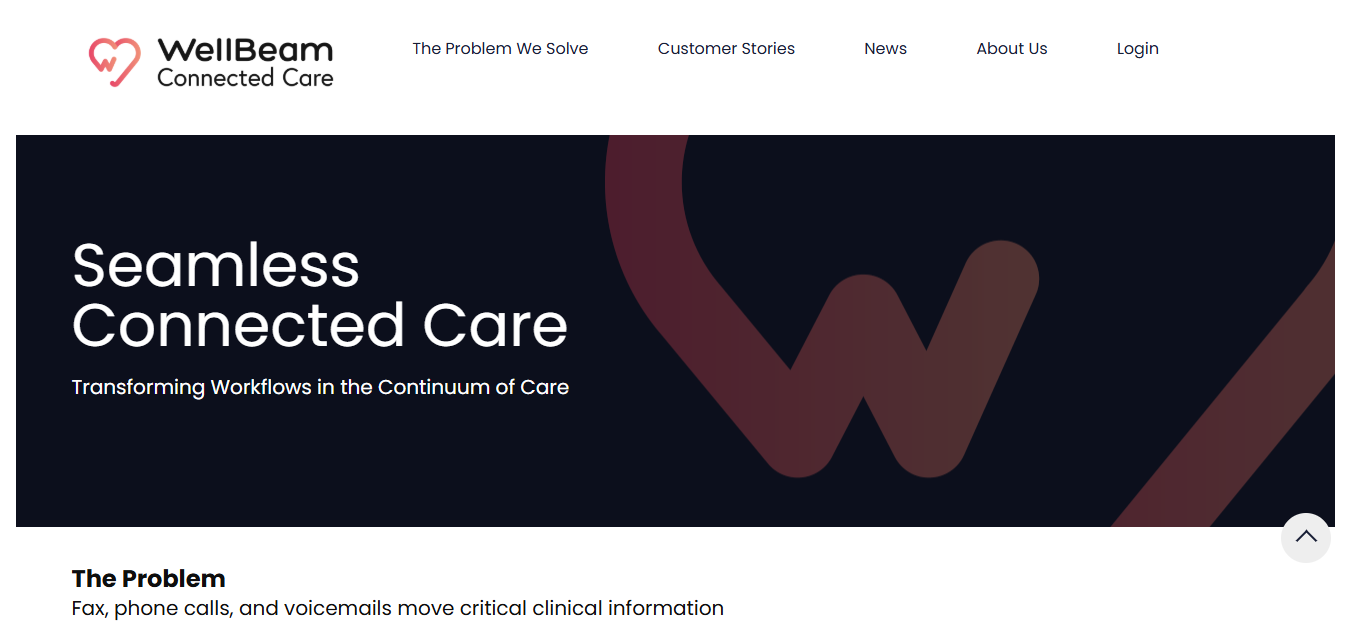
Latest Rounds
November 30, 2025 by
WellBeam Raises $10M to Unify Care Coordination Across the Entire Patient Journey
WellBeam Inc. has secured $10 million in Series A funding, marking a major step toward fixing one of the most...
Read More
Latest Rounds
November 30, 2025 by
Automat Raises $15.5M to Redefine Industrial Automation With Adaptive AI
Automat has secured $15.5 million in Series A funding, a major milestone for a company working to radically transform how...
Read More
Latest Rounds
November 30, 2025 by
Poly Raises $8M to Reinvent How People Organize, Search, and Think With Their Files
Poly (US) has closed an $8,000,000 Seed round, marking a decisive moment for one of the most ambitious productivity startups...
Read More
Latest Rounds
November 30, 2025 by
Voio Raises $8.6M to Power AI That Understands Patients as Individuals, Not Data Points
Voio has secured $8.6 million in Seed funding, marking a major step forward for a company working to bring true...
Read More
Latest Rounds
November 30, 2025 by
Ember Raises $4.3M to Reinvent AI-Driven Revenue Cycle Management for Healthcare Providers
Ember has secured $4.3 million in Seed funding, marking a major step toward transforming one of healthcare’s most expensive, error-prone,...
Read More
Latest Rounds
November 30, 2025 by
Modern Life Raises $20M to Redefine Life Insurance Infrastructure With AI-Powered Tools for Advisors
Modern Life has secured $20 million in new funding, marking another major milestone in its mission to rebuild the fractured,...
Read More
Latest Rounds
November 30, 2025 by
Ampersand Raises $80M to Power the Next Era of High-Performance Materials
Ampersand has secured a major $80 million Series A round, positioning itself as one of the most significant deep-tech companies...
Read More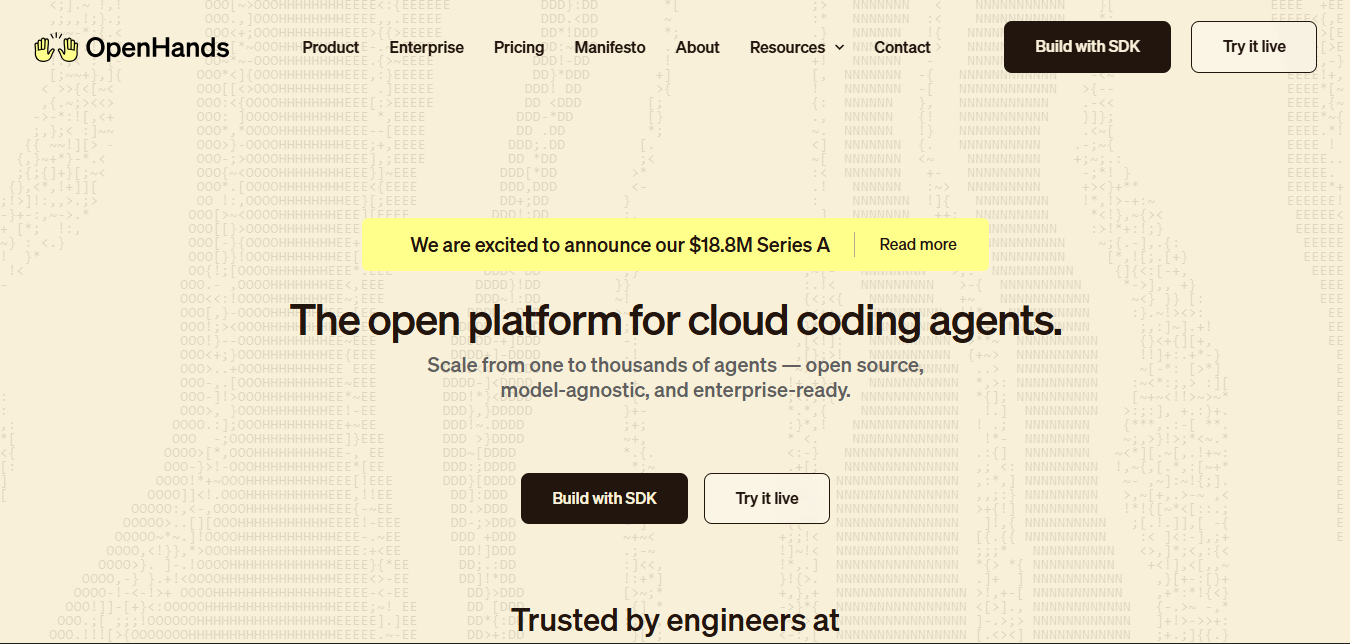
Latest Rounds
November 30, 2025 by
OpenHands Raises $18.8M to Bring Autonomous Coding Agents Into the Enterprise
OpenHands has raised $18.8 million in Series A funding, marking one of the strongest signals yet that autonomous software development...
Read More