
Kaizen Labs Raises $12M to Modernize Software Infrastructure for U.S. Public Services
November 23, 2025
by
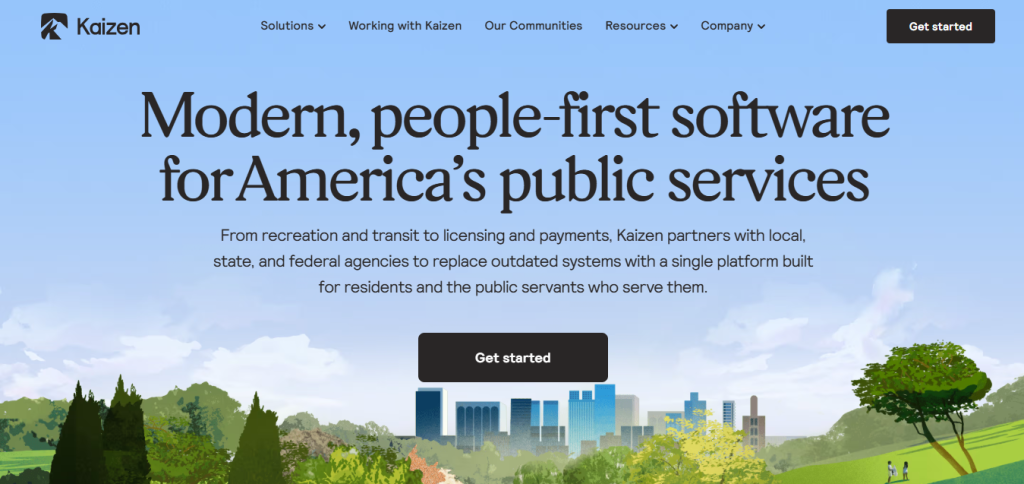
Kaizen Labs has raised $12,000,000 in Series A funding to transform how governments operate mission-critical public service systems. Led by New Enterprise Associates (NEA) with participation from 776, Accel, Andreessen Horowitz, and Carpenter Capital, the company - founded by Nikhil Reddy and KJ Shah - is building purpose-built software that replaces outdated government platforms with modern, human-centered tools.
Instead of retrofitting private-sector SaaS products for public needs, Kaizen Labs designs systems specifically for regulatory workflows, licensing, permits, payments, recreation management, and citizen engagement. The result is software aligned with bureaucratic processes rather than software that forces them to adapt.
The Problem: Government Software Is Decades Behind
Most government systems still run on legacy software, outdated databases, and fragmented manual workflows. These systems weren’t built for digital experience, and agencies often rely on third-party vendors that customize old codebases rather than rebuilding from first principles.
The consequences are widespread:
- Long processing and approval times
- High operational cost per transaction
- Limited accessibility for residents
- Fragmented data siloed across departments
Government platforms aren’t just old - they actively limit service quality.
This is becoming unsustainable. Over 60% of state IT systems are more than 10 years old, and many still rely on legacy COBOL or on-premises infrastructure. Meanwhile, digital service expectations have risen sharply, with over 70% of citizens preferring to access government services online.
Kaizen Labs is positioning itself to close that gap by upgrading how government software is designed, deployed, and integrated.
The Insight: Owning the Operating Layer
Here’s where the real leverage appears for founders watching gov-tech:
Once software becomes a government’s system of record, the relationship flips - agencies rely on the vendor, not the other way around.
Switching costs are enormous:
- Historical records are locked inside structured workflows
- Compliance reporting depends on platform integrity
- Staff processes become standardized around the tool
When a vendor becomes infrastructure, contracts extend, expansion accelerates, and margins improve. Land one agency? You’re proving a blueprint. Land a jurisdiction? You’re building a network. The stickiness isn’t a side-effect - it’s the business model.
That is the milestone Kaizen Labs is pursuing: not software adoption, but institutional dependency.
Founders in every vertical should pay attention. The future category leaders won’t be the apps users tap daily; they will be the platforms institutions cannot function without.
Why the Market Is Shifting Now
Several industry forces are converging:
- Digital transformation in U.S. public services is growing at ~18% CAGR through 2030, outpacing general SaaS adoption
- Federal and state stimulus programs are unlocking billions for modernization initiatives
- Public workforce shortages are pushing agencies to automate casework and workflows
- Citizens expect UX and responsiveness comparable to private-sector platforms
The U.S. alone spends over $120 billion annually on government IT, yet much of that spend goes toward system maintenance rather than innovation. As budgets shift toward modernization and compliance, platforms built natively for government workflows gain strategic advantage.
How Kaizen Labs Differentiates
Kaizen Labs builds software directly tailored to public operations rather than adapting corporate tools. Its platform supports:
- Licensing, permits, and application workflows
- Payments and compliance management
- Parks and recreation system modernization
- Resident service dashboards and communication tools
What makes the model powerful is not just functionality - it’s fit. Government workflows are rigid, regulated, and hierarchical, and generic SaaS often breaks when mapped onto public systems. Kaizen Labs builds around those constraints instead of fighting them.
This also enables long-term system adoption. When software fits the way agencies operate, migration friction drops and change management speeds up.
Execution Is the Real Unlock
Government tech isn’t just about digital portals - it’s about reducing operational friction across agencies, staff, and residents.
Here’s where the strategic advantage emerges:
Once a platform becomes the authoritative system of record, it becomes the infrastructure that future public services rely on.
Agencies rarely switch systems once they've standardized on a platform because historical records, compliance logs, and operational workflows become tied to it. That creates durable retention and high contract longevity.
Kaizen Labs isn't competing to build apps - it’s competing to own the underlying operating layer governments build on.
Why This Can Scale Nationally
Public sector digital modernization is accelerating across states, counties, and municipalities. Once a platform proves success in one jurisdiction, expansion tends to follow regional clusters due to shared regulatory frameworks and similar departmental structures. This pattern mirrors how companies like Tyler Technologies and Accela scaled - but Kaizen Labs enters at a moment when cloud maturity, user expectations, and policy modernization align simultaneously.
As agencies adopt technology that reduces manual workload and accelerates service delivery, platforms that enable faster onboarding and lower compliance risk become default vendors, not trial choices.
What’s Next for Kaizen Labs
With fresh funding, Kaizen Labs is expected to:
- Expand its suite of public service applications
- Integrate more deeply with state and federal data systems
- Improve accessibility and multilingual support for residents
- Scale across more agencies and geographic regions
The long-term goal is to become the modern operating system powering U.S. public services - a foundational layer for licensing, compliance, payments, and citizen engagement.
Related Articles

Latest Rounds
November 30, 2025 by 
EcoG Raises $18.57M to Accelerate the Operating System for the Global EV Charging Economy
EcoG has raised $18,573,280 in new funding, led by GET Fund with participation from Extantia Capital and Bayern Kapital. Founded...
Read More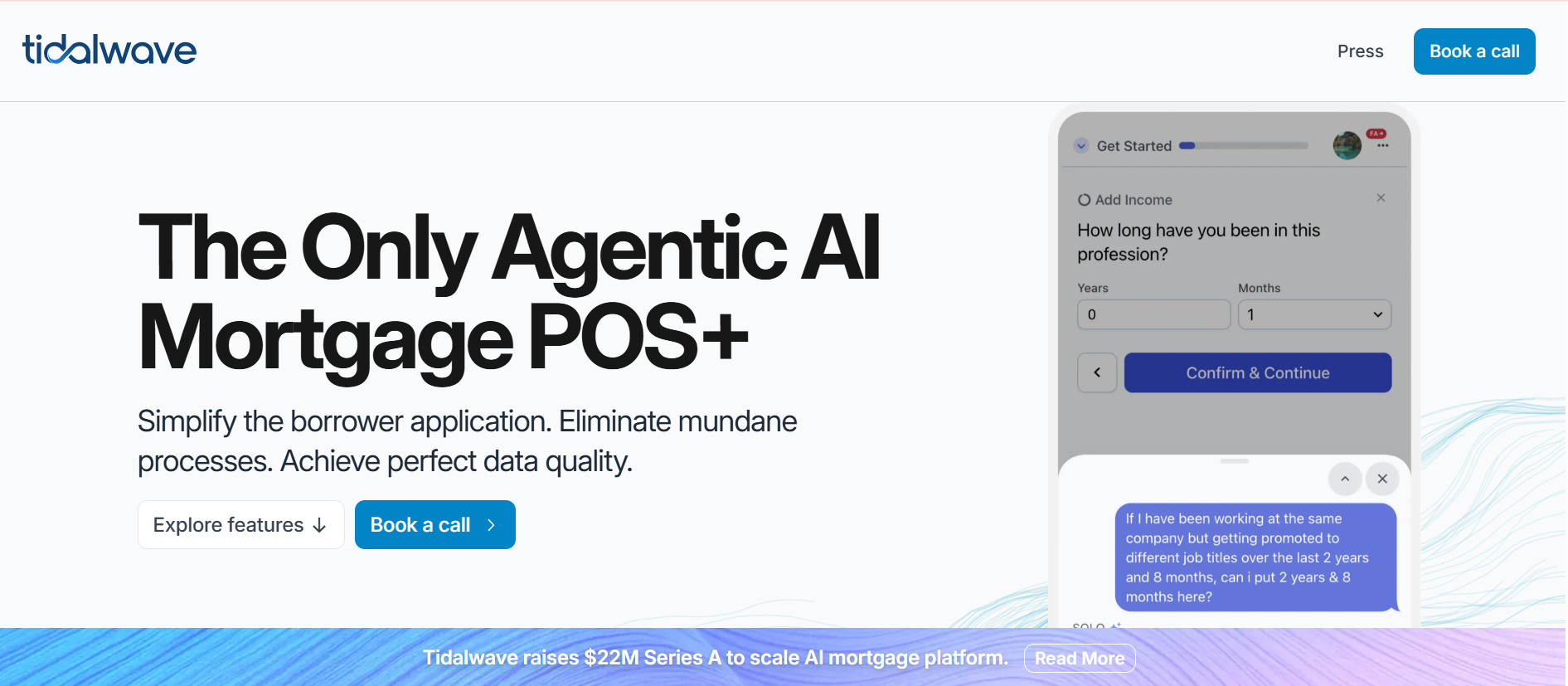
Latest Rounds
November 30, 2025 by
Tidalwave Raises $22M Series A to Build the Infrastructure Layer Modern Homebuilders Need for AI-Driven Operations
Tidalwave has raised $22,000,000 in their Series A, led by Permanent Capital with participation from D.R. Horton, Inc. and Engineering...
Read More
Latest Rounds
November 30, 2025 by
WellBeam Raises $10M to Unify Care Coordination Across the Entire Patient Journey
WellBeam Inc. has secured $10 million in Series A funding, marking a major step toward fixing one of the most...
Read More
Latest Rounds
November 30, 2025 by
Automat Raises $15.5M to Redefine Industrial Automation With Adaptive AI
Automat has secured $15.5 million in Series A funding, a major milestone for a company working to radically transform how...
Read More
Latest Rounds
November 30, 2025 by
Poly Raises $8M to Reinvent How People Organize, Search, and Think With Their Files
Poly (US) has closed an $8,000,000 Seed round, marking a decisive moment for one of the most ambitious productivity startups...
Read More
Latest Rounds
November 30, 2025 by
Voio Raises $8.6M to Power AI That Understands Patients as Individuals, Not Data Points
Voio has secured $8.6 million in Seed funding, marking a major step forward for a company working to bring true...
Read More
Latest Rounds
November 30, 2025 by
Ember Raises $4.3M to Reinvent AI-Driven Revenue Cycle Management for Healthcare Providers
Ember has secured $4.3 million in Seed funding, marking a major step toward transforming one of healthcare’s most expensive, error-prone,...
Read More
Latest Rounds
November 30, 2025 by
Modern Life Raises $20M to Redefine Life Insurance Infrastructure With AI-Powered Tools for Advisors
Modern Life has secured $20 million in new funding, marking another major milestone in its mission to rebuild the fractured,...
Read More
Latest Rounds
November 30, 2025 by
Ampersand Raises $80M to Power the Next Era of High-Performance Materials
Ampersand has secured a major $80 million Series A round, positioning itself as one of the most significant deep-tech companies...
Read More
Latest Rounds
November 30, 2025 by
OpenHands Raises $18.8M to Bring Autonomous Coding Agents Into the Enterprise
OpenHands has raised $18.8 million in Series A funding, marking one of the strongest signals yet that autonomous software development...
Read More