
WellBeam Raises $10M Series A to Build the Integrated Care Coordination Layer Healthcare Has Been Missing
November 27, 2025
by
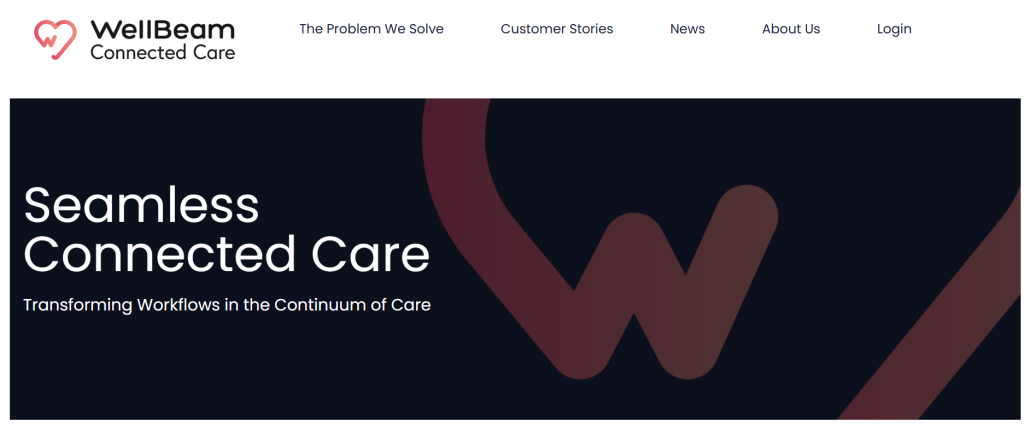
WellBeam Inc. has secured $10,000,000 in their Series A round, led by Wittington Ventures with participation from F-Prime, Advocate Health, and Oncology Ventures. Founded by Amee Devani, WellBeam is building what healthcare systems have been trying to patch together for decades: a frictionless, intelligent care coordination layer that connects patients, clinicians, operational teams, and specialty programs into one unified workflow. With care delivery more fragmented than ever, hospitals face rising administrative load, patient leakage, inconsistent follow-up, and gaps in communication that directly harm outcomes. WellBeam’s platform offers a smarter way to orchestrate the entire care journey - closing the loop between clinical intent and real-world execution.
The Problem: Care Coordination Is Still Manual, Disconnected, and Operationally Heavy
Healthcare organizations are deploying countless digital tools - EHR upgrades, scheduling systems, patient engagement platforms, specialty triage tools - but they still struggle to coordinate patient journeys in a consistent, timely, high-quality way. Nurses, care managers, and staff spend hours navigating spreadsheets, phone trees, inboxes, and fragmented systems. Every missed follow-up becomes a bottleneck. Every untracked referral becomes leakage. And every delay in escalation becomes a risk to both patient safety and organizational performance. WellBeam solves this by creating a centralized, intelligent layer that guides tasks, supports routing, and connects teams, bringing coordination out of email inboxes and into a structured, accountable workflow.
A New Operational Layer: Turning Care Coordination Into a Repeatable, Measurable System
Rather than adding another front-end feature or one-off automation, WellBeam builds the infrastructure care teams operate inside. The platform brings together patient data, care plans, communication workflows, and operational logic to ensure every follow-up action is completed, documented, and escalated appropriately. It orchestrates the right tasks to the right person at the right time, all inside a shared environment that reduces confusion and eliminates administrative overload. By combining workflow intelligence with real-time visibility, WellBeam transforms coordination from a manual chore into a consistent system of record. Care becomes predictable. Teams become aligned. Patients stop falling through the cracks.
A Founder Who Understands the Operational Reality of Clinical Work
Amee Devani built WellBeam with a clear understanding of where healthcare coordination fails - not in clinical excellence but in the operational mechanics that support it. Her background gives her a rare vantage point: the ability to bridge clinical need with product design, technology capability, and system-level integration. Many health tech solutions aim high on vision but break during real-world deployment because they don’t fit into the daily grind of provider workflows. WellBeam succeeds because it respects how care teams actually work. And that grounding in reality shapes the entire product strategy.
Healthcare Doesn’t Break at the Point of Care - It Breaks at the Handoffs
Here’s the core insight embedded into WellBeam’s architecture:
The most dangerous part of the healthcare journey isn’t the clinical decision - it’s everything that happens after it.
Most patient harm, operational loss, and system inefficiency occur in the handoffs: when responsibility shifts from one team to another, from one workflow to another, or from one system to another. These handoffs are where errors multiply and communication collapses. WellBeam recognized that improving care quality doesn’t require reinventing clinical treatment - it requires strengthening the connective tissue between every point of the patient journey. When the handoffs are orchestrated, monitored, and supported with intelligent workflow logic, both safety and efficiency increase dramatically. This insight is what separates WellBeam from typical care coordination tools and positions the company to shape a new category.
Investor Alignment: Why Top Healthcare and Venture Funds Are Betting on WellBeam
WellBeam’s investors - Wittington Ventures, F-Prime, Advocate Health, and Oncology Ventures - signal a strong thesis. These backers understand that the future of healthcare operations depends on systems that unify workflows, connect teams, and reduce preventable administrative friction. Their participation reflects confidence in WellBeam’s ability to become the strategic operational layer that health systems rely on. Instead of solving one narrow workflow, WellBeam is solving the underlying infrastructure problem: how to make healthcare coordination efficient at scale. With backing from funds that specialize in transformative healthcare innovation, WellBeam enters its next phase with the capital and expertise required to expand deeply into integrated delivery networks and specialty programs.
A Market Under Pressure - and Ready for Coordination Infrastructure
The demand for advanced care coordination platforms is exploding across the healthcare system. Operational friction, staffing shortages, and rising patient complexity are forcing hospitals to rethink how they organize care delivery. Recent data shows just how urgent the need has become:
• Administrative burden now represents up to 25% of total U.S. healthcare spending.
• Nearly 70% of adverse clinical events stem from care coordination failures - not clinical decision-making.
• Demand for care coordinators and nurse navigators is growing 15–20% year over year.
• Hospitals lose an estimated $300 billion annually due to patient leakage, missed follow-ups, and inefficient referral pathways.
• Post-discharge follow-up still fails in roughly 40% of cases, creating avoidable readmissions and safety risks.
Healthcare isn’t lacking digital tools; it’s lacking the infrastructure that pulls everything together. As organizations shift toward value-based care, integrated operations, and high-accountability workflows, the market is moving decisively toward platforms that eliminate fragmentation and strengthen the connective tissue holding care pathways together.
Why WellBeam Is Positioned to Lead the Care Coordination Revolution
WellBeam’s advantage is structural: by serving as the operational layer that ties together tasks, communication, workflows, and team responsibilities, it becomes foundational to how healthcare gets delivered. The platform doesn’t replace clinicians - it amplifies their capacity by removing the noise around them. It gives leaders visibility. It gives coordinators clarity. And it gives patients a smoother, safer experience. As healthcare systems push toward value-based models, reduce unnecessary utilization, and fight against staff burnout, WellBeam sits in the exact position where transformation becomes possible.
Final Thoughts
Care coordination is often the invisible backbone of healthcare - but when it breaks, everything breaks. WellBeam is building the system that ensures it no longer does. With $10M in Series A funding, a founder uniquely equipped to solve the operational challenges of modern healthcare, and a market urgently seeking solutions that streamline care journeys, WellBeam is positioned to become a defining platform of the next decade of health tech innovation. This raise signals that investors understand what clinical leaders have known for years: improving care quality isn’t just about improving treatment - it’s about improving the operations that support it. And WellBeam is leading that change.
Related Articles

Latest Rounds
November 30, 2025 by
EcoG Raises $18.57M to Accelerate the Operating System for the Global EV Charging Economy
EcoG has raised $18,573,280 in new funding, led by GET Fund with participation from Extantia Capital and Bayern Kapital. Founded...
Read More
Latest Rounds
November 30, 2025 by
Tidalwave Raises $22M Series A to Build the Infrastructure Layer Modern Homebuilders Need for AI-Driven Operations
Tidalwave has raised $22,000,000 in their Series A, led by Permanent Capital with participation from D.R. Horton, Inc. and Engineering...
Read More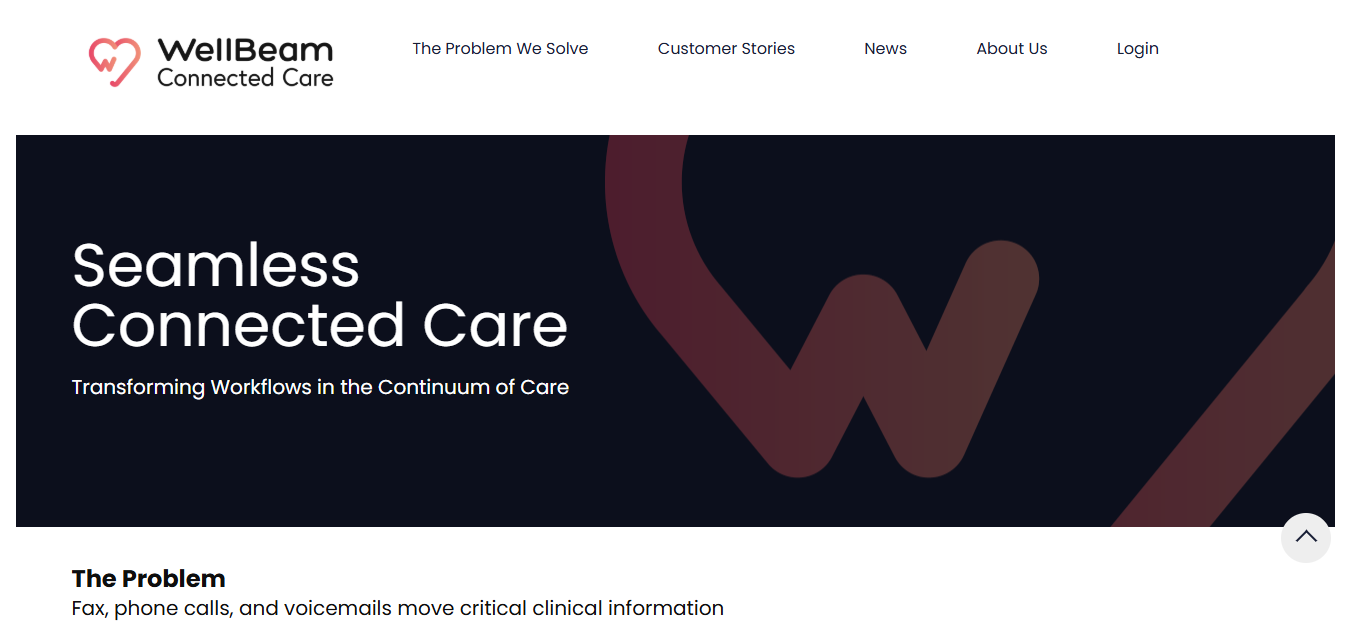
Latest Rounds
November 30, 2025 by 
WellBeam Raises $10M to Unify Care Coordination Across the Entire Patient Journey
WellBeam Inc. has secured $10 million in Series A funding, marking a major step toward fixing one of the most...
Read More
Latest Rounds
November 30, 2025 by
Automat Raises $15.5M to Redefine Industrial Automation With Adaptive AI
Automat has secured $15.5 million in Series A funding, a major milestone for a company working to radically transform how...
Read More
Latest Rounds
November 30, 2025 by
Poly Raises $8M to Reinvent How People Organize, Search, and Think With Their Files
Poly (US) has closed an $8,000,000 Seed round, marking a decisive moment for one of the most ambitious productivity startups...
Read More
Latest Rounds
November 30, 2025 by
Voio Raises $8.6M to Power AI That Understands Patients as Individuals, Not Data Points
Voio has secured $8.6 million in Seed funding, marking a major step forward for a company working to bring true...
Read More
Latest Rounds
November 30, 2025 by
Ember Raises $4.3M to Reinvent AI-Driven Revenue Cycle Management for Healthcare Providers
Ember has secured $4.3 million in Seed funding, marking a major step toward transforming one of healthcare’s most expensive, error-prone,...
Read More
Latest Rounds
November 30, 2025 by
Modern Life Raises $20M to Redefine Life Insurance Infrastructure With AI-Powered Tools for Advisors
Modern Life has secured $20 million in new funding, marking another major milestone in its mission to rebuild the fractured,...
Read More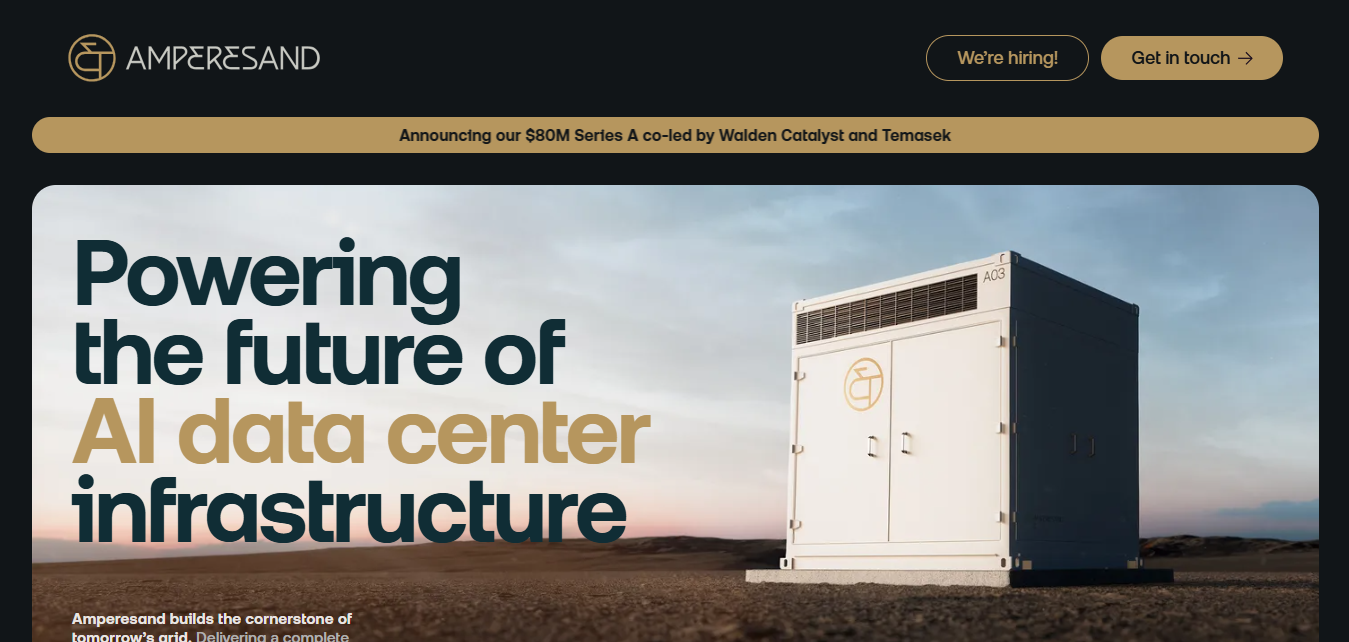
Latest Rounds
November 30, 2025 by
Ampersand Raises $80M to Power the Next Era of High-Performance Materials
Ampersand has secured a major $80 million Series A round, positioning itself as one of the most significant deep-tech companies...
Read More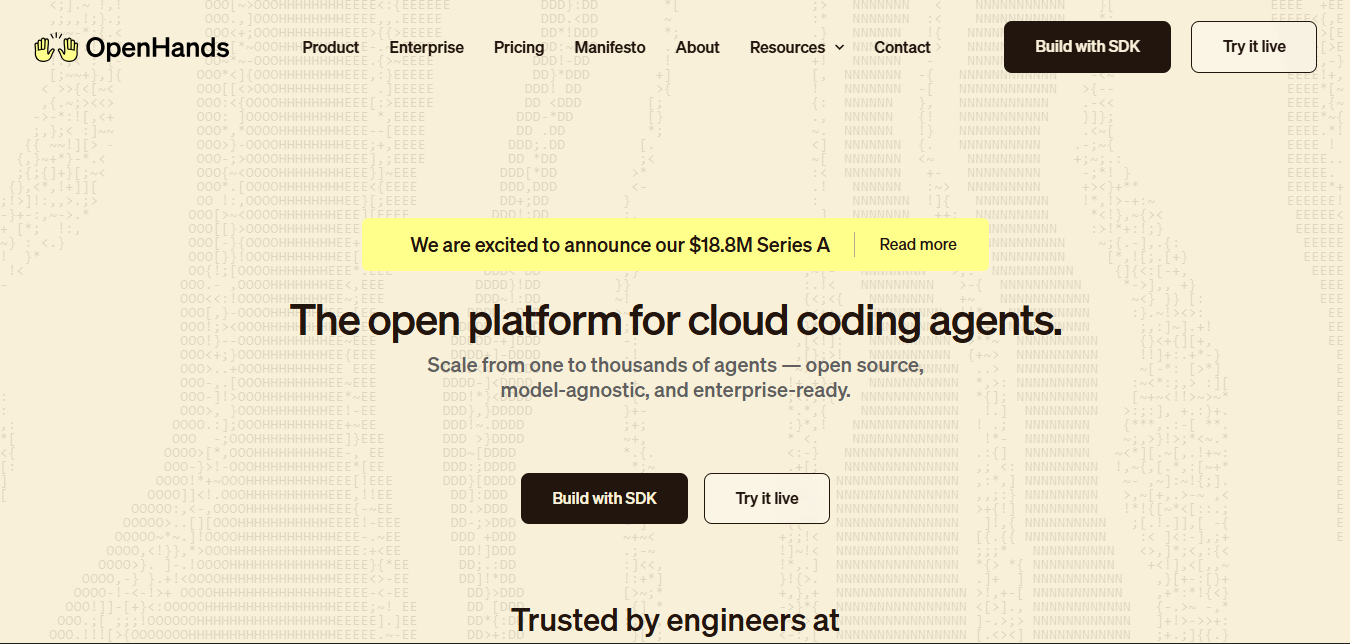
Latest Rounds
November 30, 2025 by
OpenHands Raises $18.8M to Bring Autonomous Coding Agents Into the Enterprise
OpenHands has raised $18.8 million in Series A funding, marking one of the strongest signals yet that autonomous software development...
Read More