
CampusKnot Raises $1.1 Million to Reinvent Student Engagement and Academic Participation
November 28, 2025
by
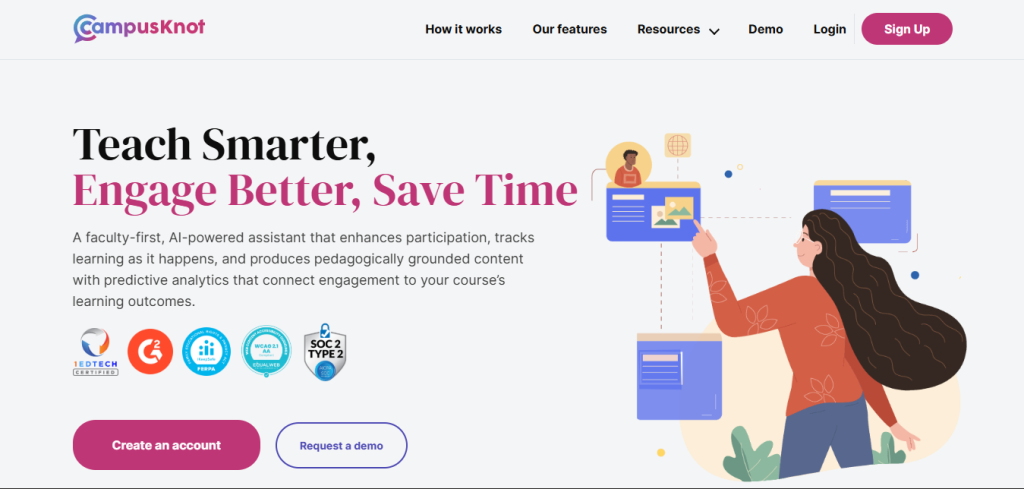
CampusKnot, a platform designed to help universities modernize classroom engagement, student retention, and course participation, has raised $1,100,000 in new funding led by Tulane Ventures, with participation from Boot64 Ventures, Invest Mississippi Impact Fund, Momentum Fund, Greaux Innovation Ventures, and angel investors.
Founded by Rahul Gopal, CampusKnot focuses on solving one of higher education’s most persistent problems: student disengagement. Instead of serving as another LMS or grading platform, CampusKnot positions itself as the engagement layer - where attendance, interaction, incentives, communication, and course participation all live in a single structured system.
Why Student Engagement is a Growing Crisis for Universities
The academic landscape has changed dramatically over the past decade. U.S. college enrollment has declined by more than 2.6 million students since 2011, driven by financial pressures, shifting demographics, and post-pandemic learning fatigue. Meanwhile, student completion rates remain stagnant, with only 62% of U.S. students graduating within six years.
More critically, disengagement is becoming a leading predictor of dropout risk. Universities report:
- Students who miss participation milestones are five times more likely to withdraw
- First-year disengagement is responsible for nearly 40% of total dropout losses
- Institutions lose billions annually due to retention-based revenue declines
Institutions now recognize that retention is no longer an academic issue - it’s a financial and operational one. With the global higher education software market projected to exceed $40 billion by 2030, platforms that can quantify engagement are becoming essential infrastructure.
CampusKnot is tackling that problem directly by tracking behavior, not just academic output.
Why Student Engagement Matters Now
The landscape of higher education is rapidly shifting:
- College enrollment in the U.S. has dropped by over 2.5 million students in the last decade
- Online and hybrid learning now accounts for over half of total postsecondary enrollment
- Universities increasingly depend on retention metrics to secure funding and accreditation
- Institutions report that disengaged students are 5x more likely to withdraw before graduation
Education is becoming a competitive market - and institutions that cannot keep students engaged risk long-term decline.
CampusKnot provides a way to measure student consistency, not just academic output.
A New Insight: Engagement Is a Leading Indicator of Outcomes
What makes CampusKnot strategically significant isn’t just that it tracks attendance or participation - it treats engagement as the causal engine behind student success, not a passive metric.
Most education platforms measure outcomes only after performance appears: grades, dropout rates, test scores.
But behavior changes long before performance does.
Students don’t fail when their exam scores drop - they fail when their academic habits silently deteriorate: fewer check-ins, longer response gaps, reduced participation, missed micro-deadlines.
Platforms that detect and influence this early behavioral decay give institutions leverage. And platforms that embed those systems across courses - not isolated classrooms - become part of the university’s infrastructure.
That’s the strategic advantage: the system that shapes behavior becomes harder to replace than systems that merely record outcomes.
A Market Ready for Behavioral Operating Systems
Several macro trends are accelerating demand:
- Hybrid and online learning now make up over half of college course enrollments
- Edtech investment is rebounding, expected to reach over $600 billion globally by 2030
- Universities allocate increasing budget to retention rather than recruitment
- Behavioral analytics in education is growing at above 20% annual CAGR
Meanwhile, student success initiatives are becoming essential for accreditation, state funding, and institutional ranking. Universities must now demonstrate measurable support systems rather than passive learning environments.
This explains the shift from content tools to habit-forming engagement platforms - exactly where CampusKnot positions itself.
Backed by Strategic and Education-Aligned Investors
This funding round includes a mix of institutional and education-focused backers:
- Tulane Ventures, tied to academic innovation networks
- Boot64 Ventures, supporting scalable SaaS models
- Invest Mississippi Impact Fund, backing regional tech development
- Momentum Fund & Greaux Innovation Ventures, supporting early-stage infrastructure plays
The combination of regional and thematic investors suggests a path toward adoption across public universities, regional colleges, and state-wide education systems.
What CampusKnot Plans Next
With its new capital, CampusKnot plans to:
- Expand across universities, community colleges, and hybrid programs
- Build predictive analytics for at-risk students using behavioral patterns
- Deepen integrations with LMS systems rather than replacing them
- Strengthen tools that support large-scale lecture environments
- Expand into corporate learning and workplace training
The long-term vision is to become the engagement operating layer, bridging student behavior, instructor workflows, and institutional success metrics.
Why It Matters
Higher education institutions don’t fail because of poor curriculum - they fail because they lose momentum with the students who could succeed.
CampusKnot isn’t building a tool for classrooms; it’s building infrastructure for engagement, habit-building, and long-term academic persistence.
As universities compete not just to enroll students, but to retain them, platforms like CampusKnot may define the future of institutional success.
Related Articles

Latest Rounds
November 30, 2025 by 
EcoG Raises $18.57M to Accelerate the Operating System for the Global EV Charging Economy
EcoG has raised $18,573,280 in new funding, led by GET Fund with participation from Extantia Capital and Bayern Kapital. Founded...
Read More
Latest Rounds
November 30, 2025 by
Tidalwave Raises $22M Series A to Build the Infrastructure Layer Modern Homebuilders Need for AI-Driven Operations
Tidalwave has raised $22,000,000 in their Series A, led by Permanent Capital with participation from D.R. Horton, Inc. and Engineering...
Read More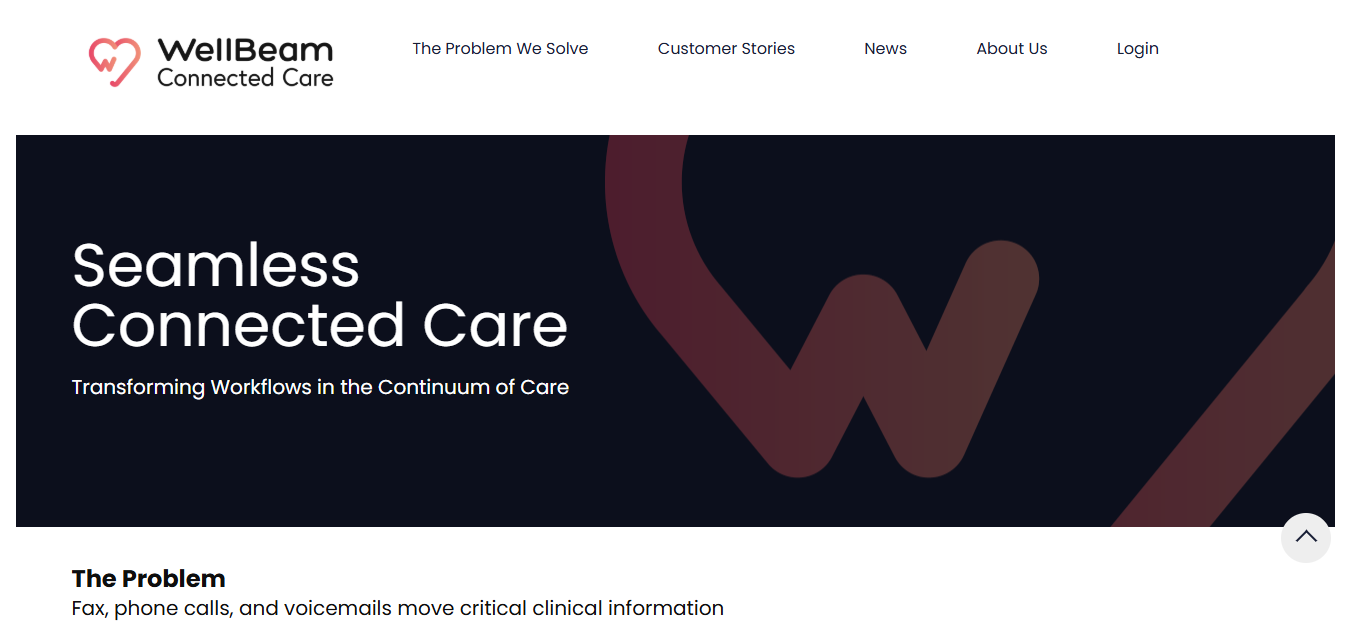
Latest Rounds
November 30, 2025 by
WellBeam Raises $10M to Unify Care Coordination Across the Entire Patient Journey
WellBeam Inc. has secured $10 million in Series A funding, marking a major step toward fixing one of the most...
Read More
Latest Rounds
November 30, 2025 by
Automat Raises $15.5M to Redefine Industrial Automation With Adaptive AI
Automat has secured $15.5 million in Series A funding, a major milestone for a company working to radically transform how...
Read More
Latest Rounds
November 30, 2025 by
Poly Raises $8M to Reinvent How People Organize, Search, and Think With Their Files
Poly (US) has closed an $8,000,000 Seed round, marking a decisive moment for one of the most ambitious productivity startups...
Read More
Latest Rounds
November 30, 2025 by
Voio Raises $8.6M to Power AI That Understands Patients as Individuals, Not Data Points
Voio has secured $8.6 million in Seed funding, marking a major step forward for a company working to bring true...
Read More
Latest Rounds
November 30, 2025 by
Ember Raises $4.3M to Reinvent AI-Driven Revenue Cycle Management for Healthcare Providers
Ember has secured $4.3 million in Seed funding, marking a major step toward transforming one of healthcare’s most expensive, error-prone,...
Read More
Latest Rounds
November 30, 2025 by
Modern Life Raises $20M to Redefine Life Insurance Infrastructure With AI-Powered Tools for Advisors
Modern Life has secured $20 million in new funding, marking another major milestone in its mission to rebuild the fractured,...
Read More
Latest Rounds
November 30, 2025 by
Ampersand Raises $80M to Power the Next Era of High-Performance Materials
Ampersand has secured a major $80 million Series A round, positioning itself as one of the most significant deep-tech companies...
Read More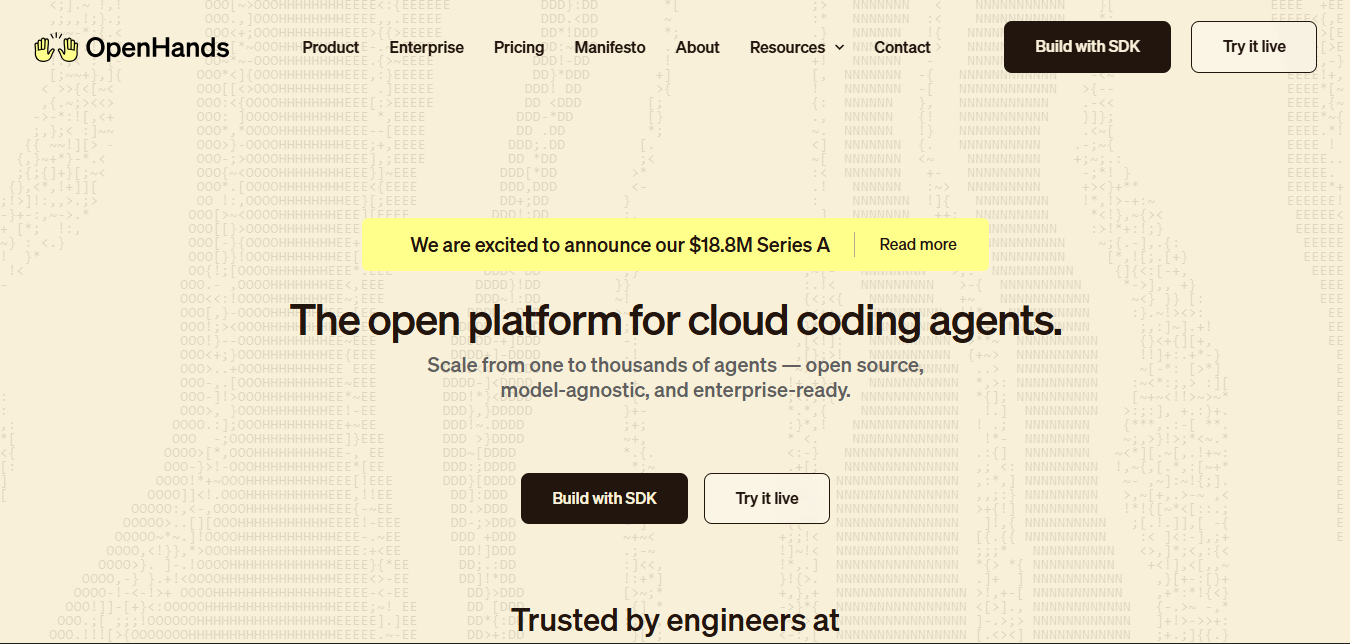
Latest Rounds
November 30, 2025 by
OpenHands Raises $18.8M to Bring Autonomous Coding Agents Into the Enterprise
OpenHands has raised $18.8 million in Series A funding, marking one of the strongest signals yet that autonomous software development...
Read More