
Poly Raises $8M to Reinvent How People Organize, Search, and Think With Their Files
November 30, 2025
by

Poly (US) has closed an $8,000,000 Seed round, marking a decisive moment for one of the most ambitious productivity startups in the modern era. Led by Felicis, with participation from Bloomberg Beta, NextView Ventures, Figma Ventures, AI Grant, Wing Ventures, and MVP Ventures, the round validates a problem millions of workers silently battle every day: digital chaos.
Founded by Abhay Agarwal, Poly aims to become nothing less than the intelligent file browser for the AI era. Instead of navigating cluttered folders, broken naming conventions, and countless cloud drives, Poly gives users an interface that feels intuitive, visual, and deeply searchable—powered by AI that understands how people actually work.
This isn’t simply about finding files faster. It’s about reshaping how creators, teams, and organizations capture knowledge and access it at the moment it matters.
The Problem Poly Is Built to Solve
Knowledge workers today spend up to 1.8 hours per day searching for files or information—nearly 20% of the workday. This inefficiency compounds across teams, costing companies real money and slowing down decision-making.
The explosion of cloud tools has made the problem worse. The average startup now uses over 100 SaaS applications, creating fragmented storage across:
- Google Drive
- Notion
- Dropbox
- Figma
- Slack
- Internal knowledge bases
- And dozens more
Poly unifies these scattered sources and layers intelligence on top of them. Instead of manually remembering folders, version names, or when something was last edited, users can simply think, type, or visually browse—and Poly does the rest.
What Poly Actually Does
Poly’s platform reimagines the file browser as a visual, AI-powered interface. Files appear as preview-rich cards organized by project, topic, collaborator, or semantic meaning rather than strict folder hierarchies.
Key capabilities include:
- AI semantic search that understands context, not keywords
- Unified browsing across drives, apps, and local storage
- Visual organization that shows your work like a gallery instead of a directory
- Real-time sync as files update across platforms
- Automatic grouping of related assets, references, and versions
The result is a workspace where finding the right file feels natural—not like detective work.
Designers can browse every version of a mockup visually.
Product managers can surface old documents just by remembering what they contained.
Teams can pick up work instantly, even if someone is out.
Poly isn't just a file tool; it’s a memory engine for organizations.
And Here’s the Real Leverage Behind Poly
As Poly becomes the shared layer through which a team understands its files, a deeper shift happens—the platform starts shaping how that team works altogether. When people instinctively turn to Poly instead of native drives, the browser silently becomes the operating layer for knowledge.
This is the moment where productivity tools cross into something more powerful.
When a company’s historical context, creative process, and decision trails become discoverable instead of buried, a team’s speed isn't just slightly improved—it's fundamentally rewired.
Founders often assume defensibility comes from features or AI models. But long-term defensibility almost always comes from becoming the place where an organization’s memory lives. Once a team’s collective knowledge is indexed, connected, and accessible through a single interface, switching costs skyrocket—not because they’re trapped, but because the alternative would feel like going back to working blindfolded.
Poly is designing for this layer of inevitability: a workspace where teams don’t just store files—they build a navigable history of their work.
Why Investors Are Betting Big on Poly
Felicis and Bloomberg Beta have backed many category-defining tools, and their investment signals confidence in Poly’s potential to reshape how people work.
The timing is perfect:
- AI-driven knowledge tools are growing at 20%+ annually
- Teams are producing more digital assets than ever
- The rise of remote and hybrid work increases the need for shared context
- Creative software usage is exploding, with design workflows up 40% year-over-year
Poly sits directly at the intersection of these trends. The more teams rely on visual collaboration tools like Figma, Notion, and Miro, the greater the need for a browser that understands creative workflows holistically.
Industry Outlook: A Massive Opportunity
Globally, the digital file-management and enterprise search market is expected to surpass $9 billion by 2026, driven by AI integration and exponential content growth.
Meanwhile:
- The average knowledge worker manages over 10,000 files
- Creative teams generate 60% more assets per year
- Poor file organization contributes to $3,900 in productivity loss per employee annually
Poly doesn’t just relieve this burden—it converts chaos into structure, and structure into institutional clarity.
What Comes Next for Poly
With fresh funding, Poly plans to:
- Expand integrations with more cloud tools and design platforms
- Improve its semantic understanding and file-relationship AI
- Launch team-wide collaboration workspaces
- Build enterprise-grade admin and security features
- Grow its engineering and product teams to support rapid scaling
The larger vision is clear:
To become the universal interface for how organizations visualize, retrieve, and understand their files—regardless of where those files are stored.
If the modern workplace is defined by digital abundance, Poly is building the system that makes that abundance usable.
Related Articles

Latest Rounds
November 30, 2025 by 
EcoG Raises $18.57M to Accelerate the Operating System for the Global EV Charging Economy
EcoG has raised $18,573,280 in new funding, led by GET Fund with participation from Extantia Capital and Bayern Kapital. Founded...
Read More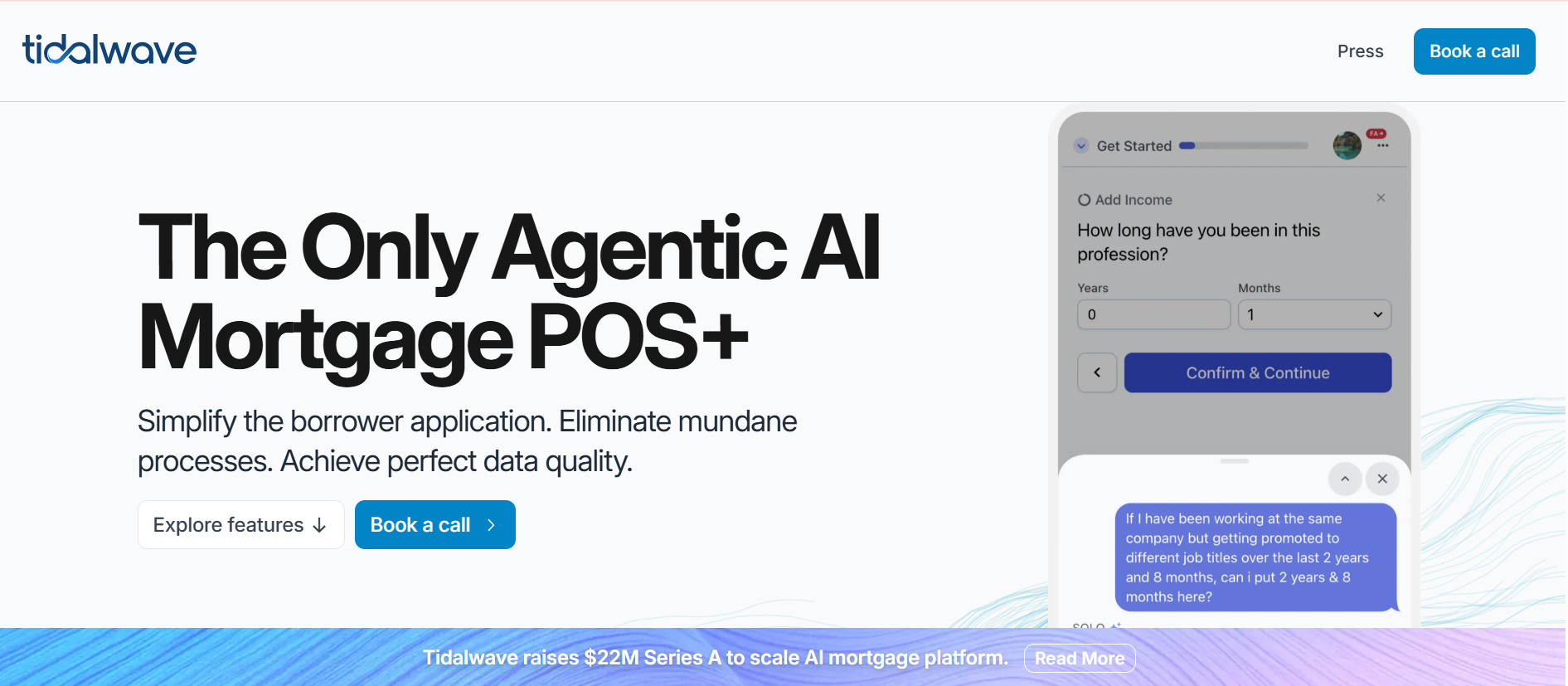
Latest Rounds
November 30, 2025 by
Tidalwave Raises $22M Series A to Build the Infrastructure Layer Modern Homebuilders Need for AI-Driven Operations
Tidalwave has raised $22,000,000 in their Series A, led by Permanent Capital with participation from D.R. Horton, Inc. and Engineering...
Read More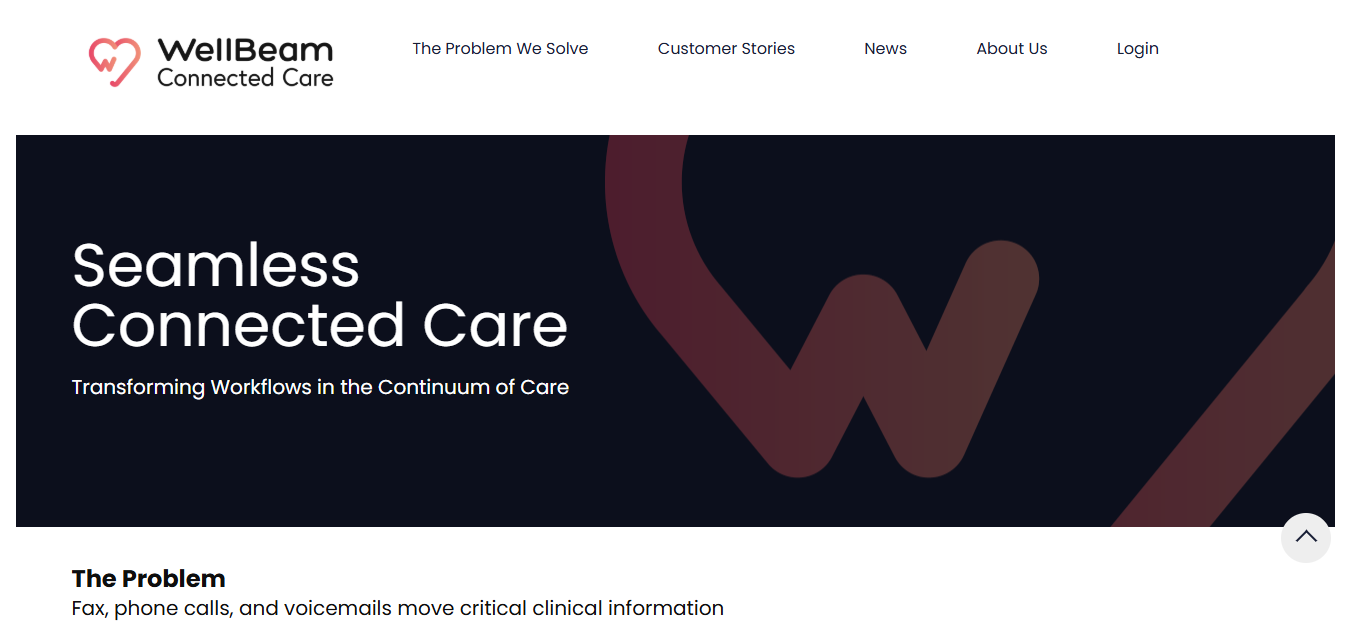
Latest Rounds
November 30, 2025 by
WellBeam Raises $10M to Unify Care Coordination Across the Entire Patient Journey
WellBeam Inc. has secured $10 million in Series A funding, marking a major step toward fixing one of the most...
Read More
Latest Rounds
November 30, 2025 by
Automat Raises $15.5M to Redefine Industrial Automation With Adaptive AI
Automat has secured $15.5 million in Series A funding, a major milestone for a company working to radically transform how...
Read More
Latest Rounds
November 30, 2025 by
Voio Raises $8.6M to Power AI That Understands Patients as Individuals, Not Data Points
Voio has secured $8.6 million in Seed funding, marking a major step forward for a company working to bring true...
Read More
Latest Rounds
November 30, 2025 by
Ember Raises $4.3M to Reinvent AI-Driven Revenue Cycle Management for Healthcare Providers
Ember has secured $4.3 million in Seed funding, marking a major step toward transforming one of healthcare’s most expensive, error-prone,...
Read More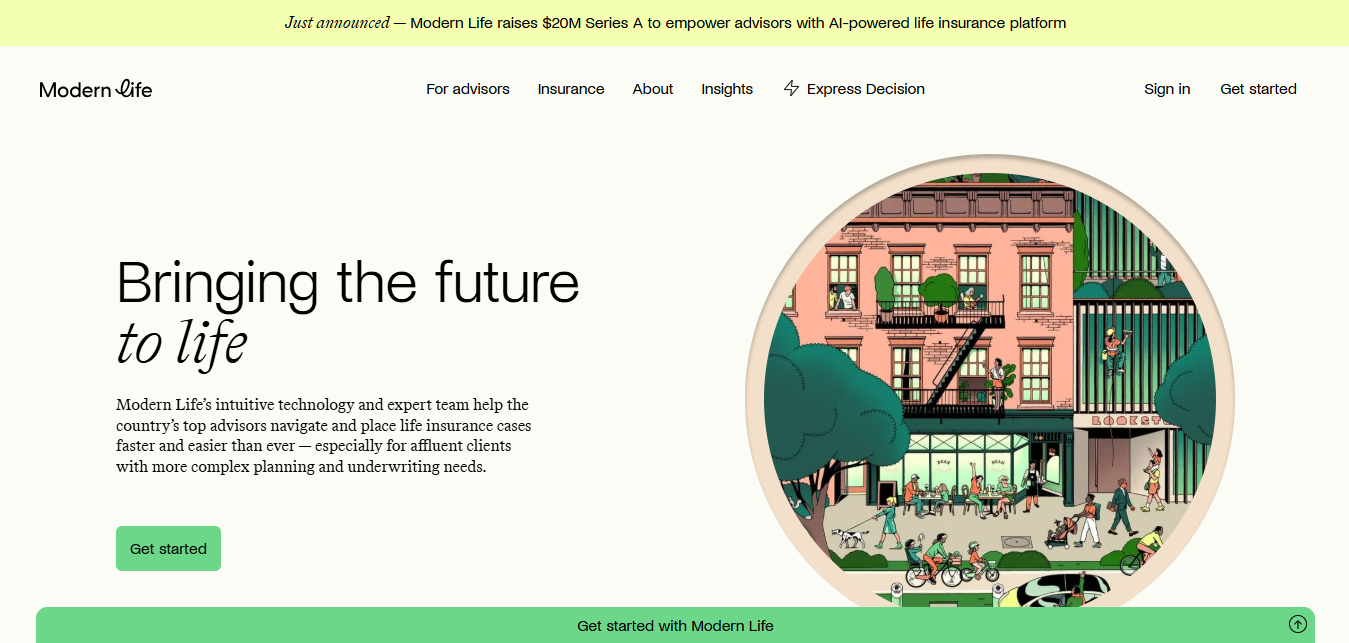
Latest Rounds
November 30, 2025 by
Modern Life Raises $20M to Redefine Life Insurance Infrastructure With AI-Powered Tools for Advisors
Modern Life has secured $20 million in new funding, marking another major milestone in its mission to rebuild the fractured,...
Read More
Latest Rounds
November 30, 2025 by
Ampersand Raises $80M to Power the Next Era of High-Performance Materials
Ampersand has secured a major $80 million Series A round, positioning itself as one of the most significant deep-tech companies...
Read More
Latest Rounds
November 30, 2025 by
OpenHands Raises $18.8M to Bring Autonomous Coding Agents Into the Enterprise
OpenHands has raised $18.8 million in Series A funding, marking one of the strongest signals yet that autonomous software development...
Read More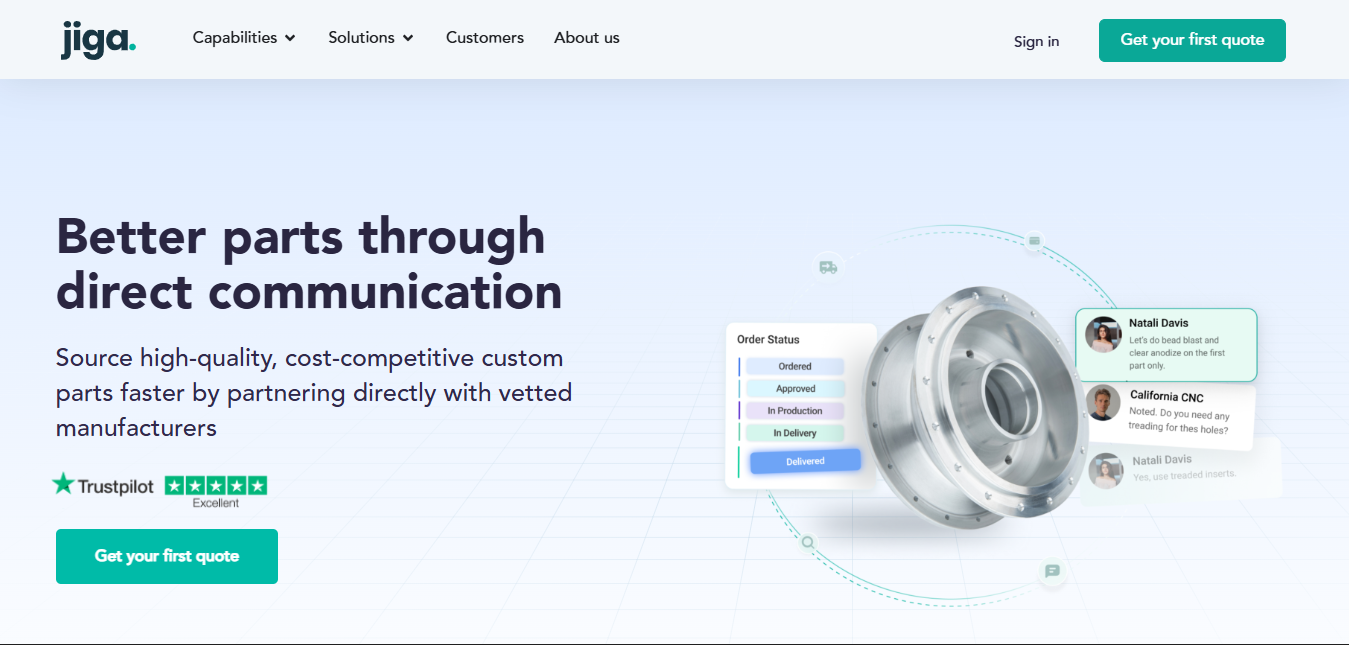
Latest Rounds
November 30, 2025 by
Jiga Raises $12M to Transform Manufacturing Procurement Into a Modern, Data-Driven Workflow
Jiga has raised $12 million in Seed funding, marking a major shift in the way hardware and manufacturing teams collaborate...
Read More