
WellBeam Raises $10M to Unify Care Coordination Across the Entire Patient Journey
November 30, 2025
by
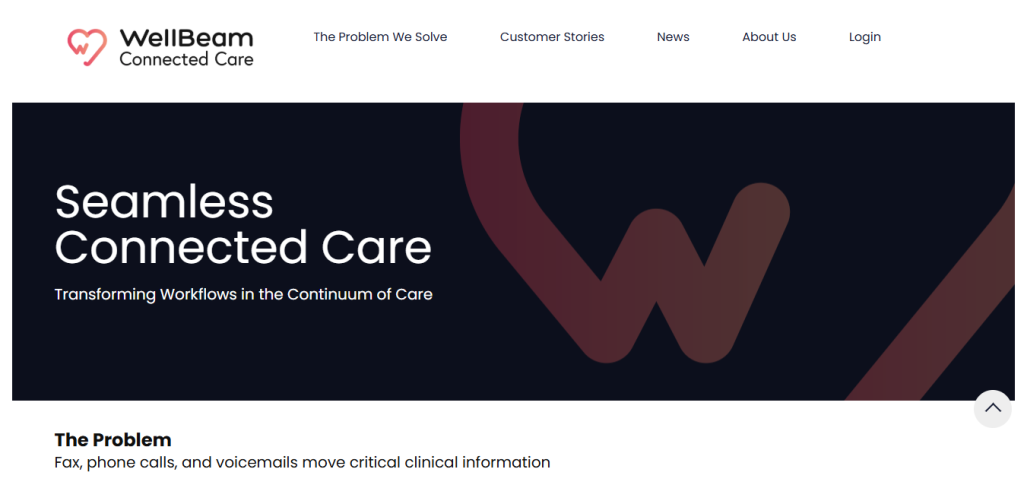
WellBeam Inc. has secured $10 million in Series A funding, marking a major step toward fixing one of the most expensive, error-prone, and fragmented problems in healthcare: care coordination. The round was led by Wittington Ventures, with participation from F-Prime, Advocate Health, and Oncology Ventures, signaling strong confidence in WellBeam’s mission to rebuild how health systems communicate, collaborate, and guide patients between touchpoints.
Founded by Amee Devani, WellBeam focuses on the continuum of care - the messy space between siloed medical teams, shifting care settings, and overwhelmed patients trying to follow complex treatment plans. Instead of adding yet another tool to the clinical workflow, WellBeam integrates directly into existing systems, streamlining communication across providers, specialists, payers, and care managers.
In a healthcare environment where the average patient interacts with 10–15 different clinicians during a single treatment episode, the need for clear, connected communication has never been greater.
The Healthcare Coordination Crisis
Care fragmentation is one of the most costly failures in U.S. healthcare. Studies show:
- $35–40 billion is wasted annually due to poor care coordination.
- Nearly 50% of hospital readmissions are linked to communication gaps.
- 1 in 4 patients experiences a care transition error after discharge.
- Providers spend up to 40% of their day navigating fragmented workflows and documentation.
As the industry shifts toward value-based care - and as aging populations and chronic conditions drive rising complexity - health systems need solutions that connect teams, not burden them.
WellBeam is stepping into this gap with technology that turns disjointed steps into a single, continuous workflow. It does this by integrating clinical data, surfacing patient needs in real time, and giving care teams a shared view of every case.
Why the Market Is Ready for a Platform Like WellBeam
Healthcare systems are under immense pressure. Burnout is rising, labor shortages are widening, and administrative tasks continue to overshadow patient care.
The demand for workflow automation and connected-care infrastructure is accelerating:
- The global care-coordination software market is expected to exceed $30 billion by 2030, growing around 12% annually.
- Value-based care adoption is projected to increase by 40% in the next five years.
- Payers and health systems are increasingly tying reimbursements to continuity metrics like follow-up compliance, readmissions, and care transitions.
WellBeam sits at the center of this shift. Instead of creating isolated tools for single departments, the company builds an operating layer that hospitals can apply across oncology, cardiology, primary care, post-acute care, and chronic disease management.
The Strategic Advantage Hidden in Workflow Integration
There’s a deeper insight behind WellBeam’s approach:
When a platform becomes the source of truth for communication, it naturally becomes the system everything else must integrate with.
Hospitals don’t adopt - and then abandon - centralized workflows easily. Once coordination, documentation, and transition-of-care tasks flow through a single platform, switching becomes costly, disruptive, and risky. That’s why workflow ownership is one of the strongest forms of defensibility in healthcare software.
Platforms that quietly centralize operational logic often outlast flashier tools because they embed themselves into the hospital’s day-to-day functioning. WellBeam is following this path - positioning itself not as another app, but as the connective tissue of clinical work.
This shift mirrors what happened in revenue cycle management, pharmacy systems, and EHRs: once institutions depend on a system to keep operations moving, long-term contracts and natural expansion follow.
What WellBeam Is Building
WellBeam’s platform tackles the hardest parts of coordinated care by:
- Integrating disparate clinical systems
- Automating patient outreach and follow-up
- Enabling multi-team collaboration
- Highlighting real-time patient needs
- Reducing redundant documentation
- Improving transition-of-care pathways
Instead of forcing clinicians to juggle multiple portals, emails, and calls, WellBeam unifies tasks under one consistent workflow. The result is fewer readmissions, better handoffs, and measurable improvements in care efficiency.
Early deployments show a 20–30% reduction in transition errors and a meaningful increase in patient adherence - outcomes that directly affect reimbursements and quality scores.
Why Investors Are Backing WellBeam Now
The investor lineup behind this Series A round brings credibility and industry access:
- Wittington Ventures brings deep experience in digital health scaling.
- F-Prime is one of healthcare’s most established venture firms.
- Advocate Health, the nation’s third-largest nonprofit health system, offers direct pathways to clinical adoption.
- Oncology Ventures signals strong potential in cancer care coordination - one of the most fragmented and high-cost specialties.
This combination positions WellBeam to accelerate commercial rollout and deepen its integrations across hospital systems.
What’s Next for WellBeam
The new funding will fuel expansion in several areas:
- Deployment across major hospital networks
- Enhanced predictive analytics for care transitions
- Stronger integrations with EHRs and population health tools
- Specialized modules for oncology, orthopedics, and chronic disease
- Additional clinical and technical talent to support new markets
The long-term vision is a fully connected ecosystem where patients never fall through the cracks and providers are no longer burdened by fragmented communication.
WellBeam isn’t just improving a workflow - it’s repairing one of the core fractures in modern healthcare.
Related Articles

Latest Rounds
November 30, 2025 by 
EcoG Raises $18.57M to Accelerate the Operating System for the Global EV Charging Economy
EcoG has raised $18,573,280 in new funding, led by GET Fund with participation from Extantia Capital and Bayern Kapital. Founded...
Read More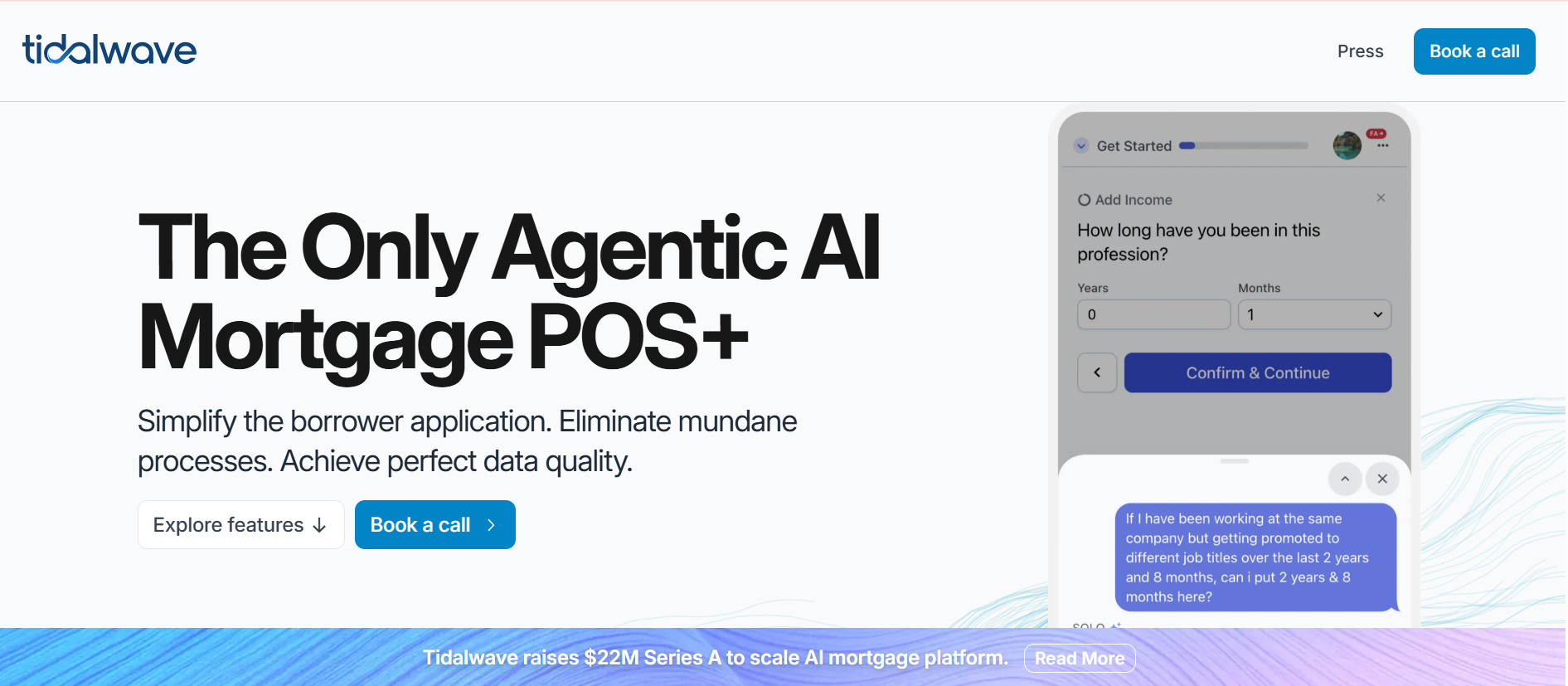
Latest Rounds
November 30, 2025 by
Tidalwave Raises $22M Series A to Build the Infrastructure Layer Modern Homebuilders Need for AI-Driven Operations
Tidalwave has raised $22,000,000 in their Series A, led by Permanent Capital with participation from D.R. Horton, Inc. and Engineering...
Read More
Latest Rounds
November 30, 2025 by
Automat Raises $15.5M to Redefine Industrial Automation With Adaptive AI
Automat has secured $15.5 million in Series A funding, a major milestone for a company working to radically transform how...
Read More
Latest Rounds
November 30, 2025 by
Poly Raises $8M to Reinvent How People Organize, Search, and Think With Their Files
Poly (US) has closed an $8,000,000 Seed round, marking a decisive moment for one of the most ambitious productivity startups...
Read More
Latest Rounds
November 30, 2025 by
Voio Raises $8.6M to Power AI That Understands Patients as Individuals, Not Data Points
Voio has secured $8.6 million in Seed funding, marking a major step forward for a company working to bring true...
Read More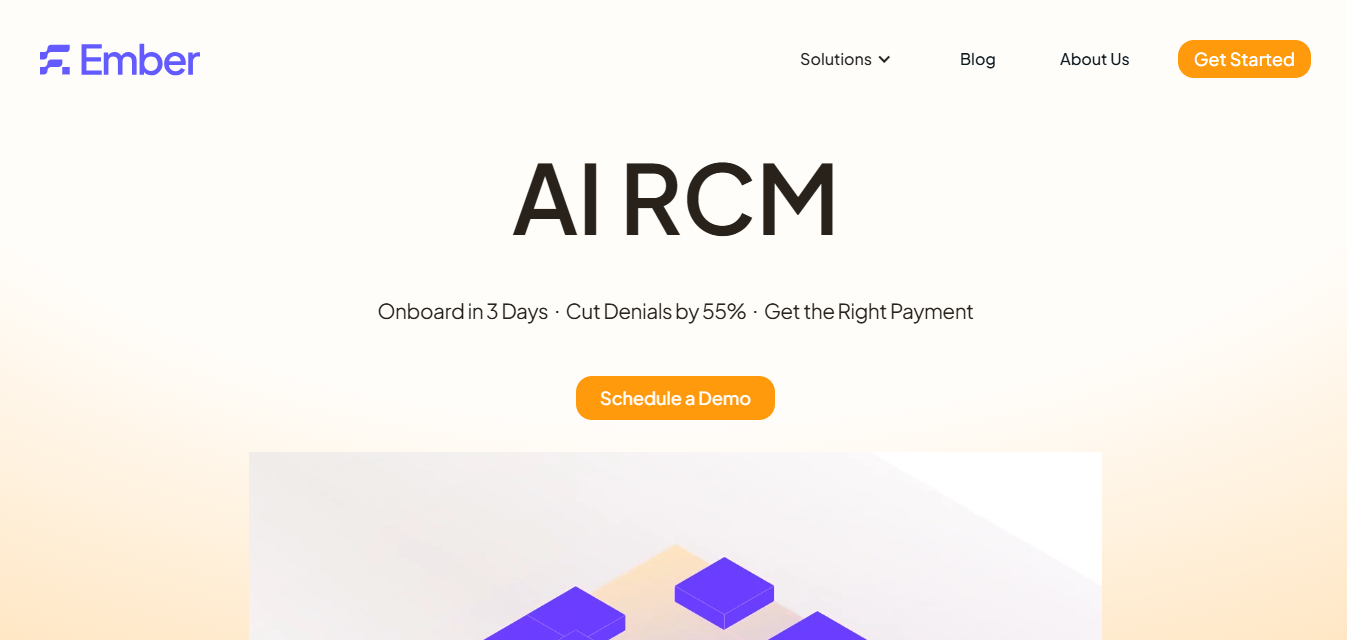
Latest Rounds
November 30, 2025 by
Ember Raises $4.3M to Reinvent AI-Driven Revenue Cycle Management for Healthcare Providers
Ember has secured $4.3 million in Seed funding, marking a major step toward transforming one of healthcare’s most expensive, error-prone,...
Read More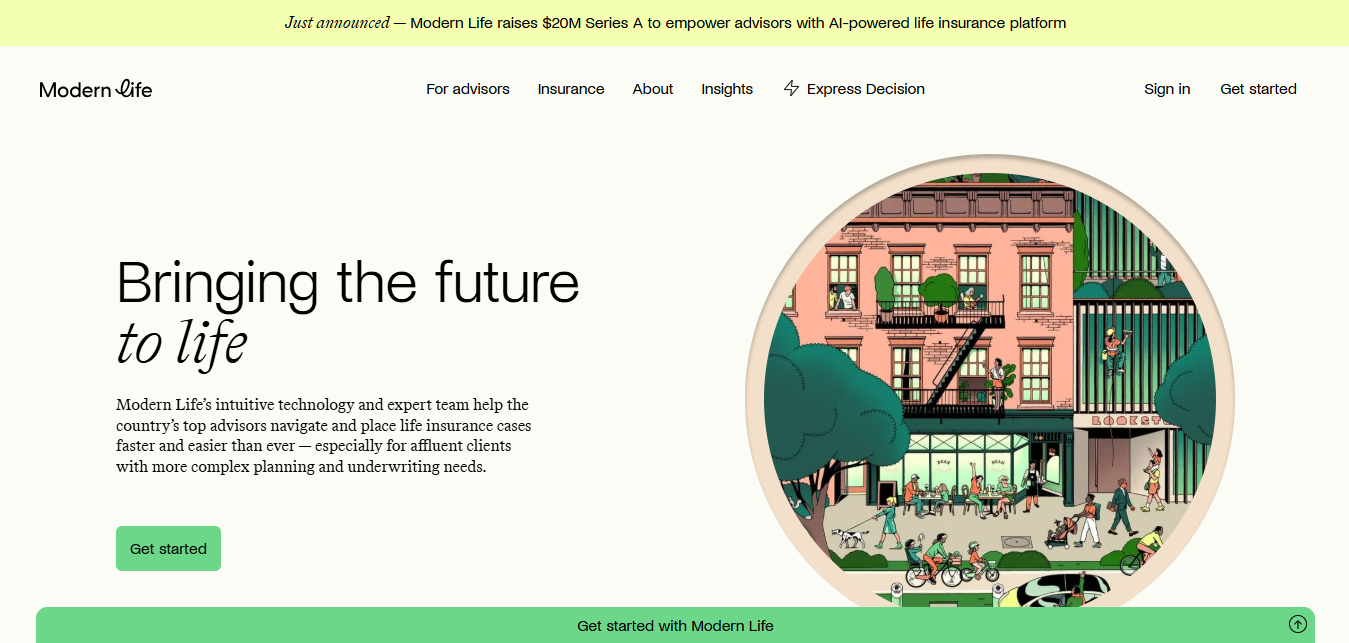
Latest Rounds
November 30, 2025 by
Modern Life Raises $20M to Redefine Life Insurance Infrastructure With AI-Powered Tools for Advisors
Modern Life has secured $20 million in new funding, marking another major milestone in its mission to rebuild the fractured,...
Read More
Latest Rounds
November 30, 2025 by
Ampersand Raises $80M to Power the Next Era of High-Performance Materials
Ampersand has secured a major $80 million Series A round, positioning itself as one of the most significant deep-tech companies...
Read More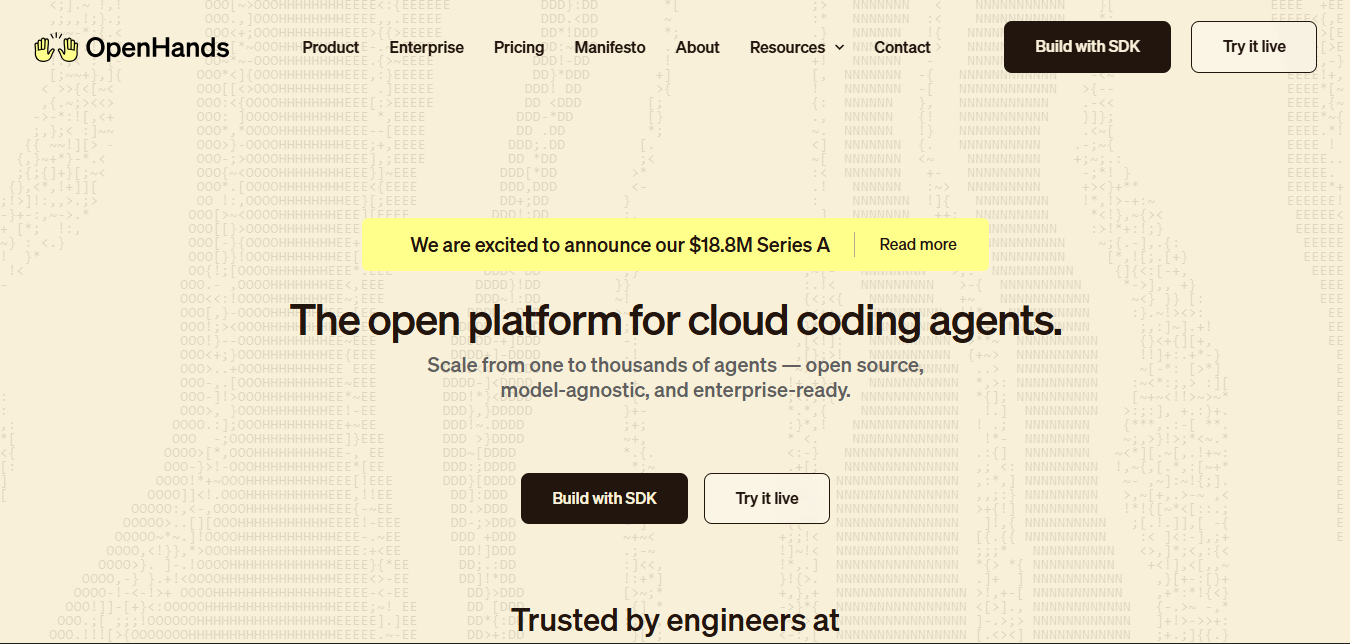
Latest Rounds
November 30, 2025 by
OpenHands Raises $18.8M to Bring Autonomous Coding Agents Into the Enterprise
OpenHands has raised $18.8 million in Series A funding, marking one of the strongest signals yet that autonomous software development...
Read More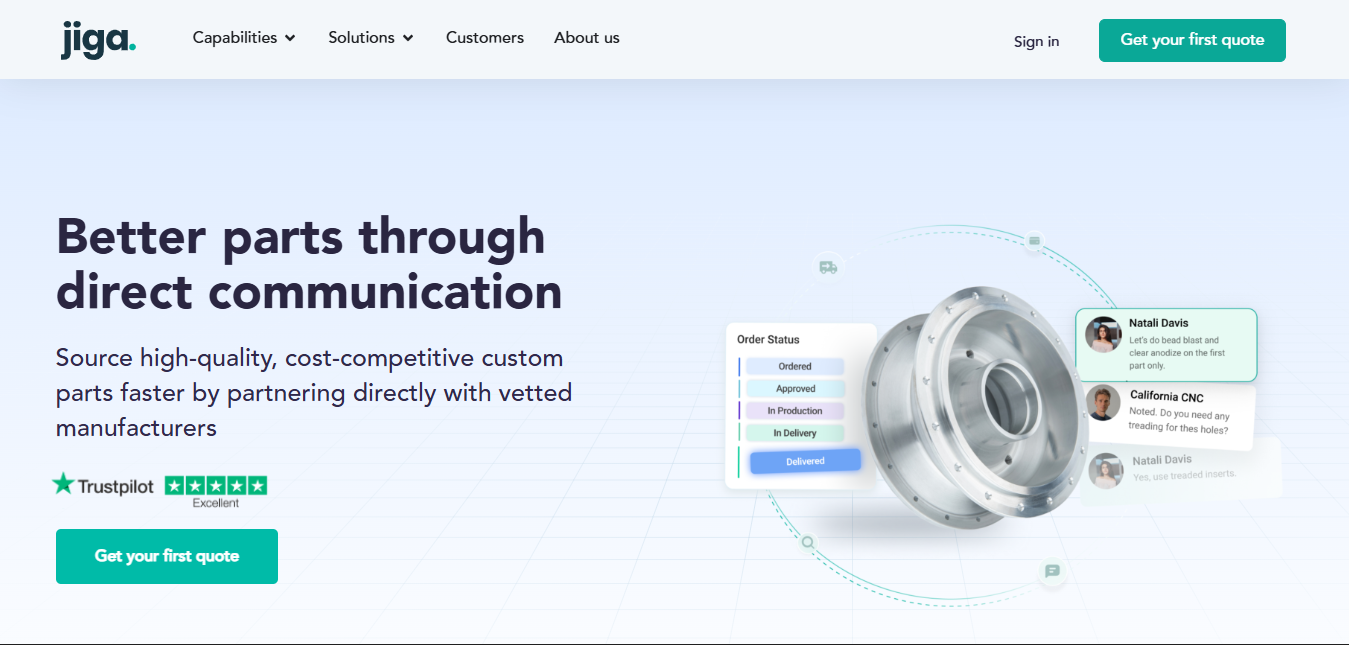
Latest Rounds
November 30, 2025 by
Jiga Raises $12M to Transform Manufacturing Procurement Into a Modern, Data-Driven Workflow
Jiga has raised $12 million in Seed funding, marking a major shift in the way hardware and manufacturing teams collaborate...
Read More