
DealMaker Raises $20M to Reinvent Digital Capital Raising and Investor Workflows
November 23, 2025
by
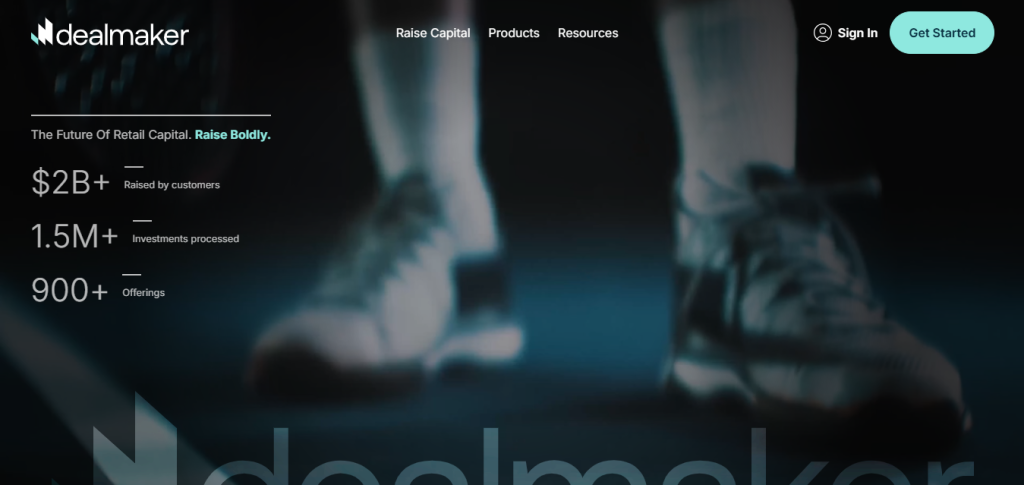
DealMaker has secured $20,000,000 in new funding to expand its digital capital-raising platform, led by Information Venture Partners with participation from CIBC Innovation Banking. Under the leadership of Rebecca Kacaba, DealMaker aims to streamline how companies raise, onboard, and manage investors at scale - eliminating costly intermediaries and transforming fundraising from a fragmented manual process into a seamless software-driven flow.
Instead of treating fundraising as a one-time legal hurdle, DealMaker positions it as a productized digital commerce experience. That shift matters at a time when companies are increasingly raising capital from multiple sources simultaneously: institutional funds, retail investors, international backers, and regulated crowdfunding channels.
The Market Is Ready for Infrastructure, Not Tools
Private capital markets are expanding faster than public markets, with global private assets projected to reach $30 trillion by 2030. Meanwhile, online capital formation - including crowdfunding and direct-to-investor raises - is expected to exceed $40 billion by 2032, growing at roughly 16% CAGR.
While capital is scaling, operations are lagging:
- Compliance costs have risen 20–35% since 2020
- Over 70% of private issuers still use manual investor workflows
- Average investor onboarding still takes 10–30 days depending on jurisdiction
- Retail and non-traditional investors are expected to represent over 25% of private inflows by 2030
The demand is shifting from legal paperwork to infrastructure that handles capital at scale.
DealMaker’s Product Approach
DealMaker rethinks raises as conversion funnels. Instead of fragmented tools handling signatures, KYC, payments, and legal documents separately, the platform unifies these elements so that investors onboard, sign, verify, and fund transactions within a single digital flow.
This matters most for companies planning multiple raises across different markets or investor types - an increasingly common pattern in climate tech, consumer brands, and fintech, where companies raise both institutionally and directly from their communities.
The Strategic Edge: Capital Ops as a Growth System
A growing number of companies now raise capital the same way they acquire customers - through targeted campaigns, audience segmentation, and optimized digital funnels. When fundraising becomes a repeatable system, each subsequent raise becomes faster, cheaper, and more predictable.
Instead of thinking, “How do we comply?” founders start asking, “How do we optimize?”
This shift creates compounding benefits:
- Faster deployment of capital accelerates hiring, product cycles, and go-to-market
- Conversion-optimized onboarding reduces investor drop-off, especially across retail channels
- Standardized workflows reduce dependency on law firms and bespoke consulting
The more raises a company does, the more efficiency compounds - similar to how companies with strong data pipelines scale faster than those with siloed analytics. Companies that centralize capital infrastructure early create long-term defensibility because their cost-per-dollar-raised decreases with volume, while competitors face increasing friction as deal sizes grow.
This is where many founders miscalculate. Capital is not just money - it is time, execution speed, and operational leverage. A company with faster deployment cycles can out-ship, out-hire, and out-scale a competitor with the same funding but slower execution.
Why DealMaker’s Timing Matters
The convergence of three macro forces amplifies the opportunity:
- Capital is decentralizing - retail and micro-investors are now a mainstream funding source.
- Regulatory modernization is accelerating - more countries support digital securities and cross-border onboarding.
- Raising multiple rounds per year is becoming normal - especially for asset-heavy and community-backed companies.
This environment favors platforms that eliminate operational bottlenecks.
The winners in private market software will not just digitize forms - they will automate onboarding, compliance validation, payment orchestration, document execution, and ongoing investor relations, all inside one system. Platforms controlling those layers become sticky not because of features, but because they house the entire capital history of a company.
What’s Next for DealMaker
With new funding, the company plans to:
- Expand compliance coverage across international jurisdictions
- Improve automation for KYC, AML, and accredited investor verification
- Serve larger enterprise-grade raises and global investor campaigns
- Strengthen infrastructure for repeat multi-raise issuers
Rather than functioning as a platform companies use occasionally, DealMaker is evolving into a long-term capital partner - software that quietly powers every phase of the capital lifecycle.
Related Articles

Latest Rounds
November 30, 2025 by 
EcoG Raises $18.57M to Accelerate the Operating System for the Global EV Charging Economy
EcoG has raised $18,573,280 in new funding, led by GET Fund with participation from Extantia Capital and Bayern Kapital. Founded...
Read More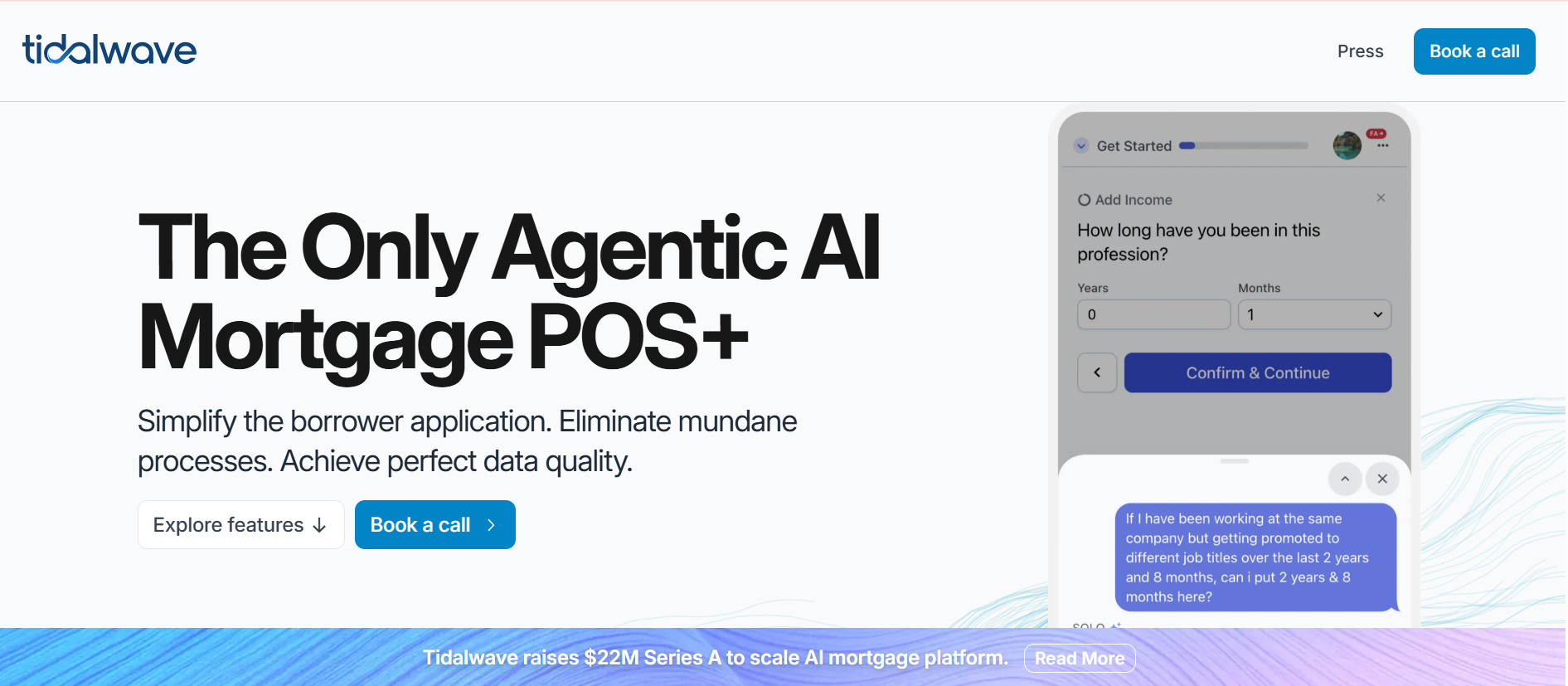
Latest Rounds
November 30, 2025 by
Tidalwave Raises $22M Series A to Build the Infrastructure Layer Modern Homebuilders Need for AI-Driven Operations
Tidalwave has raised $22,000,000 in their Series A, led by Permanent Capital with participation from D.R. Horton, Inc. and Engineering...
Read More
Latest Rounds
November 30, 2025 by
WellBeam Raises $10M to Unify Care Coordination Across the Entire Patient Journey
WellBeam Inc. has secured $10 million in Series A funding, marking a major step toward fixing one of the most...
Read More
Latest Rounds
November 30, 2025 by
Automat Raises $15.5M to Redefine Industrial Automation With Adaptive AI
Automat has secured $15.5 million in Series A funding, a major milestone for a company working to radically transform how...
Read More
Latest Rounds
November 30, 2025 by
Poly Raises $8M to Reinvent How People Organize, Search, and Think With Their Files
Poly (US) has closed an $8,000,000 Seed round, marking a decisive moment for one of the most ambitious productivity startups...
Read More
Latest Rounds
November 30, 2025 by
Voio Raises $8.6M to Power AI That Understands Patients as Individuals, Not Data Points
Voio has secured $8.6 million in Seed funding, marking a major step forward for a company working to bring true...
Read More
Latest Rounds
November 30, 2025 by
Ember Raises $4.3M to Reinvent AI-Driven Revenue Cycle Management for Healthcare Providers
Ember has secured $4.3 million in Seed funding, marking a major step toward transforming one of healthcare’s most expensive, error-prone,...
Read More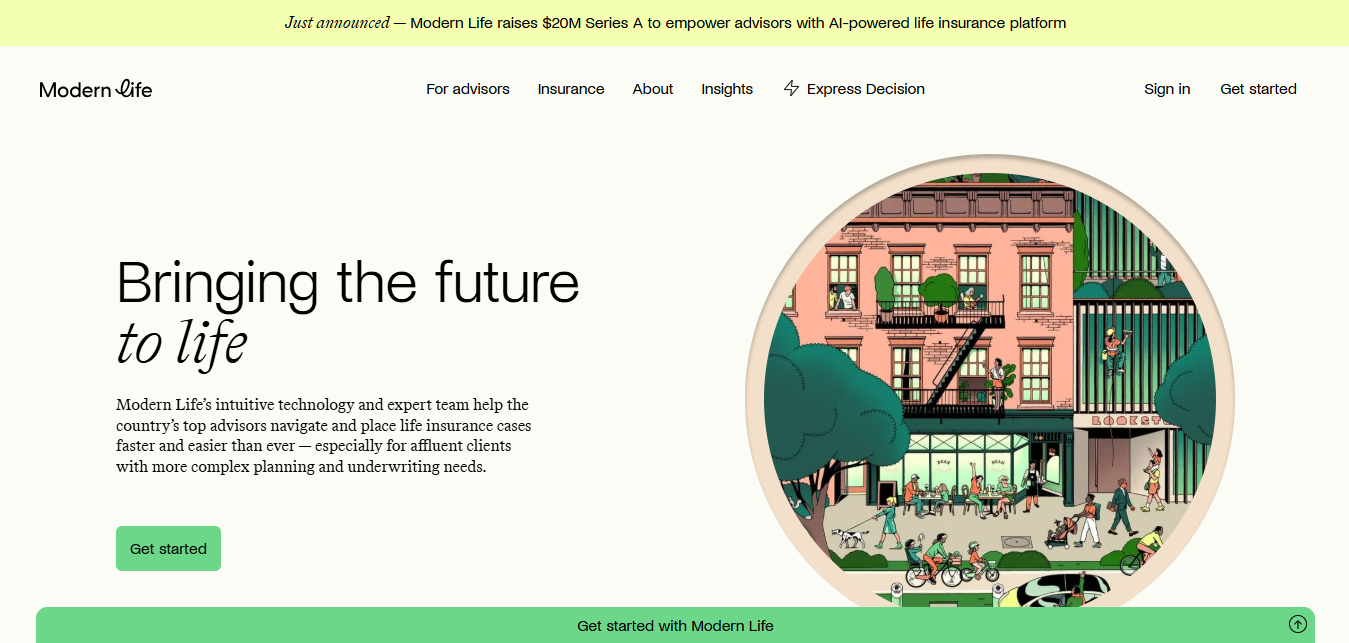
Latest Rounds
November 30, 2025 by
Modern Life Raises $20M to Redefine Life Insurance Infrastructure With AI-Powered Tools for Advisors
Modern Life has secured $20 million in new funding, marking another major milestone in its mission to rebuild the fractured,...
Read More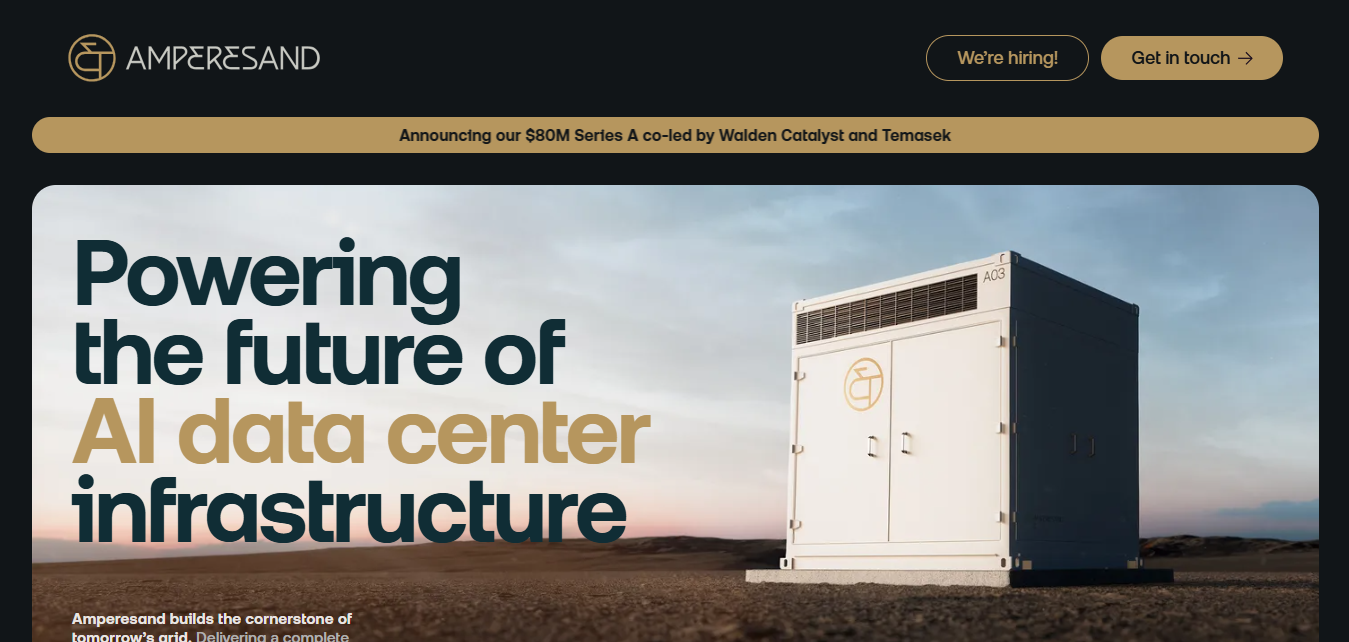
Latest Rounds
November 30, 2025 by
Ampersand Raises $80M to Power the Next Era of High-Performance Materials
Ampersand has secured a major $80 million Series A round, positioning itself as one of the most significant deep-tech companies...
Read More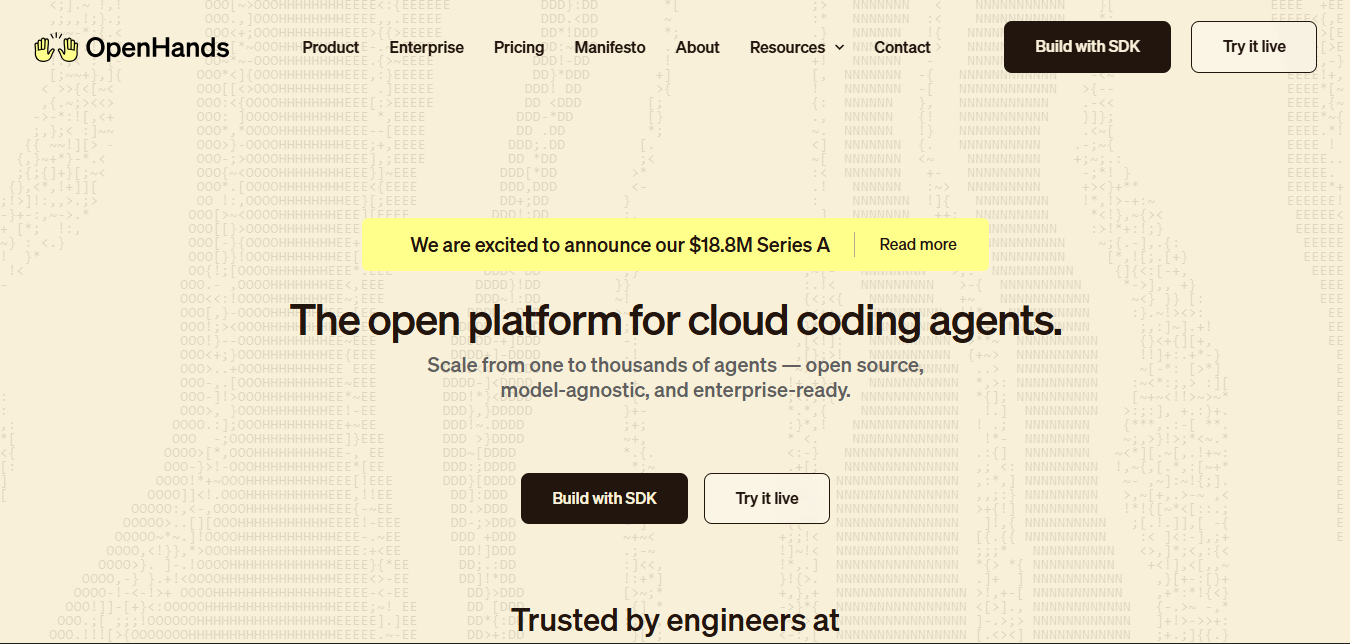
Latest Rounds
November 30, 2025 by
OpenHands Raises $18.8M to Bring Autonomous Coding Agents Into the Enterprise
OpenHands has raised $18.8 million in Series A funding, marking one of the strongest signals yet that autonomous software development...
Read More