
Fastbreak AI Raises $40 Million Series A to Power the Next Generation of Sports Operations
November 23, 2025
by
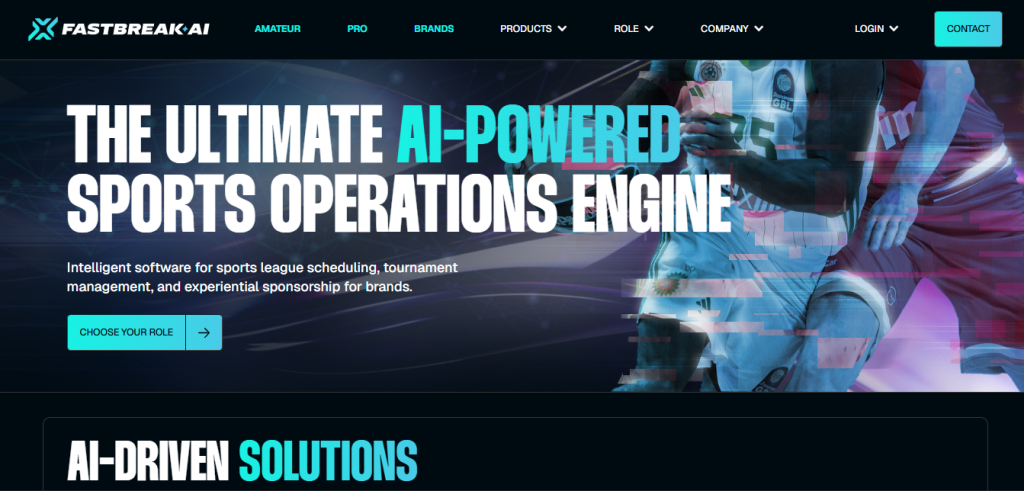
Fastbreak AI, a platform transforming how sports organizations manage scheduling, player logistics, commercial operations, and fan engagement, has raised $40,000,000 in a Series A funding round led by Greycroft with participation from GTMfund and other strategic investors.
Founded by John Stewart, Fastbreak AI positions itself as the operating system for sports leagues, providing automated decision-making tools that help teams optimize operations, monetize performance, and scale global growth without expanding staff.
While the sports industry has invested heavily in athlete performance analytics over the last decade, the business and operational side of sports has remained largely manual. Fastbreak AI aims to close that gap by giving leagues a centralized engine for scheduling, ticketing, travel planning, roster management, compliance, sponsor strategy, and multi-market coordination.
Why Sports Organizations Need a New Operating System
Modern sports have outgrown spreadsheets. Teams operate like multinational corporations - balancing media rights, player logistics, partnerships, international tours, and data-driven fan experiences.
But the tools haven't kept up. Surveys across major leagues show:
- Over 78% of sports operations teams still rely on spreadsheets or legacy platforms
- Global sports revenue is expected to reach $623 billion by 2027, driven by streaming and international expansion
- Ticketing, scheduling, and operations inefficiencies cost teams an estimated 5–10% of revenue annually
- AI adoption in sports operations is projected to grow at over 30% CAGR through 2030
Fastbreak AI sits at the intersection of that demand - moving from manual operations to automated, scenario-driven decision systems.
What Fastbreak AI Actually Does
The platform provides operations teams with tools that:
- Automate game and travel scheduling
- Simulate revenue outcomes based on timing, locations, and matchups
- Analyze player availability and fatigue alongside commercial constraints
- Manage arena operations, transportation, and support staff planning
- Create centralized workflows across league offices, teams, and vendors
Instead of manually coordinating dozens of stakeholders across time zones, Fastbreak AI generates optimized outcomes based on operational, financial, and competitive data.
This reframes sports operations from reactive planning to proactive forecasting.
The Real Moat: Controlling the League-Wide Coordination Layer
What makes Fastbreak AI powerful isn’t just data - it’s that it controls the coordination point of entire sports ecosystems.
Most tech in sports focuses on performance metrics, player stats, or fan-facing engagement. Those are valuable, but they’re also fragmented - one team can adopt a tool, another can ignore it, and nothing breaks.
Operational infrastructure is different.
If a league adopts a unified scheduling engine, every franchise, logistics vendor, broadcaster, and international partner aligns through that system. It becomes indispensable.
This is where the deeper strategic lesson emerges:
In industries where value is created through synchronization, the startup that controls workflow rules becomes the governing layer - not just a vendor.
Fastbreak AI isn’t just improving operations; it’s embedding itself where decisions are made. Once a league runs on its models, switching platforms isn’t just inconvenient - it rewrites the entire season’s logistics.
Why the Market Needs This Now
Sports aren't just local entertainment anymore - they’re global commerce engines.
Recent trends driving demand include:
- International games increasing nearly 200% in the past decade
- Global streaming deals reshaping scheduling priorities
- Athlete wellness requirements pressuring travel and rest planning
- Sponsorship revenue shifting to data-based campaign optimization
- Expansion of women's sports driving parallel league growth worldwide
Organizations now operate across borders, audiences, languages, and regulatory environments. That forces leagues to think like multinational enterprises, not seasonal entertainment brands.
Legacy systems cannot handle that complexity. AI-driven orchestration can.
Strategic Investors Signal Commercial Traction
The investor roster speaks to the commercial potential:
- Greycroft brings scale-focused SaaS backing across enterprise markets
- GTMfund offers distribution power and entry into revenue-focused organizations
- Additional investors suggest alignment with media, logistics, and sports-tech operators
What matters most is that sports organizations don’t adopt software impulsively - they adopt long-term infrastructure that will become table stakes across leagues if proven effective.
This round signals that Fastbreak AI has already demonstrated real-world demand beyond a concept stage.
What’s Next for Fastbreak AI
With this $40M Series A, Fastbreak AI plans to:
- Expand to additional major leagues and international sports bodies
- Build deeper schedule simulation tools tied to financial outcomes
- Integrate athlete wellness, travel partners, and global venue systems
- Increase support for women’s leagues, collegiate networks, and expansion markets
- Develop cross-league AI models for universal scheduling logic
The long-term vision is not just to support games - it’s to power a world where sports seasons are modeled, optimized, and executed using real-time intelligence.
Why It Matters
The future of sports is driven by operational precision, not just athletic performance. Leagues that scale internationally will need systems that coordinate athletes, logistics, fans, sponsors, and broadcast stakeholders in one synchronized model.
Fastbreak AI is building that layer.
If they succeed, they won’t just support the sports industry - they may define how it runs.
Related Articles

Latest Rounds
November 30, 2025 by 
EcoG Raises $18.57M to Accelerate the Operating System for the Global EV Charging Economy
EcoG has raised $18,573,280 in new funding, led by GET Fund with participation from Extantia Capital and Bayern Kapital. Founded...
Read More
Latest Rounds
November 30, 2025 by
Tidalwave Raises $22M Series A to Build the Infrastructure Layer Modern Homebuilders Need for AI-Driven Operations
Tidalwave has raised $22,000,000 in their Series A, led by Permanent Capital with participation from D.R. Horton, Inc. and Engineering...
Read More
Latest Rounds
November 30, 2025 by
WellBeam Raises $10M to Unify Care Coordination Across the Entire Patient Journey
WellBeam Inc. has secured $10 million in Series A funding, marking a major step toward fixing one of the most...
Read More
Latest Rounds
November 30, 2025 by
Automat Raises $15.5M to Redefine Industrial Automation With Adaptive AI
Automat has secured $15.5 million in Series A funding, a major milestone for a company working to radically transform how...
Read More
Latest Rounds
November 30, 2025 by
Poly Raises $8M to Reinvent How People Organize, Search, and Think With Their Files
Poly (US) has closed an $8,000,000 Seed round, marking a decisive moment for one of the most ambitious productivity startups...
Read More
Latest Rounds
November 30, 2025 by
Voio Raises $8.6M to Power AI That Understands Patients as Individuals, Not Data Points
Voio has secured $8.6 million in Seed funding, marking a major step forward for a company working to bring true...
Read More
Latest Rounds
November 30, 2025 by
Ember Raises $4.3M to Reinvent AI-Driven Revenue Cycle Management for Healthcare Providers
Ember has secured $4.3 million in Seed funding, marking a major step toward transforming one of healthcare’s most expensive, error-prone,...
Read More
Latest Rounds
November 30, 2025 by
Modern Life Raises $20M to Redefine Life Insurance Infrastructure With AI-Powered Tools for Advisors
Modern Life has secured $20 million in new funding, marking another major milestone in its mission to rebuild the fractured,...
Read More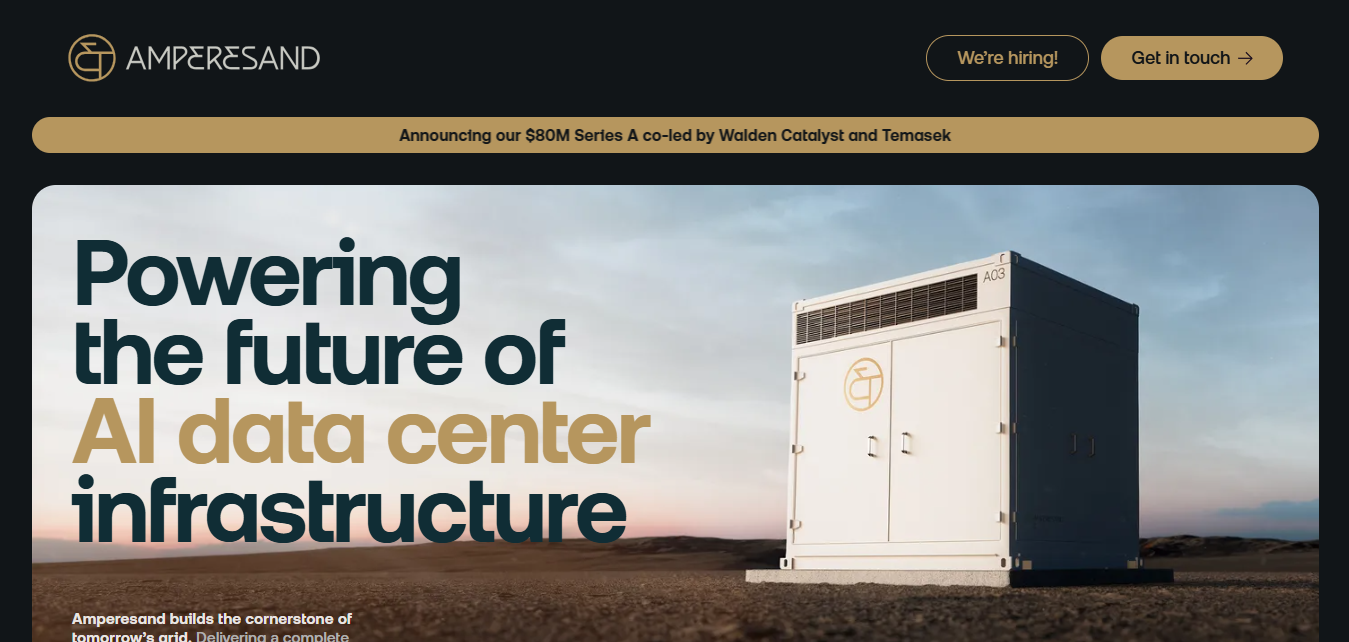
Latest Rounds
November 30, 2025 by
Ampersand Raises $80M to Power the Next Era of High-Performance Materials
Ampersand has secured a major $80 million Series A round, positioning itself as one of the most significant deep-tech companies...
Read More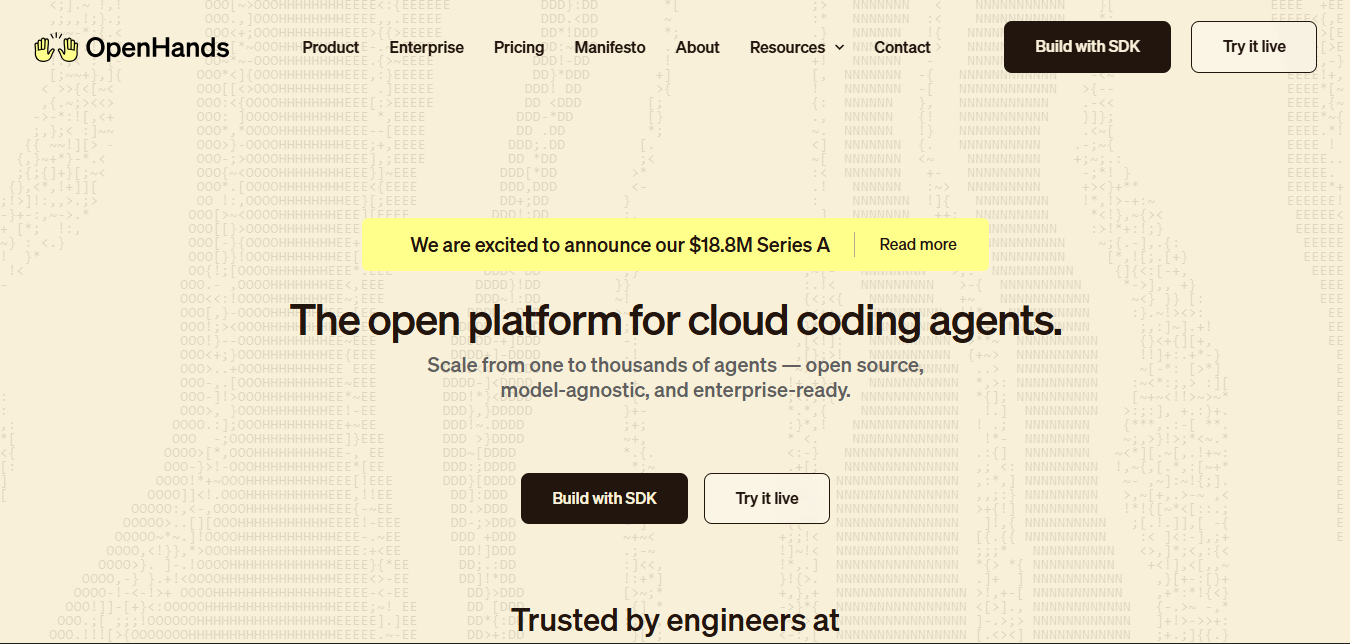
Latest Rounds
November 30, 2025 by
OpenHands Raises $18.8M to Bring Autonomous Coding Agents Into the Enterprise
OpenHands has raised $18.8 million in Series A funding, marking one of the strongest signals yet that autonomous software development...
Read More