
IDL Raises $7M to Launch the First Global Professional Dance League
November 23, 2025
by

IDL (International Dance League) has raised $7,000,000 in seed funding to launch what it calls the world’s first professional dance league - an ambitious move to formalize dance as a global spectator sport with structured teams, competitive seasons, and athlete compensation. The round includes backing from Elysian Park Ventures, KB Partners, Apex Group, Nick Tran, Tammy Henault, and Taryn Crouthers, underscoring confidence in dance as an emerging sports and entertainment category.
Founded by Connor Lim, IDL is building not just a competition series, but an entire ecosystem: athlete recruitment pipelines, global events, media distribution rights, merchandising, and partnerships with music and entertainment brands. Instead of treating dance as episodic competitions or viral performances, IDL is positioning it as a professional league - similar in structure to esports or MMA, where talent, fans, and media converge under one commercial system.
Dance Is Popular. What’s Missing Is Infrastructure.
Despite massive cultural influence, dance has lacked the financial scaffolding that turns talent into full-time careers. Dancers dominate social media, music tours, commercials, and live entertainment - but the economic model has remained fragmented. Income comes from gigs, choreography contracts, sponsorships, and content creation, not consistent salaries or league-driven revenue.
The opportunity becomes clearer through numbers:
- Dance-related content generates billions of views monthly across TikTok, Instagram, and YouTube.
- Live dance competitions have surged globally, but lack centralized broadcast rights or unified leagues.
- The global dance entertainment market is projected to grow at 15%+ CAGR through 2030, driven by digital content monetization.
Yet unlike sports such as basketball or soccer, there is no global governing league that aggregates fandom, athlete development, and commercial rights. Dance has cultural penetration but not economic structure.
IDL’s bet is that demand isn’t the issue - organization is.
The Strategic Shift: Turning Talent Markets Into Revenue Ecosystems
Great creators don’t need more platforms - they need systems that convert influence into recurring income. This is where IDL’s model stands out.
Instead of focusing solely on competitions, the league is built around recurring value loops:
- Teams recruit and train dancers like professional athletes
- Fans follow storylines tied to teams, seasons, and rivalries
- Media rights capture recurring digital and broadcast revenue
- Merch, sponsorships, and licensing monetize fandom beyond events
This structure mirrors the business model of major sports leagues, where the product isn’t just performance - it’s narrative continuity.
The deeper insight: when an industry shifts from talent marketplaces to league ecosystems, power consolidates around the organizing body. The league becomes the default channel through which talent gains visibility, brands activate campaigns, and audiences engage - making the platform strategically indispensable.
Dancers stop being contractors - they become athletes.
Why Now Is the Inflection Point
Several converging trends suggest the timing is right:
- Social platforms have turned dancers into global celebrities without centralized industry support.
- Gen Z ranks dance and performance creators among the most influential online personalities.
- Brands are shifting marketing spend from traditional celebrities to cultural influencers, including dancers.
- Live entertainment spending is rising, with post-pandemic attendance rebounding faster than expected.
Meanwhile, youth participation in dance continues to climb, especially in urban and competitive styles. Unlike traditional sports, dance draws participants across age groups and genders, broadening its commercial ceiling.
If esports proved that competition can be engineered into entirely new sports categories, dance has a much larger cultural head start.
IDL is building the league format that transforms passion into infrastructure.
What Comes Next for IDL
With $7M in funding, IDL is expected to move quickly on several fronts:
- Launching inaugural competitive seasons across multiple regions
- Building training and scouting pipelines for athlete recruitment
- Securing distribution deals with streaming and media partners
- Formalizing brand partnerships across apparel, music, and entertainment
The long-term goal is not one tournament - it’s a scalable league model spanning continents, similar to UFC, FIFA, or the NBA, but built for cultural performance instead of traditional sport.
If successful, IDL won’t just elevate dance - it will redefine how we consume performance as entertainment.
The league could become the economic engine that turns dancers into full-time professional athletes with global visibility.
Related Articles

Latest Rounds
November 30, 2025 by 
EcoG Raises $18.57M to Accelerate the Operating System for the Global EV Charging Economy
EcoG has raised $18,573,280 in new funding, led by GET Fund with participation from Extantia Capital and Bayern Kapital. Founded...
Read More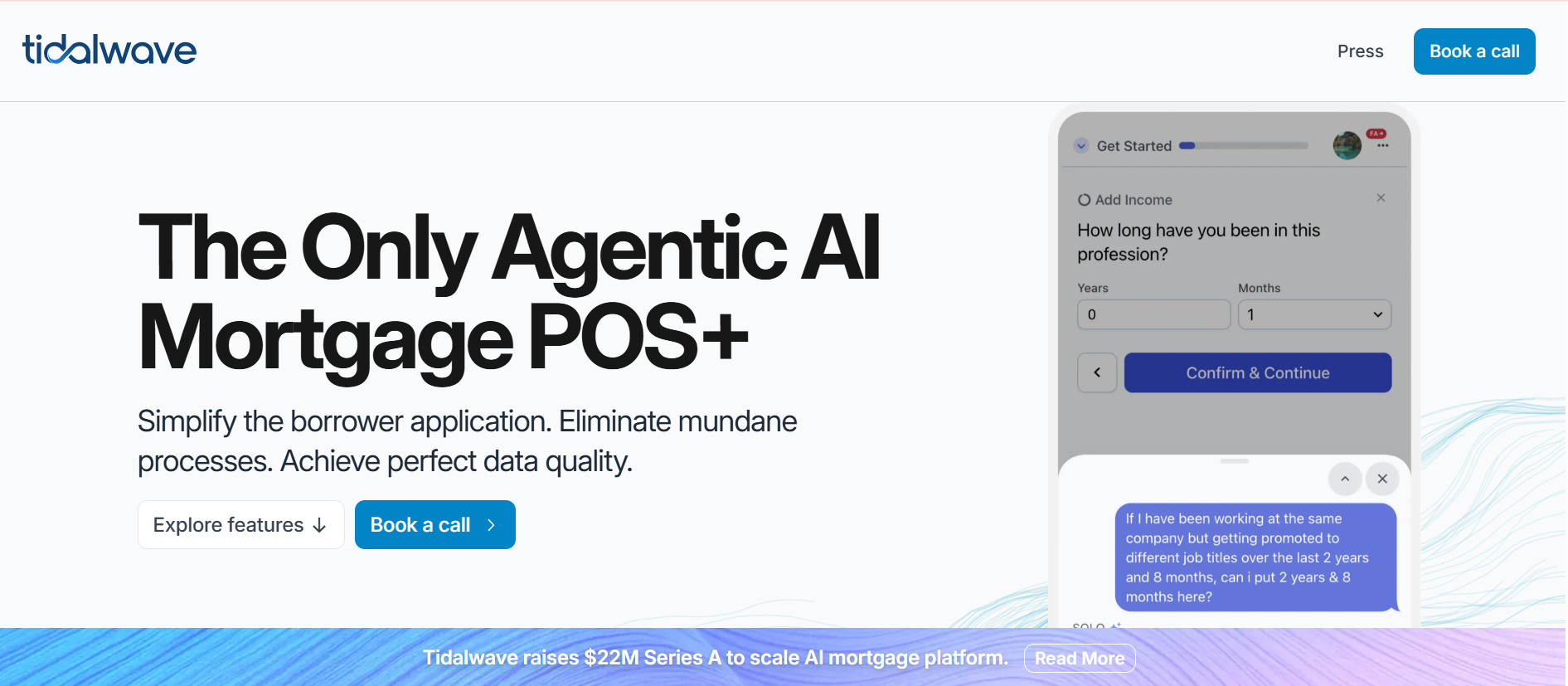
Latest Rounds
November 30, 2025 by
Tidalwave Raises $22M Series A to Build the Infrastructure Layer Modern Homebuilders Need for AI-Driven Operations
Tidalwave has raised $22,000,000 in their Series A, led by Permanent Capital with participation from D.R. Horton, Inc. and Engineering...
Read More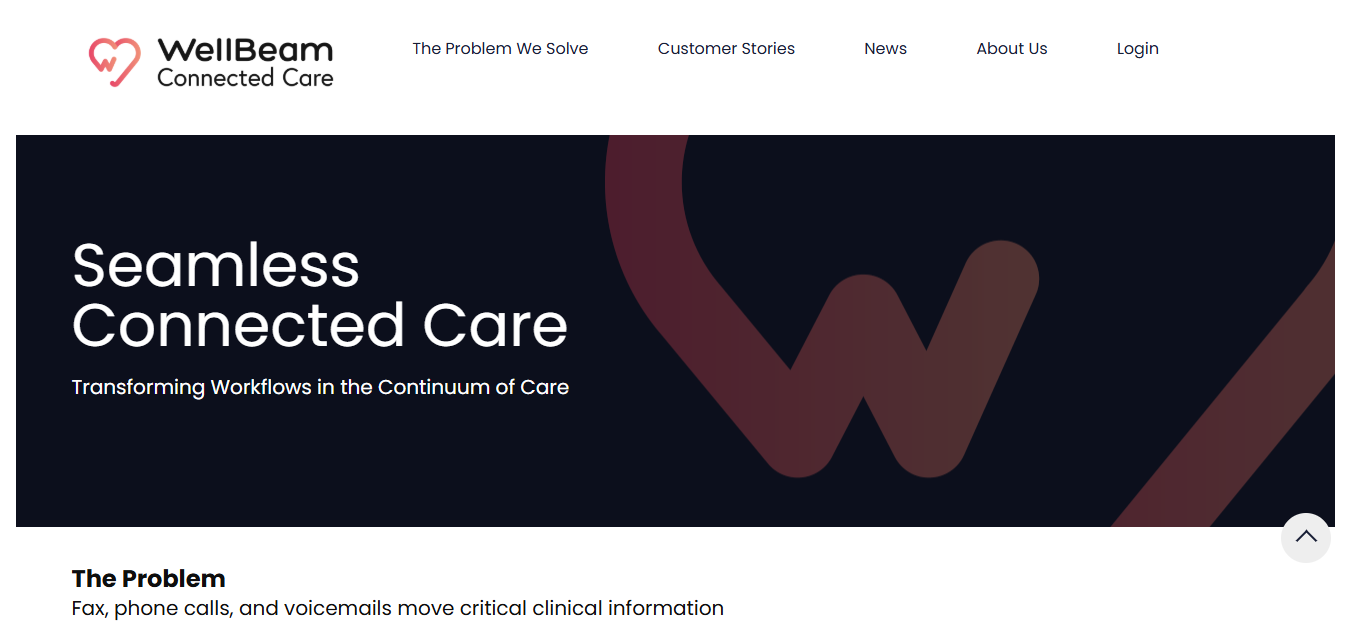
Latest Rounds
November 30, 2025 by
WellBeam Raises $10M to Unify Care Coordination Across the Entire Patient Journey
WellBeam Inc. has secured $10 million in Series A funding, marking a major step toward fixing one of the most...
Read More
Latest Rounds
November 30, 2025 by
Automat Raises $15.5M to Redefine Industrial Automation With Adaptive AI
Automat has secured $15.5 million in Series A funding, a major milestone for a company working to radically transform how...
Read More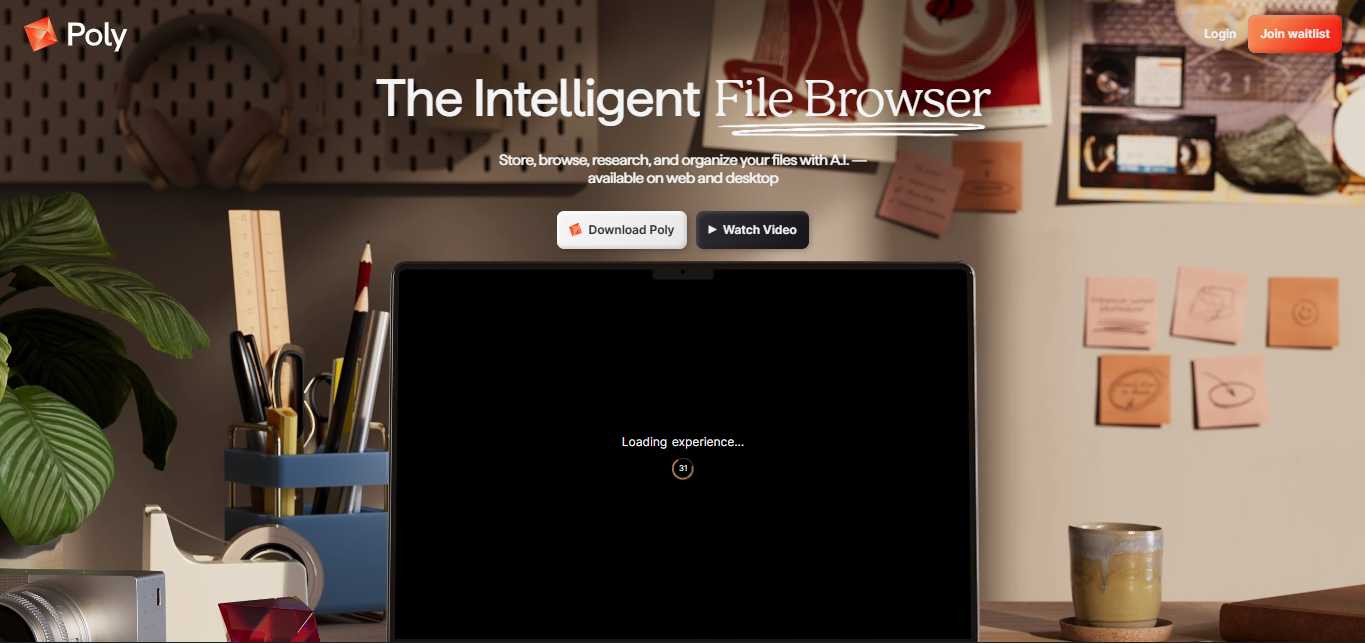
Latest Rounds
November 30, 2025 by
Poly Raises $8M to Reinvent How People Organize, Search, and Think With Their Files
Poly (US) has closed an $8,000,000 Seed round, marking a decisive moment for one of the most ambitious productivity startups...
Read More
Latest Rounds
November 30, 2025 by
Voio Raises $8.6M to Power AI That Understands Patients as Individuals, Not Data Points
Voio has secured $8.6 million in Seed funding, marking a major step forward for a company working to bring true...
Read More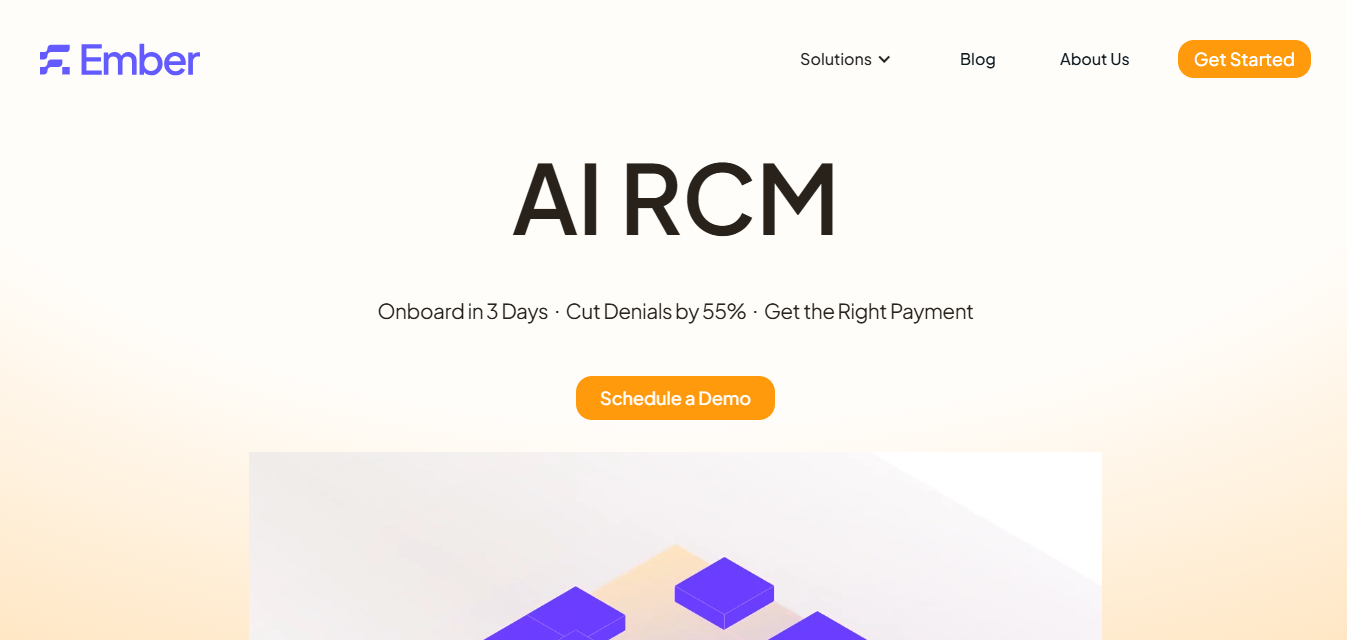
Latest Rounds
November 30, 2025 by
Ember Raises $4.3M to Reinvent AI-Driven Revenue Cycle Management for Healthcare Providers
Ember has secured $4.3 million in Seed funding, marking a major step toward transforming one of healthcare’s most expensive, error-prone,...
Read More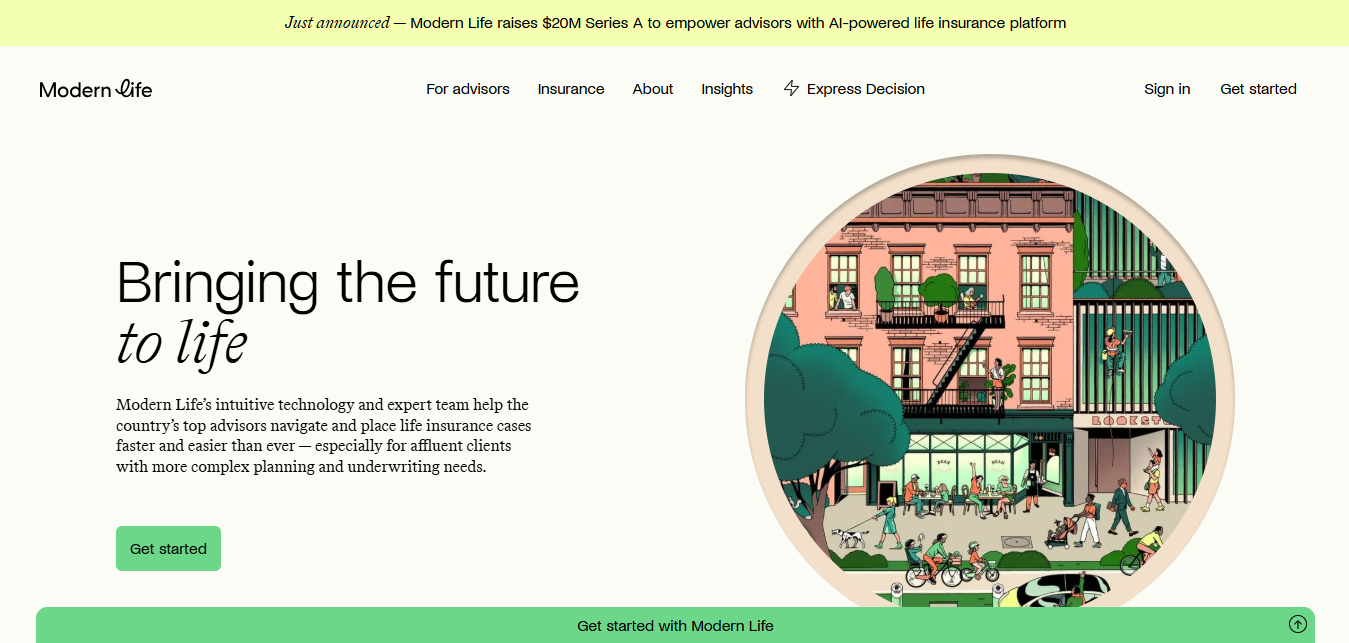
Latest Rounds
November 30, 2025 by
Modern Life Raises $20M to Redefine Life Insurance Infrastructure With AI-Powered Tools for Advisors
Modern Life has secured $20 million in new funding, marking another major milestone in its mission to rebuild the fractured,...
Read More
Latest Rounds
November 30, 2025 by
Ampersand Raises $80M to Power the Next Era of High-Performance Materials
Ampersand has secured a major $80 million Series A round, positioning itself as one of the most significant deep-tech companies...
Read More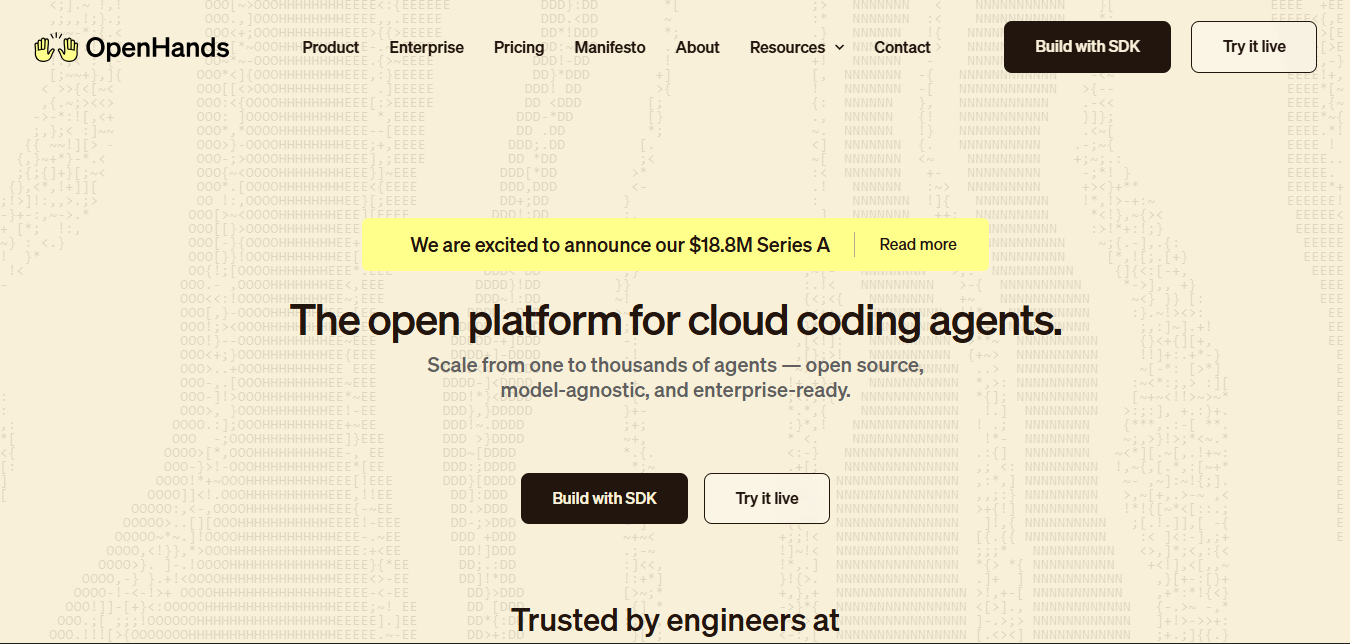
Latest Rounds
November 30, 2025 by
OpenHands Raises $18.8M to Bring Autonomous Coding Agents Into the Enterprise
OpenHands has raised $18.8 million in Series A funding, marking one of the strongest signals yet that autonomous software development...
Read More