
Quality Means Business Raises $2M to Build a More Equitable Pipeline of Certified Diverse Suppliers
November 30, 2025
by
Quality Means Business (QMB) has raised $2 million in Seed funding, marking a major milestone in the effort to modernize supplier diversity and unlock equitable opportunities for historically marginalized entrepreneurs. The round was backed by The Boston Foundation’s Business Equity Investment Fund, CEI Ventures, and other mission-aligned investors who recognize the urgent need for stronger infrastructure supporting diverse-owned businesses entering corporate and public-sector procurement pipelines.
Founded by Michel E. Moravia, MBA, MSE, QMB is building more than a marketplace - it is constructing a scalable, data-driven ecosystem that improves quality standards, certification readiness, and operational maturity for businesses owned by people of color. Instead of treating supplier diversity as a quota exercise, the company approaches it as an economic engine that strengthens local communities, increases procurement reliability, and improves enterprise-level supply chain resilience.
This funding round accelerates QMB’s effort to create a standardized framework for supplier development - something the market has needed for decades.
The Supplier Diversity Gap Is Real - and Costly
Large enterprises spend trillions annually on procurement. Yet less than 10% of corporate supply chain spending goes to minority-owned businesses, despite these companies representing more than 30% of small businesses in the U.S. The gap is even wider in high-value procurement categories like manufacturing, technology, and government contracting, where diverse suppliers often lack access, certification support, or operational systems aligned with enterprise standards.
Research shows:
- Diverse-owned businesses are 40% less likely to receive corporate contracts of $1M or more.
- Only 1 in 5 minority-owned SMEs hold certifications needed to bid on major contracts.
- Limited credit access contributes to a 30% higher early-stage failure rate among these businesses.
- Enterprises report a 20–50% shortage of qualified diverse suppliers in competitive categories.
The issue is not lack of talent or ambition - it is lack of structured support, standardized quality processes, and readiness pathways. QMB is designed to close this gap.
How Quality Means Business Works
QMB provides an integrated platform that prepares diverse-owned businesses to meet stringent enterprise procurement standards. Instead of navigating certification, documentation, quality reviews, and operational assessment alone, businesses use QMB to:
- Complete readiness assessments
- Strengthen operational processes
- Meet industry-specific compliance metrics
- Gain access to certification support
- Connect with enterprise procurement teams
By providing both the tools and the coaching infrastructure, QMB positions businesses to enter - and stay in - high-value supply chain pipelines.
This approach moves beyond matching suppliers with opportunities. It ensures suppliers are equipped for long-term contract performance, renewal, and expansion.
The Strategic Insight: The Bottleneck Isn’t Diversity - It’s Capability Infrastructure
Here’s the deeper insight that founders and investors should note:
Supplier diversity doesn’t scale through matchmaking - it scales through building repeatable systems that raise capacity and quality.
Many programs focus on connecting minority-owned businesses with buyers. That’s important, but insufficient. The real bottleneck is an absence of infrastructure that helps suppliers:
- Achieve certification
- Maintain performance standards
- Build operational maturity
- Access growth capital
- Meet the compliance expectations of large enterprises
This means the real leverage in supplier diversity is not at the point of transaction - it is at the point of transformation.
Once a business is operating at a higher level of readiness, opportunity becomes a pipeline, not a one-time contract. QMB is building this infrastructure layer, acting as both a development engine and a quality assurance bridge between suppliers and enterprise buyers.
This is why investors see QMB as a scalable, defensible model - not a platform relying on one-off matches, but a system that upgrades supplier capability and thus increases market-wide supply chain adaptability.
A Market Ripe for Modernization
Procurement itself is transforming. Analysts estimate that the supplier diversity and inclusive procurement market will exceed $50 billion in managed spend influence within five years, driven by ESG mandates, public-sector accountability, and increased expectations from consumers and shareholders.
At the same time, enterprises face new pressure:
- 60% of Fortune 500 companies have public supplier diversity commitments
- Government agencies are raising minimum thresholds for minority-owned vendor participation
- Resilient supply chain mandates are encouraging diversification of supplier pools
- Consumers are more supportive of companies that reinvest in marginalized communities
This creates a major demand-supply imbalance: enterprises want more diverse suppliers, but the pipeline is thin because readiness systems are fragmented or nonexistent.
QMB is entering the market exactly where the need is most acute.
What Comes Next for Quality Means Business
With its new Seed funding, QMB is positioned to scale in three major directions:
- Expanded coaching and certification readiness programs, enabling thousands more suppliers to achieve enterprise-level compliance.
- Technology development to automate readiness scoring, documentation workflows, and procurement-system integration.
- Deeper enterprise partnerships with organizations seeking reliable, high-quality diverse suppliers who are fully prepared for long-term contract execution.
As more enterprises seek dependable diverse partners, and as public agencies increase procurement accountability, QMB can become the default infrastructure layer for minority-owned supplier development - something the industry has long lacked.
Quality Means Business is not simply trying to help diverse-owned companies access opportunities. It is building the systems that make equitable participation an expectation, not an exception.
Related Articles

Latest Rounds
November 30, 2025 by 
EcoG Raises $18.57M to Accelerate the Operating System for the Global EV Charging Economy
EcoG has raised $18,573,280 in new funding, led by GET Fund with participation from Extantia Capital and Bayern Kapital. Founded...
Read More
Latest Rounds
November 30, 2025 by
Tidalwave Raises $22M Series A to Build the Infrastructure Layer Modern Homebuilders Need for AI-Driven Operations
Tidalwave has raised $22,000,000 in their Series A, led by Permanent Capital with participation from D.R. Horton, Inc. and Engineering...
Read More
Latest Rounds
November 30, 2025 by
WellBeam Raises $10M to Unify Care Coordination Across the Entire Patient Journey
WellBeam Inc. has secured $10 million in Series A funding, marking a major step toward fixing one of the most...
Read More
Latest Rounds
November 30, 2025 by
Automat Raises $15.5M to Redefine Industrial Automation With Adaptive AI
Automat has secured $15.5 million in Series A funding, a major milestone for a company working to radically transform how...
Read More
Latest Rounds
November 30, 2025 by
Poly Raises $8M to Reinvent How People Organize, Search, and Think With Their Files
Poly (US) has closed an $8,000,000 Seed round, marking a decisive moment for one of the most ambitious productivity startups...
Read More
Latest Rounds
November 30, 2025 by
Voio Raises $8.6M to Power AI That Understands Patients as Individuals, Not Data Points
Voio has secured $8.6 million in Seed funding, marking a major step forward for a company working to bring true...
Read More
Latest Rounds
November 30, 2025 by
Ember Raises $4.3M to Reinvent AI-Driven Revenue Cycle Management for Healthcare Providers
Ember has secured $4.3 million in Seed funding, marking a major step toward transforming one of healthcare’s most expensive, error-prone,...
Read More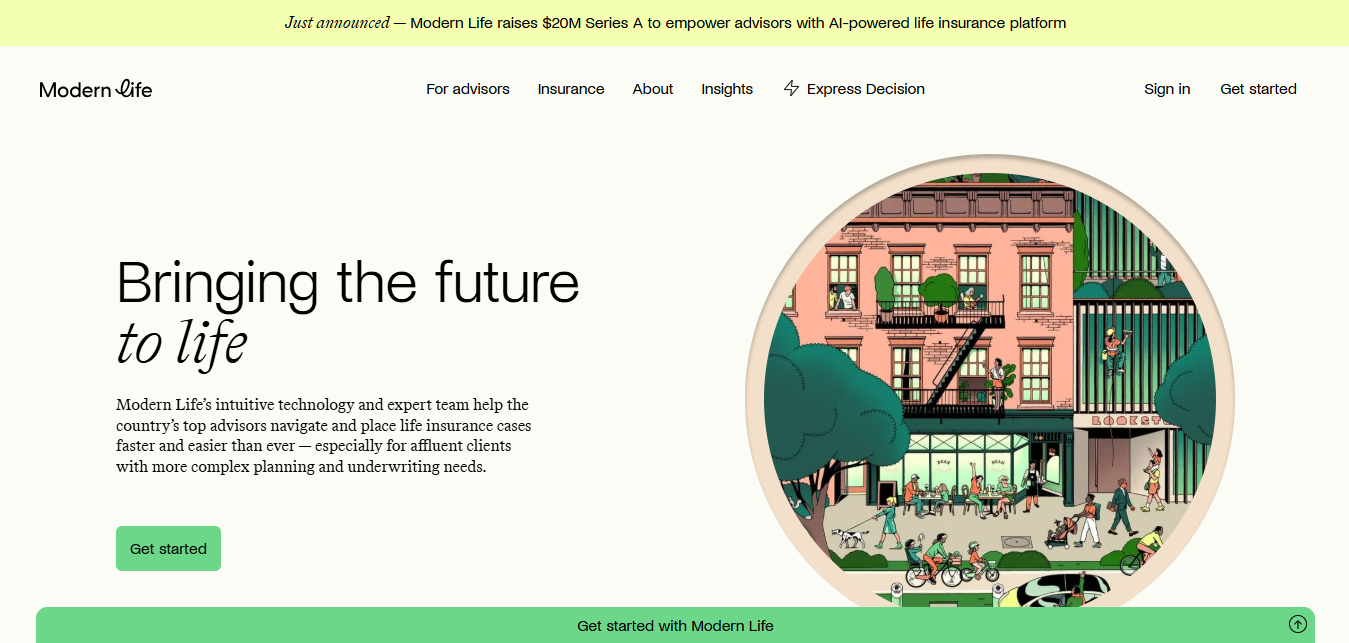
Latest Rounds
November 30, 2025 by
Modern Life Raises $20M to Redefine Life Insurance Infrastructure With AI-Powered Tools for Advisors
Modern Life has secured $20 million in new funding, marking another major milestone in its mission to rebuild the fractured,...
Read More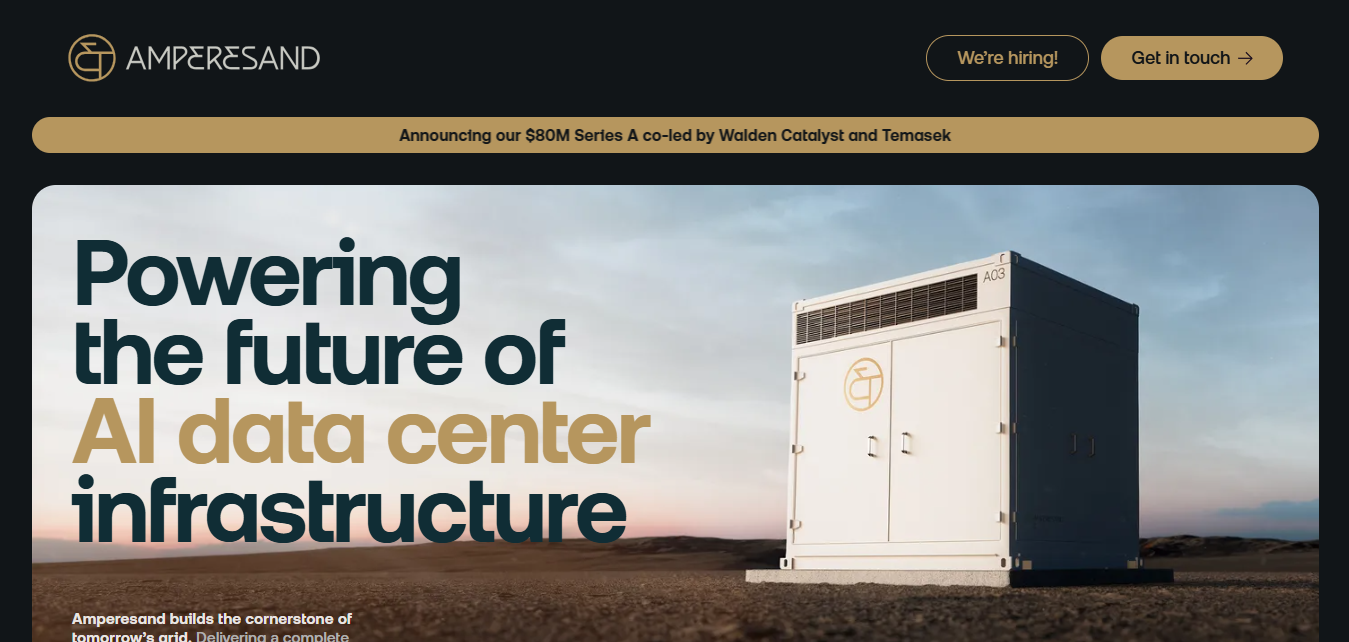
Latest Rounds
November 30, 2025 by
Ampersand Raises $80M to Power the Next Era of High-Performance Materials
Ampersand has secured a major $80 million Series A round, positioning itself as one of the most significant deep-tech companies...
Read More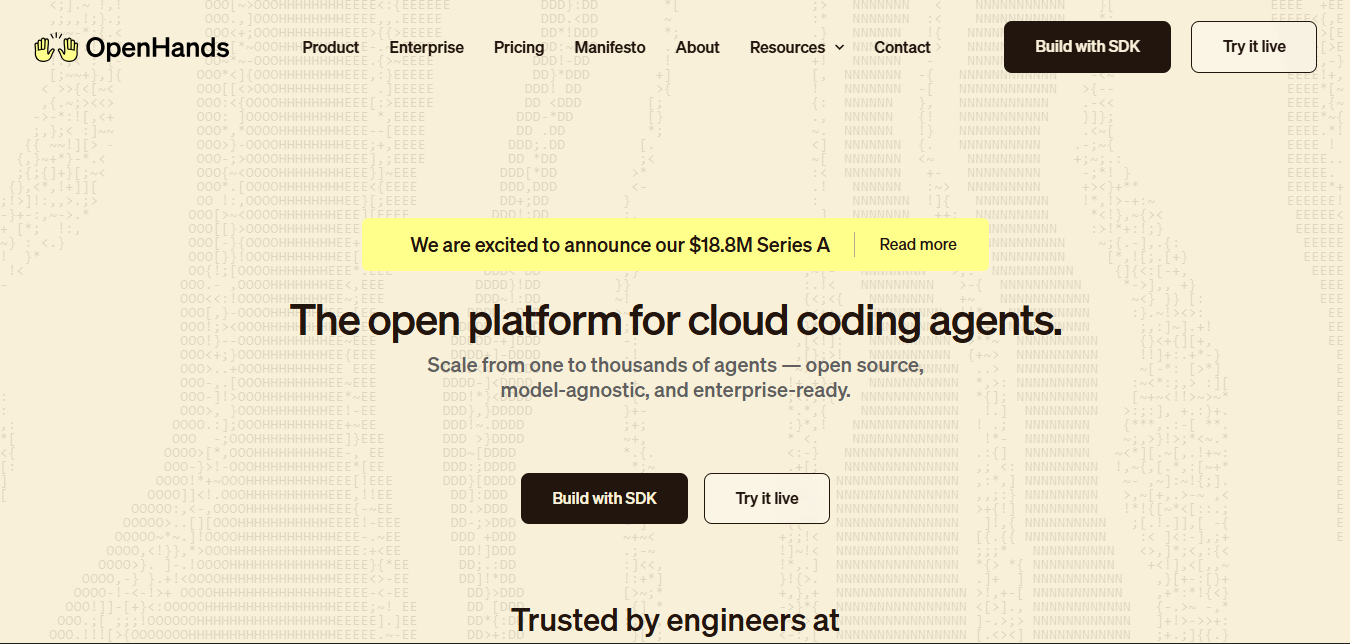
Latest Rounds
November 30, 2025 by
OpenHands Raises $18.8M to Bring Autonomous Coding Agents Into the Enterprise
OpenHands has raised $18.8 million in Series A funding, marking one of the strongest signals yet that autonomous software development...
Read More