
REBEL Raises $25M to Reinvent Consumer Wellness Through Clean, Science-Backed Supplementation
November 28, 2025
by
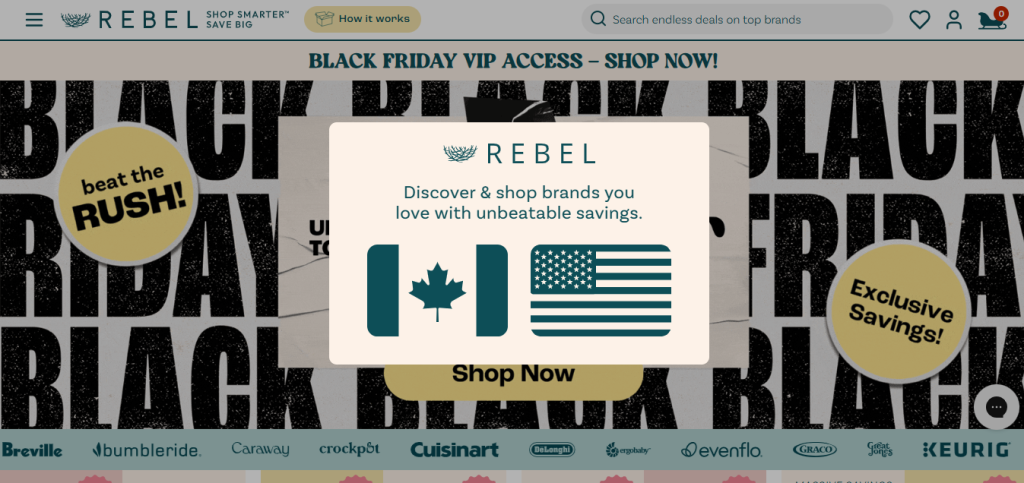
REBEL has secured $25 million in Series B funding, marking a major leap in the consumer health and lifestyle space. Led by MarcyPen Capital Partners, the round fuels REBEL’s mission to redefine modern supplementation with products that merge clinical formulation, aesthetic design, and science-driven wellness.
Founded by Emily Hosie, REBEL positions itself at the intersection of beauty, daily ritual, and clinically validated health benefits, targeting a market that has long suffered from generic formulations, opaque labeling, and branding built on trends rather than evidence.
This raise not only strengthens REBEL’s product roadmap but signals a shift in consumer health - a move toward brands that treat wellness like a lifestyle system rather than a supplement aisle purchase.
The Market: A Booming, Distrustful Wellness Economy
The wellness supplement market is massive - and still accelerating. Global demand is projected to surpass $220 billion by 2027, driven by rising lifestyle diseases, aging populations, and a consumer desire for preventative care over reactive treatment.
But the industry comes with a problem: trust.
- Over 65% of consumers say they don’t trust supplement labels fully.
- More than 1 in 3 products tested contain lower active compounds than advertised.
- Nearly 50% of users choose supplements based solely on social marketing instead of clinical backing.
Consumers want health outcomes - not hype. REBEL is betting on a future where wellness brands look more like biotech companies than nutraceutical resellers.
A New Model: Clinical Wellness Meets Luxury Consumer Brand
Rather than selling standalone pills, REBEL is building a portfolio of curated formulas tailored to specific life categories, such as sleep, stress, gut health, and hormonal balance. The approach positions supplements as daily health systems - similar to how skincare evolved from "moisturizers" to "routine-based care."
Their differentiation lies in:
- Clean, research-backed formulations
- Fully transparent ingredients
- Branding designed for modern lifestyle consumers
- A product philosophy rooted in long-term health, not biological quick fixes
REBEL is designed to live on your nightstand, not your medicine cabinet.
The Real Strategic Advantage: Owning the Behavioral Layer of Wellness
Here’s where REBEL becomes more than a supplement brand.
The biggest bottleneck in wellness isn’t product quality - it’s behavioral adherence. Even the best formula fails if people don’t take it consistently. REBEL isn’t just creating products; it’s building rituals. And once rituals form, brands gain a different kind of defensibility:
Habits become identity, and identity-driven brands have near-zero churn compared to transactional ones.
This is the same dynamic fueling growth at companies like Oura, Athletic Greens, and Whoop - customers aren’t buying products; they’re buying a lifestyle operating system.
When a wellness brand controls:
- The product consumed daily
- The narrative that shapes lifestyle behavior
- The system of routines and outcomes
…it no longer competes on retail shelf space. It competes on habit formation.
Why Investors Are Betting Big Now
The Series B comes at a time when wellness is shifting from "nice to have" to structural necessity:
- Chronic health issues affect 60% of adults in the U.S.
- Preventative health spending is rising faster than traditional healthcare
- Gen Z and Millennials spend ~2.5x more on wellness than Baby Boomers
This demographic shift aligns perfectly with REBEL’s brand-first, design-forward approach. Younger consumers don't just take supplements - they share them, stylize them, and use them as part of a self-expression narrative.
What’s Next for REBEL
With fresh funding, expect expansion in:
- Product lines targeting stress, immunity, and hormonal health
- Retail partnerships and premium placement strategies
- International scaling across beauty-forward wellness markets
- Stronger clinical research partnerships for measurable outcomes
REBEL’s long-term play is clear: build a health platform where supplements aren’t just consumed - they shape lifestyle, habit, and identity.
The companies winning the next decade of wellness won’t just sell capsules. They’ll shape cultural defaults around how people take care of themselves.
Related Articles

Latest Rounds
November 30, 2025 by 
EcoG Raises $18.57M to Accelerate the Operating System for the Global EV Charging Economy
EcoG has raised $18,573,280 in new funding, led by GET Fund with participation from Extantia Capital and Bayern Kapital. Founded...
Read More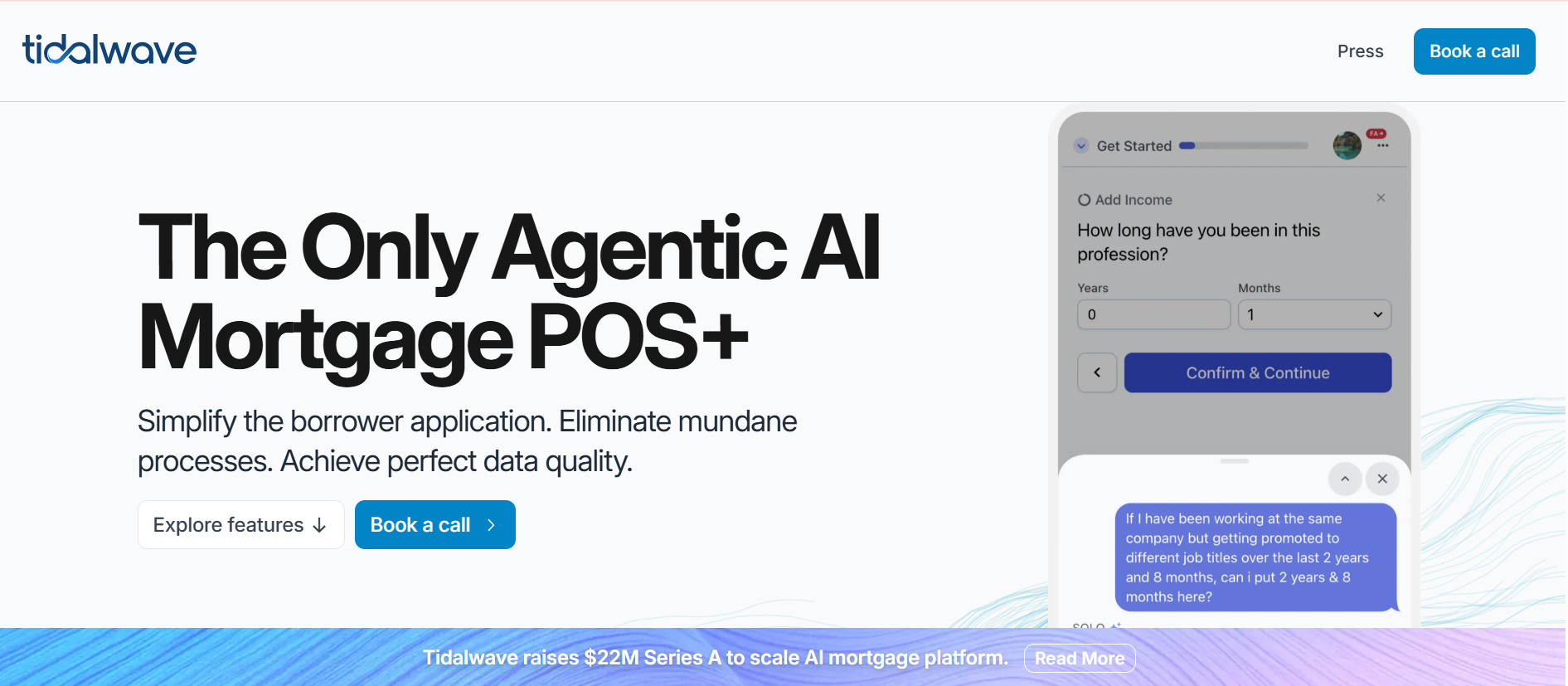
Latest Rounds
November 30, 2025 by
Tidalwave Raises $22M Series A to Build the Infrastructure Layer Modern Homebuilders Need for AI-Driven Operations
Tidalwave has raised $22,000,000 in their Series A, led by Permanent Capital with participation from D.R. Horton, Inc. and Engineering...
Read More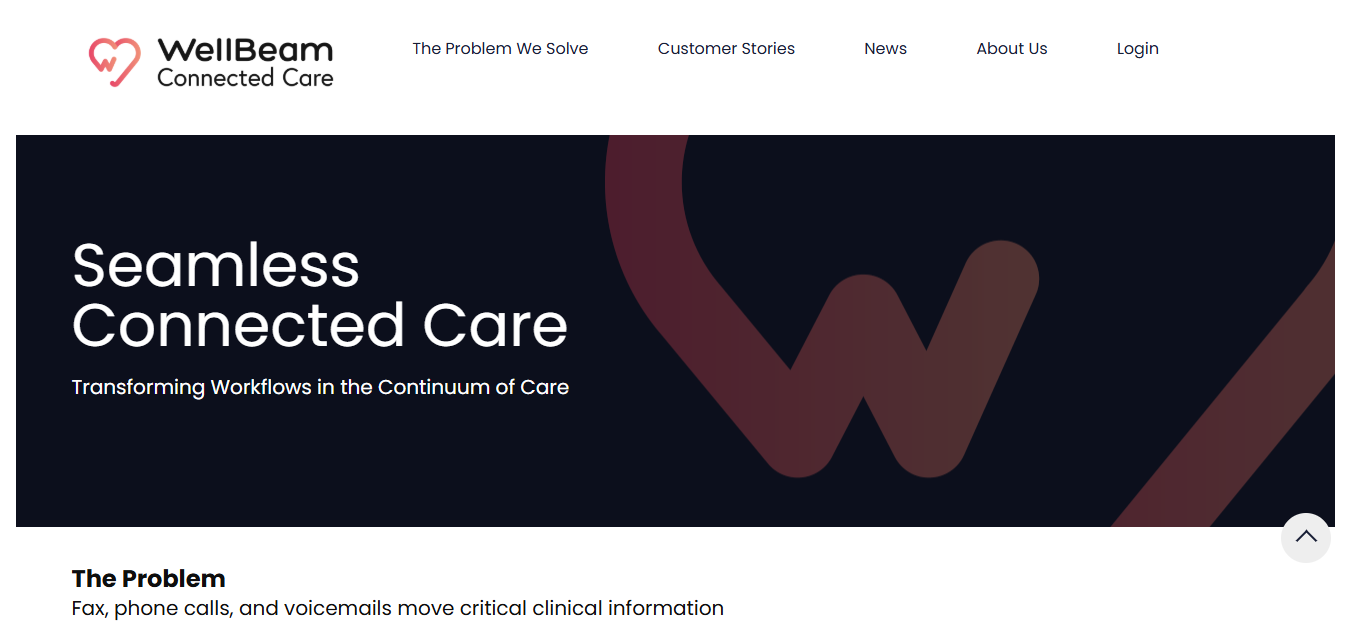
Latest Rounds
November 30, 2025 by
WellBeam Raises $10M to Unify Care Coordination Across the Entire Patient Journey
WellBeam Inc. has secured $10 million in Series A funding, marking a major step toward fixing one of the most...
Read More
Latest Rounds
November 30, 2025 by
Automat Raises $15.5M to Redefine Industrial Automation With Adaptive AI
Automat has secured $15.5 million in Series A funding, a major milestone for a company working to radically transform how...
Read More
Latest Rounds
November 30, 2025 by
Poly Raises $8M to Reinvent How People Organize, Search, and Think With Their Files
Poly (US) has closed an $8,000,000 Seed round, marking a decisive moment for one of the most ambitious productivity startups...
Read More
Latest Rounds
November 30, 2025 by
Voio Raises $8.6M to Power AI That Understands Patients as Individuals, Not Data Points
Voio has secured $8.6 million in Seed funding, marking a major step forward for a company working to bring true...
Read More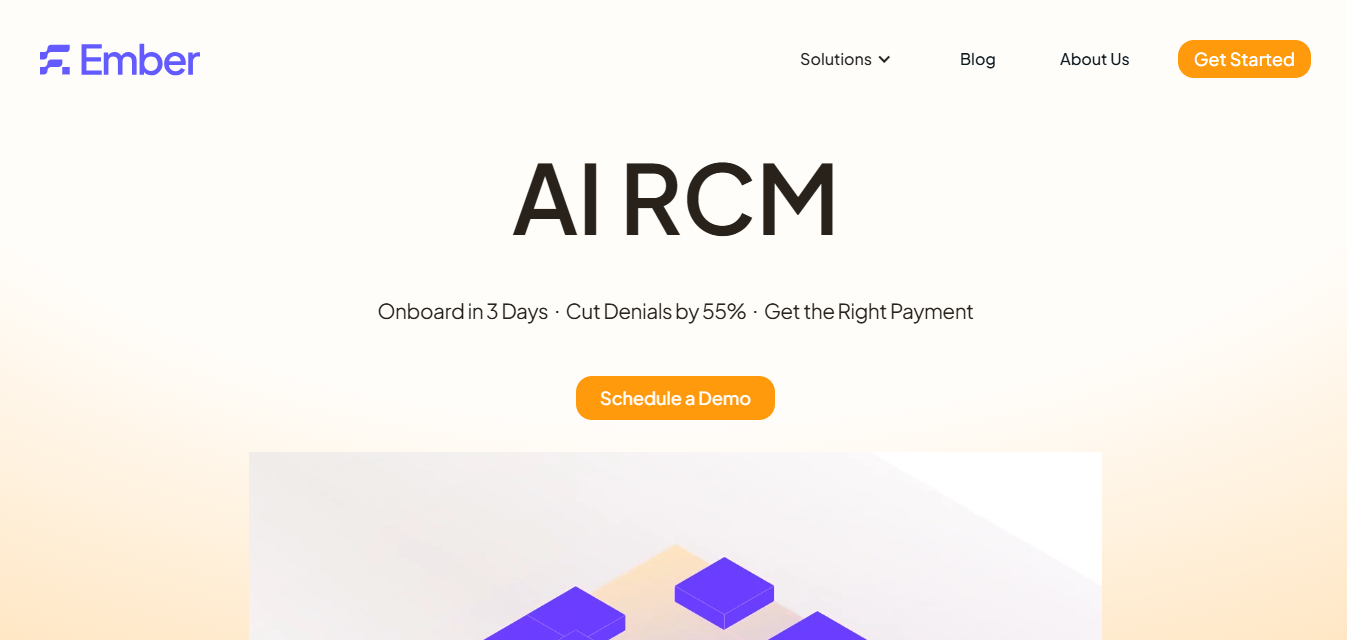
Latest Rounds
November 30, 2025 by
Ember Raises $4.3M to Reinvent AI-Driven Revenue Cycle Management for Healthcare Providers
Ember has secured $4.3 million in Seed funding, marking a major step toward transforming one of healthcare’s most expensive, error-prone,...
Read More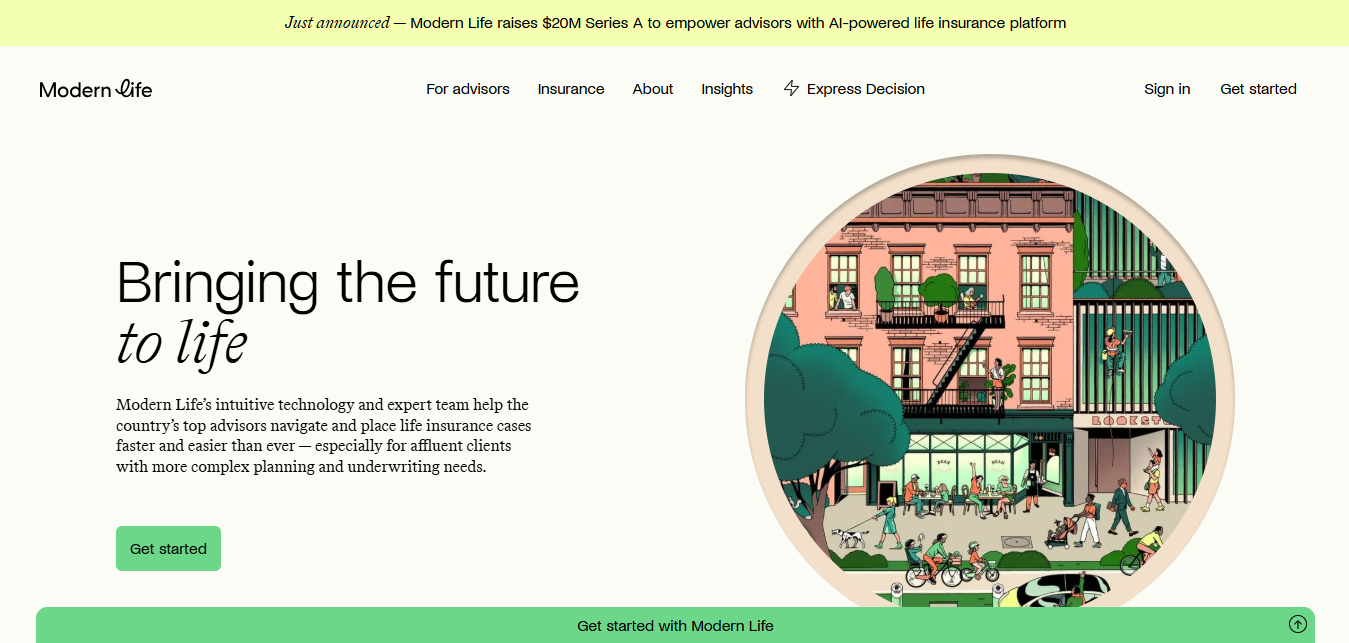
Latest Rounds
November 30, 2025 by
Modern Life Raises $20M to Redefine Life Insurance Infrastructure With AI-Powered Tools for Advisors
Modern Life has secured $20 million in new funding, marking another major milestone in its mission to rebuild the fractured,...
Read More
Latest Rounds
November 30, 2025 by
Ampersand Raises $80M to Power the Next Era of High-Performance Materials
Ampersand has secured a major $80 million Series A round, positioning itself as one of the most significant deep-tech companies...
Read More
Latest Rounds
November 30, 2025 by
OpenHands Raises $18.8M to Bring Autonomous Coding Agents Into the Enterprise
OpenHands has raised $18.8 million in Series A funding, marking one of the strongest signals yet that autonomous software development...
Read More