
SiteLabs Raises $2M to Streamline Diagnostic Testing and Lab Workflows for Healthcare Providers
November 23, 2025
by
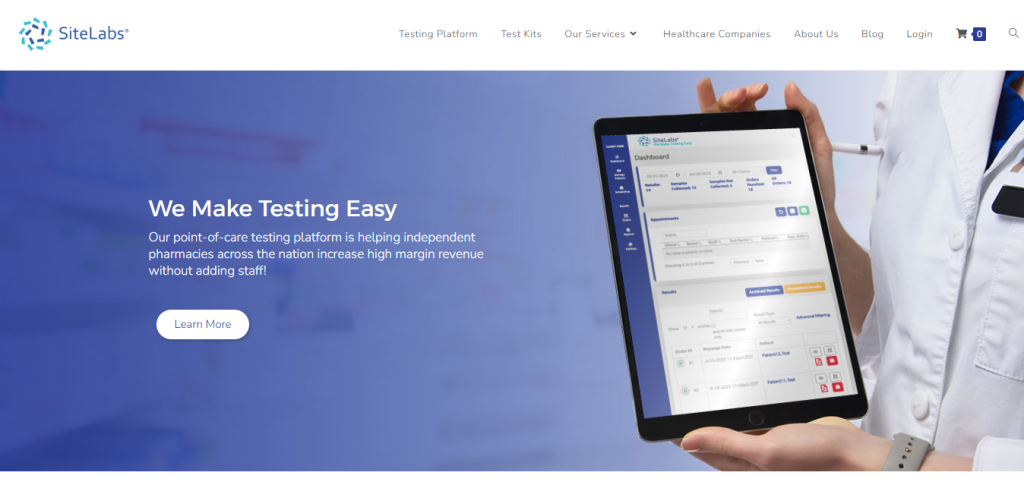
SiteLabs has raised $2,000,000 in Seed funding to expand its platform for simplified diagnostic testing and laboratory coordination. The round was backed by Boomerang Ventures, Labcorp Venture Fund, and SC Launch, supporting CEO Darren Schaupp in scaling a system designed to reduce friction in testing, compliance, patient onboarding, and result delivery across healthcare facilities.
Instead of functioning as a traditional lab services company, SiteLabs acts as the digital connective tissue between clinics, patients, labs, and diagnostic partners - modernizing a workflow that is typically fragmented across spreadsheets, portals, faxed requisitions, and manual scheduling.
The Pain Point: Lab Testing is Operationally Inefficient
Testing is one of the most critical and expensive activity centers in healthcare, yet most providers still operate with legacy systems that create:
- Long patient wait times
- Manual ordering of tests and paperwork
- Errors in requisition entry and sample tracking
- Fragmented portals for providers and patients
- Slow turnaround time caused by process bottlenecks
Even when technology exists, it is rarely integrated into provider workflows.
This is becoming a pressing issue, as diagnostic testing demand is increasing rapidly - global clinical lab testing is projected to grow past $320 billion by 2030, with a CAGR of around 9%, driven by chronic disease management, telehealth expansion, and decentralized care models.
Yet nearly 80% of clinics still rely on at least partially manual processes for lab coordination.
What SiteLabs Provides
SiteLabs centralizes the full testing lifecycle:
- Patient intake and ordering
- Insurance and eligibility verification
- Lab routing and logistics
- Results management and reporting
Its platform is structured to reduce the administrative overhead that consumes clinical staff time and complicates scaling. This matters most for distributed care models like employer clinics, mobile testing providers, virtual care platforms, and urgent care chains.
By reducing human coordination and standardizing workflows, clinics can process more tests with fewer operational bottlenecks - turning diagnostics into a scalable revenue stream rather than an administrative burden.
Why This Model Has Leverage
Healthcare is shifting from centralized hospital systems to retail and decentralized models. Diagnostic volume is increasingly driven by outpatient care, remote testing, corporate wellness programs, and virtual-first clinics. These models rely on speed and integration, not traditional lab scheduling.
When testing workflows are automated, providers unlock advantages like:
- Faster diagnosis speeds, improving care outcomes
- Lower overhead per test processed
- Higher patient throughput and revenue
- Better interoperability across labs and providers
What many startups miss is that healthcare innovation isn't just about new diagnostics - it’s about the infrastructure that delivers them. Platforms that control ordering, routing, and results become embedded in provider operations, making them difficult to replace. Once a clinic's testing volume, insurance data, compliance records, and patient history run through one system, switching costs rise significantly.
This turns diagnostic coordination from a cost center into a competitive moat.
The Market Timing
The need for platforms like SiteLabs is being accelerated by several industry forces:
- Telehealth grew over 3,000% from 2019 to 2021 and continues to support hybrid care models.
- Over 40% of diagnostic spending now occurs outside traditional hospital systems.
- Payers and regulators increasingly require digital tracking for test ordering and results.
- Workplace and retail care adoption is growing at roughly 12–15% annually.
These trends create demand for fully integrated diagnostic logistics, not another standalone ordering tool.
Healthcare is moving toward systems where diagnostics follow the patient across care environments - not where patients chase results through disconnected providers.
What’s Next for SiteLabs
With new capital, SiteLabs is expected to:
- Expand partnerships with diagnostic labs nationwide
- Build deeper integrations with EHR and practice management systems
- Improve routing logic and automation for high-volume testing partners
- Support more use cases across urgent care, telehealth, and employer health programs
Instead of simply digitizing requisitions, SiteLabs is positioning itself as the infrastructure layer powering diagnostic workflows for next-generation healthcare delivery.
Related Articles

Latest Rounds
November 30, 2025 by 
EcoG Raises $18.57M to Accelerate the Operating System for the Global EV Charging Economy
EcoG has raised $18,573,280 in new funding, led by GET Fund with participation from Extantia Capital and Bayern Kapital. Founded...
Read More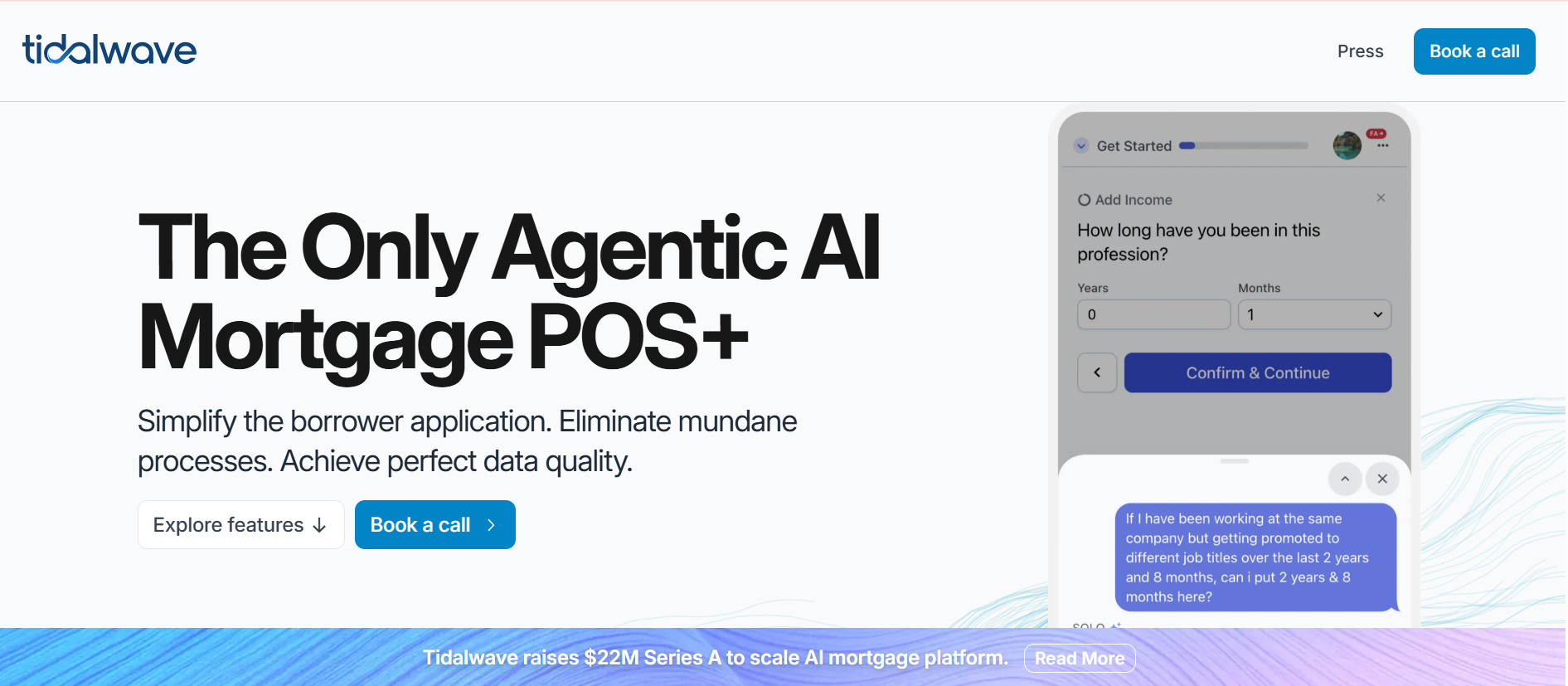
Latest Rounds
November 30, 2025 by
Tidalwave Raises $22M Series A to Build the Infrastructure Layer Modern Homebuilders Need for AI-Driven Operations
Tidalwave has raised $22,000,000 in their Series A, led by Permanent Capital with participation from D.R. Horton, Inc. and Engineering...
Read More
Latest Rounds
November 30, 2025 by
WellBeam Raises $10M to Unify Care Coordination Across the Entire Patient Journey
WellBeam Inc. has secured $10 million in Series A funding, marking a major step toward fixing one of the most...
Read More
Latest Rounds
November 30, 2025 by
Automat Raises $15.5M to Redefine Industrial Automation With Adaptive AI
Automat has secured $15.5 million in Series A funding, a major milestone for a company working to radically transform how...
Read More
Latest Rounds
November 30, 2025 by
Poly Raises $8M to Reinvent How People Organize, Search, and Think With Their Files
Poly (US) has closed an $8,000,000 Seed round, marking a decisive moment for one of the most ambitious productivity startups...
Read More
Latest Rounds
November 30, 2025 by
Voio Raises $8.6M to Power AI That Understands Patients as Individuals, Not Data Points
Voio has secured $8.6 million in Seed funding, marking a major step forward for a company working to bring true...
Read More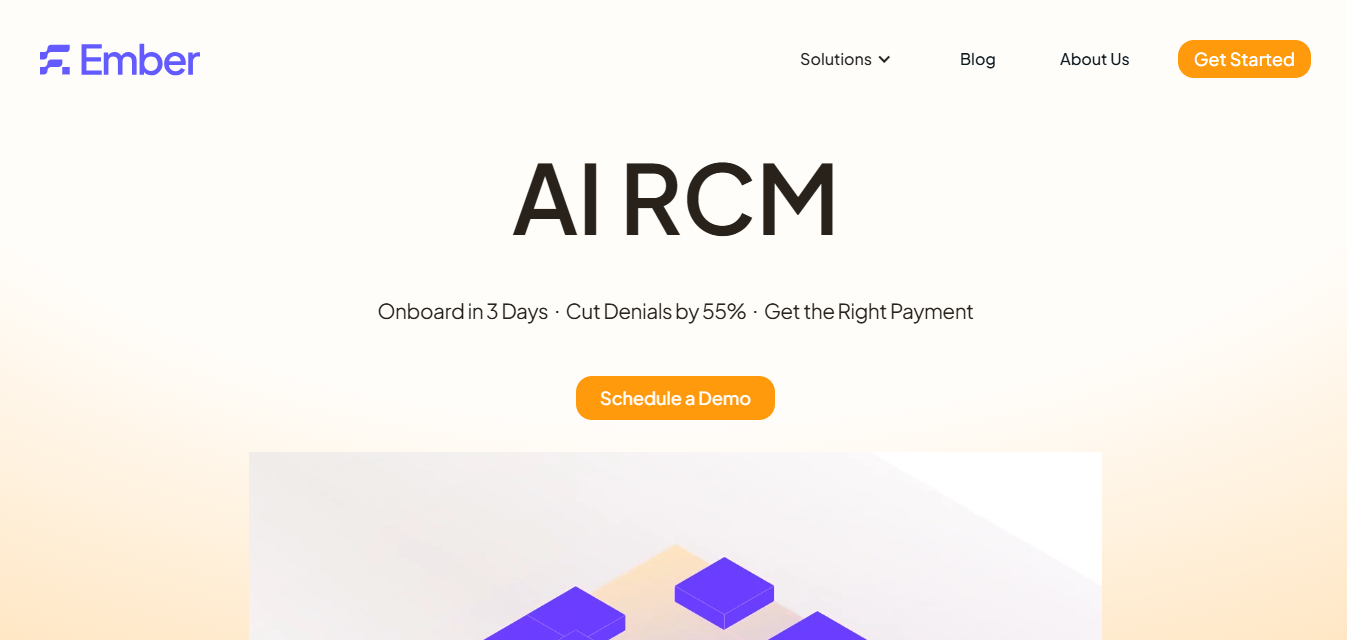
Latest Rounds
November 30, 2025 by
Ember Raises $4.3M to Reinvent AI-Driven Revenue Cycle Management for Healthcare Providers
Ember has secured $4.3 million in Seed funding, marking a major step toward transforming one of healthcare’s most expensive, error-prone,...
Read More
Latest Rounds
November 30, 2025 by
Modern Life Raises $20M to Redefine Life Insurance Infrastructure With AI-Powered Tools for Advisors
Modern Life has secured $20 million in new funding, marking another major milestone in its mission to rebuild the fractured,...
Read More
Latest Rounds
November 30, 2025 by
Ampersand Raises $80M to Power the Next Era of High-Performance Materials
Ampersand has secured a major $80 million Series A round, positioning itself as one of the most significant deep-tech companies...
Read More
Latest Rounds
November 30, 2025 by
OpenHands Raises $18.8M to Bring Autonomous Coding Agents Into the Enterprise
OpenHands has raised $18.8 million in Series A funding, marking one of the strongest signals yet that autonomous software development...
Read More